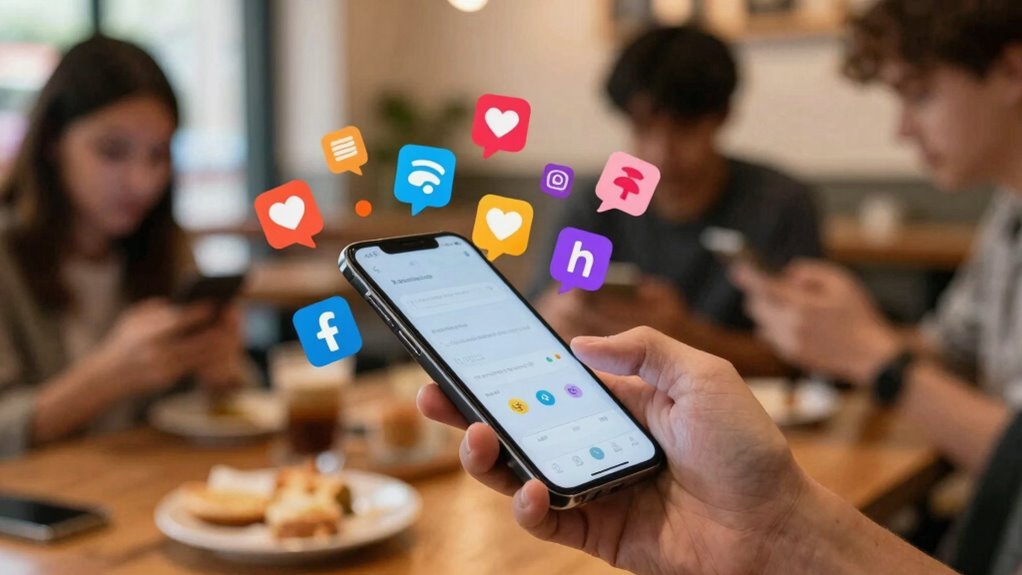

Routine content feels addictive online because algorithms tailor your experience based on past interactions. Each like or comment triggers dopamine, giving you quick bursts of satisfaction. This creates a loop where the more you engage, the more you crave that immediate reward. Plus, engaging tactics, like cliffhangers and emotional appeals, keep you coming back for more. If you’re curious about the strategies behind this cycle, you’ll discover even deeper insights ahead.
Key Takeaways
- The constant influx of tailored content creates a sense of control, reinforcing addictive viewing habits through algorithmic suggestions.
- Each interaction, like a share or comment, releases dopamine, enhancing the desire for further engagement and quick satisfaction.
- Engaging headlines and cliffhangers are strategic tactics that compel viewers to return for more, maintaining viewer interest.
- Emotional appeals in content foster deeper connections, making it harder for users to resist returning to familiar routines.
- Recognizing the content consumption cycle can empower users to enjoy content without feeling overwhelmed or addicted.

In today’s fast-paced digital world, creating routine content online can feel challenging. You’re constantly bombarded with new information, and it’s easy to get lost in endless social media loops. This often leads you to develop binge-watching habits, where you find yourself consuming content for hours without realizing it. It’s not just about the content itself; it’s the way it’s presented that keeps you coming back for more.
The phenomenon of algorithmic reinforcement plays a significant role here. Platforms like YouTube and Instagram tailor their suggestions based on your previous interactions, creating a tailored experience that feels almost irresistible. When you click on one video, the algorithm predicts what you’d like next, drawing you deeper into a rabbit hole of content. This targeted push can make you feel like you’re in control, but it often leads to a cycle of content consumption that’s hard to break. Recognizing content personalization as a key driver can help you understand how these platforms influence your viewing habits.
Algorithmic reinforcement creates a tailored experience that feels irresistible, drawing users deeper into a relentless cycle of content consumption.
As you scroll through your feed, you might notice a sense of content fatigue creeping in. With so much available, it can feel overwhelming, yet the constant influx of new posts keeps your attention. It’s like a double-edged sword; while you’re excited to discover new material, the sheer volume can leave you feeling drained. This is where dopamine feedback comes into play. Each like, share, or comment triggers a small rush of dopamine, reinforcing your desire to engage further. You’re wired to seek that reward, which can make it difficult to resist diving back into the endless stream of content. Dopamine release also explains why short and engaging clips have become so popular—they provide quick hits of satisfaction. Additionally, this cycle is often amplified by the instant gratification that digital content provides, making it even more tempting to keep scrolling.
User engagement is at the heart of this addictive cycle. Creators are aware that they need to keep you hooked, so they often employ strategies that play into your emotions and interests. They craft headlines that spark curiosity or create cliffhangers that compel you to watch more. This constant engagement keeps the cycle going, making you more likely to return for the next installment.
In the end, the addiction to routine content online isn’t just about what you consume; it’s about how it makes you feel. The combination of algorithmic reinforcement, dopamine feedback, and user engagement creates an intricate web that’s tough to escape. Recognizing these patterns and understanding the content consumption cycle can empower you to take control of your habits, allowing you to enjoy content without feeling overwhelmed by it.
blue light blocking glasses for screen time
As an affiliate, we earn on qualifying purchases.
As an affiliate, we earn on qualifying purchases.
Frequently Asked Questions
How Does Routine Content Impact Mental Health?
Routine content can greatly impact your mental health. Engaging with it mindlessly might lead to emotional overload, while mindful consumption can help you regulate your emotions better. By choosing when and how much routine content you consume, you foster a healthier relationship with media. It’s essential to balance your intake, ensuring it supports your well-being rather than detracts from it. So, be aware of your habits and prioritize your mental health.
Can Routine Content Lead to Procrastination?
Routine content can definitely lead to procrastination, like a siren’s song pulling you off course. You immerse yourself in routine distractions, thinking it’ll just be a quick break, but before you know it, you’ve lost hours. These productivity pitfalls can create a cycle of avoidance, making it harder to tackle your real tasks. You might feel stuck, battling the urge to scroll instead of focusing on what really matters.
What Types of Routine Content Are Most Popular?
Popular types of routine content include vlogs, daily challenges, and how-to videos. These trending formats grab your attention and keep you coming back for more. They often feature familiar faces and relatable themes, enhancing audience engagement. You’ll find yourself enthusiastically awaiting each new episode or installment, as creators build a sense of community around shared experiences. This connection makes you feel invested, turning routine content into a fascinating part of your daily life.
How Often Should I Consume Routine Content?
You should aim to consume routine content a few times a week, ensuring you’re not swept away by its allure. Balancing habits is key; indulge in content consumption while also prioritizing other activities that enrich your life. By setting time limits, you’ll enjoy the familiar comfort of routine without letting it overshadow your day. Remember, moderation fosters a healthier relationship with what you enjoy, keeping your mind both engaged and refreshed.
Is Routine Content Harmful for Children?
Yes, routine content can be harmful for children if it limits their screen time and hinders cognitive development. Without variety, they might struggle with emotional regulation and social skills. It’s vital to balance their media consumption and encourage diverse activities. With your guidance, you can help them explore different types of content while ensuring they develop essential skills. Always monitor what they watch and engage them in discussions to foster healthy habits.
Conclusion
In a world craving spontaneity, it’s ironic how routine content hooks you in. You scroll, expecting the unexpected, yet find comfort in the familiar. Each post feels like a warm blanket, lulling you into a cozy cycle of predictability. You think you’re breaking free, but really, you’re just drawn back into the same loop. So, while you chase novelty, you might just be embracing the ordinary. Isn’t it funny how the mundane can feel so enchanting?