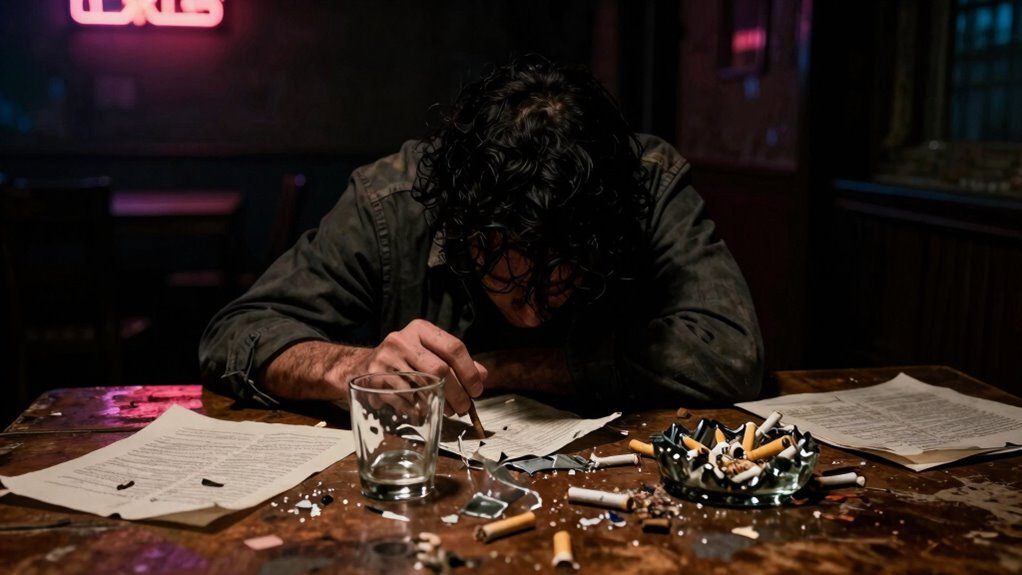

Unlikable characters often make better fiction because they challenge your perceptions of empathy and morality. Their flaws, like selfishness or manipulation, can feel all too familiar, creating a powerful connection. You’ll find that their moral ambiguity prompts you to question your own beliefs and the motivations driving their actions. Plus, unpredictable character arcs keep you engaged, as each choice carries high stakes. Explore the complexities that come with these characters, and you might discover even more intriguing insights.

Get business pricing on office and shipping supplies
- Business-only prices and quantity discounts
- Tax-exempt purchasing
- Multiple users, one account, clear invoices
Key Takeaways
- Unlikable characters challenge readers’ perceptions of empathy and morality, fostering deeper engagement with complex narratives.
- Their flawed traits create relatability, allowing readers to see their own struggles reflected in these characters.
- Morally ambiguous protagonists prompt exploration of motivations, encouraging critical dialogue around ethics and personal choices.
- Unpredictable character arcs maintain suspense, as flawed characters face high-stakes decisions with unforeseen consequences.
- By mirroring society’s darker aspects, unlikable characters prompt viewers to question personal beliefs and reflect on human nature.

While you might find yourself rooting for charismatic heroes in stories, unlikable characters often leave a lasting impression that can’t be ignored. These morally ambiguous protagonists challenge your perceptions and push you to reconsider what makes a character worthy of your empathy. When you explore their flawed character arcs, you discover complexities that go beyond typical heroism, making narratives richer and more engaging.
Unlikable characters often embody traits that many of us possess but might not want to admit. They’re selfish, manipulative, or even cruel, yet these flaws make them relatable in a way that perfect heroes can’t match. You might recognize a bit of yourself in their struggles and failures, and that connection can be powerful. As you follow their journeys, you realize that growth doesn’t always mean becoming better; sometimes, it’s about reckoning with the darker parts of oneself.
Consider how morally ambiguous protagonists force you to grapple with difficult questions. When you read about someone who makes questionable choices, it pushes you to ask why they act that way. You might find yourself pondering the factors that drive their behavior, such as trauma or social pressures. This engagement turns a passive reading experience into an active dialogue with the text, allowing you to explore themes of morality and ethics. Recognizing character complexity helps deepen your understanding of both the story and human nature.
Flawed character arcs also add depth to the narrative. Unlike traditional heroes whose journeys often culminate in triumph, unlikable characters may spiral into their own destruction or find redemption in unexpected ways. Their paths can be unpredictable, which keeps you on your toes. You’re not just reading a story; you’re investing in a character whose every decision could lead to unforeseen consequences, making the stakes feel incredibly high. Additionally, their moral ambiguity invites a broader reflection on good and evil, making the story resonate on a more profound level. Developing character depth through their flaws and contradictions can create a more nuanced and memorable story experience.
Furthermore, unlikable characters can serve as a mirror to society. They often reflect the worst aspects of human nature, prompting you to examine societal norms and expectations. When you see these characters navigate their world, you’re invited to question your own beliefs and judgments. This can lead to a more profound understanding of both the characters and the real world.
In the end, unlikable characters enrich storytelling by introducing complexity, moral ambiguity, and genuine conflict. They challenge you to think, reflect, and engage with the narrative in ways that traditional heroes often can’t. So the next time you encounter an unlikable character, remember that their flaws might just make the story unforgettable.
As an affiliate, we earn on qualifying purchases.
Frequently Asked Questions
How Do Unlikable Characters Influence Reader Empathy?
Unlikable characters can deepen your reader connection by showcasing emotional complexity. When you encounter flawed individuals, their struggles and motivations often resonate more profoundly. You might find yourself empathizing with their imperfections, understanding their choices, and reflecting on your own flaws. This layered portrayal fosters a richer narrative, making readers more invested in their journeys. Ultimately, these characters can evoke a broader range of feelings, enhancing your overall reading experience.
Can Unlikable Characters Drive a Plot Effectively?
Absolutely, unlikable characters can drive a plot effectively. Their flaws create plot tension that keeps you hooked, pushing the story forward. As they navigate conflicts, you witness their character growth, which adds depth to the narrative. You might find yourself invested in their journey, even if you don’t like them. This complexity adds layers to the plot, making it more engaging and memorable as you explore their struggles and transformations.
Are There Genres Where Unlikable Characters Are Less Effective?
Yes, certain genres struggle with unlikable characters. In romantic fiction, readers usually crave relatable heroes and heroines, so unlikeable traits can hinder emotional connections. Children’s literature often relies on positive role models, making unlikable characters less effective. Cozy mysteries typically feature endearing protagonists, as they help create a warm atmosphere. Inspirational stories benefit from uplifting characters, as readers seek motivation and hope, which unlikable traits can undermine.
How Can Writers Create Depth in Unlikable Characters?
To create depth in unlikable characters, focus on their moral ambiguity and character flaws. Show their struggles and vulnerabilities, making readers empathize despite their shortcomings. Use backstory to reveal what shaped their behavior, and let them face real consequences for their actions. This complexity can lead to growth or deeper chaos, keeping readers engaged. By balancing their negative traits with relatable motivations, you’ll craft characters that feel genuine and compelling.
What Are Examples of Classic Unlikable Characters in Literature?
Unlikable characters are like dark clouds; they bring tension and intrigue wherever they go. Think of Holden Caulfield from *The Catcher in the Rye* or Jay Gatsby from *The Great Gatsby*. These antiheroes appeal to you through their moral ambiguity, challenging your perceptions of right and wrong. Their flaws make them relatable, drawing you into their complex worlds. You can’t help but ponder their choices, even if you don’t always agree with them.
Conclusion
In the end, unlikable characters are like a double-edged sword; they cut deep but often reveal the most profound truths about humanity. Their flaws and complexities spark conflict, driving the story forward and keeping you on the edge of your seat. By embracing their imperfections, you discover richer narratives that challenge your perspectives. So, next time you meet a character you love to hate, remember: they might just be the spark your imagination needs.
Fall Picks
fall essentials
As an affiliate, we earn on qualifying purchases.