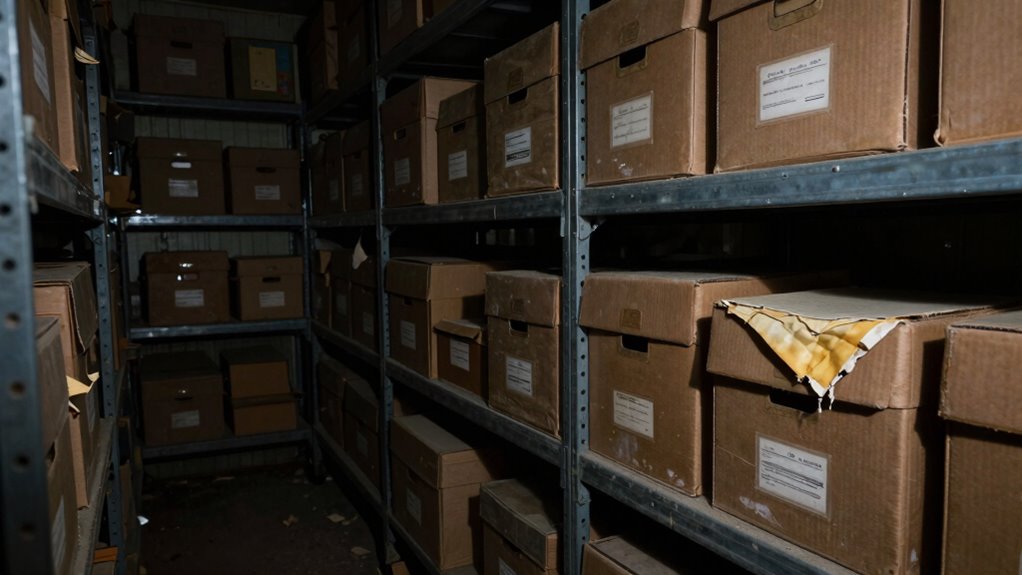

Archival storage often feels dull because it involves routine tasks like organizing, digitizing, and monitoring materials, which seem uneventful day-to-day. However, this work is essential for protecting fragile collections from damage caused by environmental factors, wear, or digital decay. When something goes wrong—like deterioration or data loss—it proves how important these upkeep efforts truly are. Stay with us to discover why this seemingly boring work is necessary for preserving history.

Get business pricing on office and shipping supplies
- Business-only prices and quantity discounts
- Tax-exempt purchasing
- Multiple users, one account, clear invoices
Key Takeaways
- Routine storage tasks are often overlooked until a disaster highlights their importance.
- Digital files seem safe until obsolescence or corruption causes data loss.
- Physical materials appear stable but degrade over time without proper care.
- Preservation science is critical when damage occurs, revealing the complexity behind seemingly simple tasks.
- Proactive maintenance prevents damage, emphasizing that storage is vital for long-term preservation.
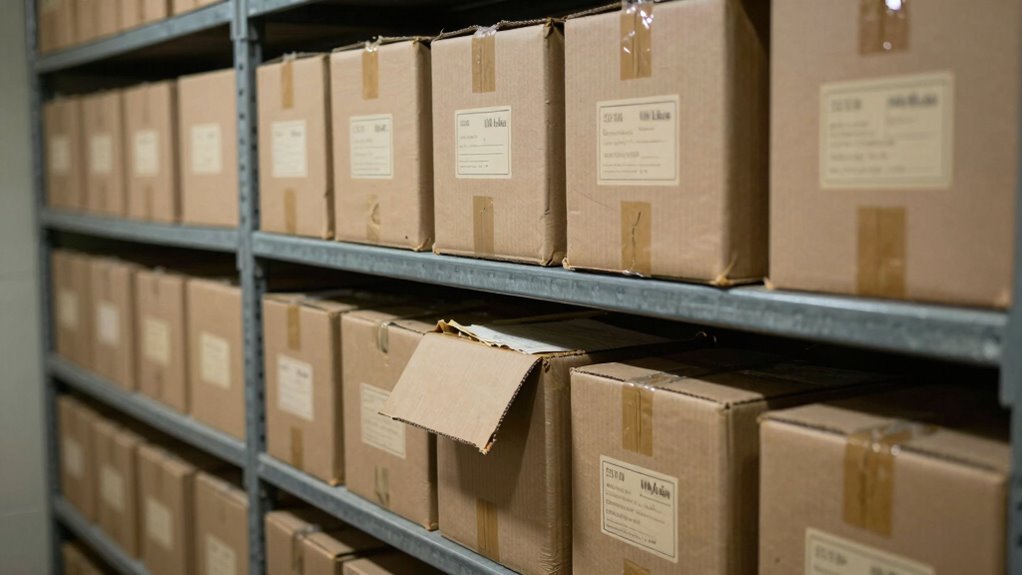
Archival storage often seems dull and uneventful—until disaster strikes. You might spend hours organizing boxes of documents, digitizing records, or ensuring that everything is in its proper place, all while feeling the routine grind of maintaining order. But when something goes wrong, it’s like a switch flips. Suddenly, the quiet world of preservation becomes urgent, and you realize just how fragile and crucial your collection really is. At the core of this fragility is the challenge of digital preservation and material degradation. While digital files seem indestructible at a glance, they’re actually vulnerable to obsolescence, corruption, and loss if not carefully maintained. You need to regularly update formats, migrate data, and verify integrity to prevent digital decay. Otherwise, your treasured records could become unreadable or lost forever. On the other hand, physical materials—whether paper, film, or other media—face their own enemies: time, environmental conditions, and mishandling. Material degradation happens slowly but relentlessly, causing paper to become brittle, ink to fade, or film to decay into uselessness. You might think that storing items in a cool, dry place protects them, but even the slightest shift in humidity or temperature can accelerate deterioration. You’re constantly balancing the need for accessibility with the need to preserve materials for the long term. When damage occurs—be it mold growth, tears, or chemical breakdown—you’re faced with the challenge of repair or restoration, which can be costly and complex. It’s not just about keeping things safe; it’s about understanding the science behind preservation. You need to know how different materials age, how to prevent further harm, and when to intervene. Often, it’s the mundane aspects of storage—such as proper shelving, climate control, and regular monitoring—that make the difference. Yet, it’s precisely these details that are overlooked until disaster hits. Then, you’re scrambling to salvage what you can, feeling the weight of lost information and the effort required to recover from neglect. The truth is, archival storage might seem boring because it’s about patience, consistency, and attention to detail. But when something goes wrong, it’s a stark reminder of how precious and vulnerable your collection truly is. You realize that safeguarding history isn’t glamorous; it’s meticulous work that demands vigilance. It’s only then that you appreciate the importance of proactive preservation strategies—because once damage occurs, it’s often too late to undo. Recognizing the importance of digital preservation and material conservation can help mitigate these risks before disaster strikes. Developing an understanding of material aging processes can further enhance long-term preservation efforts, especially when combined with proper storage conditions. Additionally, implementing regular monitoring routines ensures that potential issues are caught early, saving time and resources in the long run. Proper maintenance and attention to environmental factors are essential for preventing irreversible damage.
As an affiliate, we earn on qualifying purchases.
Frequently Asked Questions
How Do Archivists Prevent Damage in Storage Facilities?
You prevent damage by implementing strict environmental controls, like regulating temperature and humidity, to protect items. You also prioritize digital preservation strategies, ensuring digital copies are backed up and stored securely. Regular monitoring and maintenance are essential, allowing you to catch issues early before they cause harm. By combining these approaches, you keep your collection safe, reducing the risk of deterioration and extending the lifespan of your valuable materials.
What Are Common Causes of Damage in Archival Storage?
Did you know that poor climate control causes 60% of damage in archives? You need to understand common causes like fluctuating temperatures, humidity, pests, and handling mishaps. These factors threaten historical preservation, risking mold, warping, or insect damage. By maintaining consistent climate control and practicing careful handling, you can protect invaluable collections. Staying vigilant against these causes keeps your archives safe and preserves history for future generations.
How Is Archival Damage Detected Before It Becomes Visible?
You can detect archival damage early through digital monitoring and environmental sensors. These tools continuously track temperature, humidity, and light levels, alerting you to conditions that could cause harm. Regular digital scans also help identify shifts or deterioration in materials before damage becomes visible. By actively monitoring and responding to sensor alerts, you prevent potential deterioration and preserve your collections effectively.
What Technologies Are Used to Preserve Fragile Documents?
You harness advanced technologies to preserve fragile documents—digital conversion instantly captures their content, protecting it from physical degradation. Climate control maintains ideal temperature and humidity, preventing deterioration over time. These methods work together seamlessly, ensuring your documents stay intact and accessible. As you implement these techniques, you create a safeguard that’s almost invisible but incredibly powerful, keeping history safe before trouble ever has a chance to strike.
How Often Should Archives Be Inspected for Potential Damage?
You should inspect archives regularly, ideally at least once a year, to catch potential damage early. Incorporate digital preservation strategies to guarantee backups are secure, and maintain strict climate control to prevent deterioration. Regular inspections help you identify issues like mold, pests, or environmental fluctuations that could harm fragile documents. Staying proactive with these checks preserves the integrity of your collection and ensures long-term accessibility.
Conclusion
You might think archival storage is dull, but it’s the quiet guardian of history, holding stories in stasis until disaster strikes. When damage occurs, it’s like a sudden thunderclap, revealing the fragile beauty of preservation. That’s when the true importance of careful storage hits home—you realize it’s not just about keeping things safe, but about protecting the past from being lost forever. In this silent battle, your vigilance becomes the key to history’s survival.
Columbus Day / Indigenous Peoples' Day Picks
long weekend sales
As an affiliate, we earn on qualifying purchases.