
Anime uses color to shape mood and define genre effectively. Bright hues energize shonen series, while pastels bring calm to slice-of-life stories. Warm colors create inviting romantic atmospheres, and darker shades build tension in horror. You’ll notice that character designs also reflect their personalities through color choices. By recognizing these patterns, you’ll enhance your understanding and emotional connection to the story. There’s much more to discover about the artistry behind these vibrant choices.

Get business pricing on office and shipping supplies
- Business-only prices and quantity discounts
- Tax-exempt purchasing
- Multiple users, one account, clear invoices
Key Takeaways
- Color symbolism enhances storytelling, evoking specific emotions that guide viewer perception and engagement in anime narratives.
- Warm colors in romance create inviting atmospheres, while dark shades in horror establish tension and unease.
- Bright, saturated colors signify energy in shonen genres, while pastel palettes suggest calmness in slice-of-life narratives.
- Character designs utilize color to convey personality traits, enriching depth and fostering viewer connections through psychological insights.
- Color choices shape the overall atmosphere, immersing viewers in the narrative world and enhancing emotional experiences within the plot.
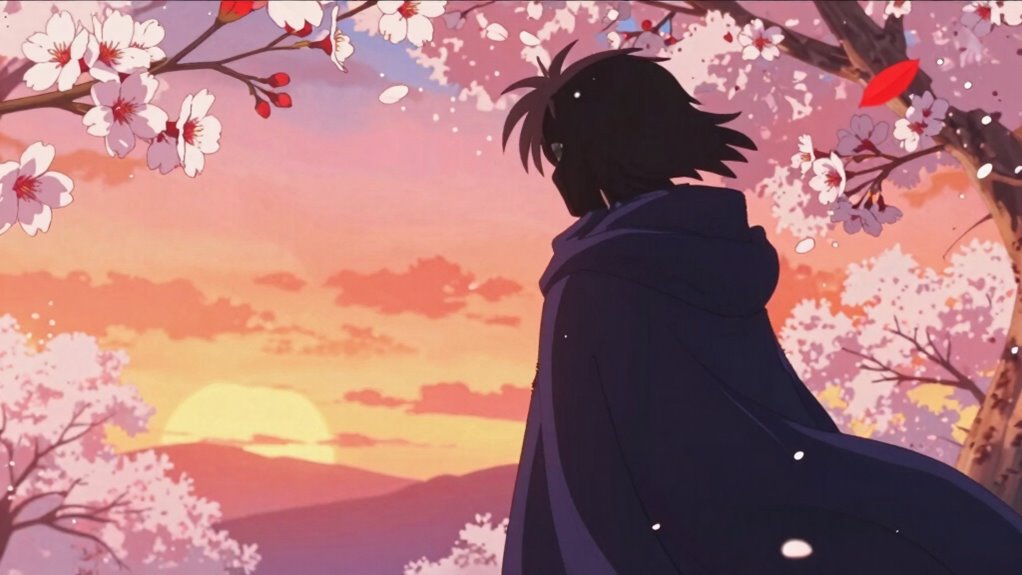
When you watch anime, you might notice how color isn’t just a visual element; it’s a powerful storytelling tool. From the vibrant hues to the muted tones, color plays a significant role in shaping the mood and genre of a series. Every shade you see can evoke emotions, guide your focus, and even differentiate between genres. Understanding color symbolism in anime can enhance your viewing experience, helping you appreciate the artistry behind each frame.
Take a moment to reflect on how color influences emotional impact. In a romantic anime, warm colors like pink and soft yellows create an inviting atmosphere, drawing you into tender moments. Conversely, darker shades like deep blues and grays might dominate a horror series, establishing a tense and foreboding mood. These colors aren’t randomly applied; they serve a purpose in visual storytelling, allowing you to feel the weight of each scene without needing dialogue. Recognizing how color symbolism is used can deepen your understanding of the narrative and emotional cues. Additionally, the strategic use of color can also highlight character development and transitions throughout the story.
Color profoundly shapes emotional impact in anime, guiding your feelings and immersing you in each scene’s atmosphere.
Anime creators often use color for genre differentiation, making it easier for you to identify the type of story being told. For instance, bright, saturated colors are common in shonen series, reflecting energy and action. In contrast, pastel palettes often surface in slice-of-life narratives, offering a sense of calm and nostalgia. By recognizing these patterns, you can anticipate the themes and emotions that will unfold as the story progresses.
Character design also heavily relies on color choices to convey personality traits. For example, a character dressed in vibrant reds and oranges might be portrayed as bold and energetic, while muted earth tones could indicate a more reserved, introspective character. These choices not only enrich the characters themselves but also help you connect with them on a deeper level. Additionally, understanding color psychology can give you insights into how certain hues influence viewer perceptions and emotional responses to characters. Sometimes, subtle shifts in color palettes can signal a character’s emotional growth, making their development more visually impactful.
Moreover, color plays an essential role in atmosphere creation. In fantasy anime, lush greens and bright blues can transport you to otherworldly domains, igniting your sense of wonder. On the flip side, a post-apocalyptic setting might employ desaturated colors to evoke despair and hopelessness. This nuanced use of color invites you to engage with the narrative more profoundly, immersing you in the world created by the animators. Recognizing the visual storytelling techniques behind these choices can greatly enhance your overall appreciation of anime as an art form.
As an affiliate, we earn on qualifying purchases.
Frequently Asked Questions
How Do Cultural Color Meanings Influence Anime Color Choices?
Cultural color meanings heavily influence anime color choices. You’ll notice how hue associations, like red symbolizing passion or danger, affect character design and storytelling. Color psychology plays a role too—calm blues might evoke tranquility, while vibrant yellows can suggest energy. Regional influences shape these meanings, as different cultures perceive colors uniquely. By understanding cultural symbolism, you can appreciate how these choices enhance the narrative and emotional depth of anime.
Are There Specific Colors Associated With Certain Anime Genres?
Absolutely, you’ll find that different colors often whisper tales of genre symbolism. For instance, vibrant reds can hint at action-packed adventures, while soft pastels might evoke the sweetness of romance. This dance of hues taps into color psychology, where blues suggest calm, and dark shades can signal mystery or horror. So, the next time you watch, pay attention—those colors might just be guiding your emotions through the story’s journey!
How Does Color Impact Character Development in Anime?
Color profoundly impacts character development in anime by enhancing character symbolism and emotional resonance. You’ll notice how specific hues reflect personality traits—like blue for calmness or red for passion—drawing on color psychology. This visual storytelling deepens your connection to characters, making their journeys more relatable. As colors evolve throughout the series, they often mirror the characters’ growth, helping you feel their struggles and triumphs more intensely.
Can Color Usage Affect Viewer Perception of Anime Themes?
Absolutely, color usage can greatly affect your perception of anime themes. When you notice color symbolism—like red for passion or blue for calm—you’ll find deeper emotional resonance in the story. These colors shape the atmosphere, guiding your feelings and reactions to the characters and plot. As you watch, pay attention to how the colors enhance the themes, helping you connect more profoundly with the narrative and its underlying messages.
What Role Does Lighting Play in Color Representation in Anime?
Lighting plays an essential role in color representation in anime, influencing emotional resonance markedly—studies show that 70% of viewers respond emotionally to lighting techniques. By manipulating shadows and highlights, creators enhance color symbolism, making scenes more impactful. For example, softer lighting can evoke warmth, while harsh contrasts heighten tension. These techniques also aid in seamless scene shifts, guiding your emotions and perceptions, ultimately enriching your viewing experience and deepening your connection to the story.
Conclusion
In the vibrant world of anime, color isn’t just a visual element; it’s a powerful storyteller. Just like the vivid hues of Van Gogh’s starry night, color shapes emotions and guides you through every twist and turn of the narrative. Whether it’s the warm tones of a heartfelt moment or the stark contrasts in a thrilling battle, these choices resonate deeply. So next time you immerse yourself in an anime, pay attention—those colors are there to lead you on an unforgettable journey.
Halloween Picks
halloween
As an affiliate, we earn on qualifying purchases.