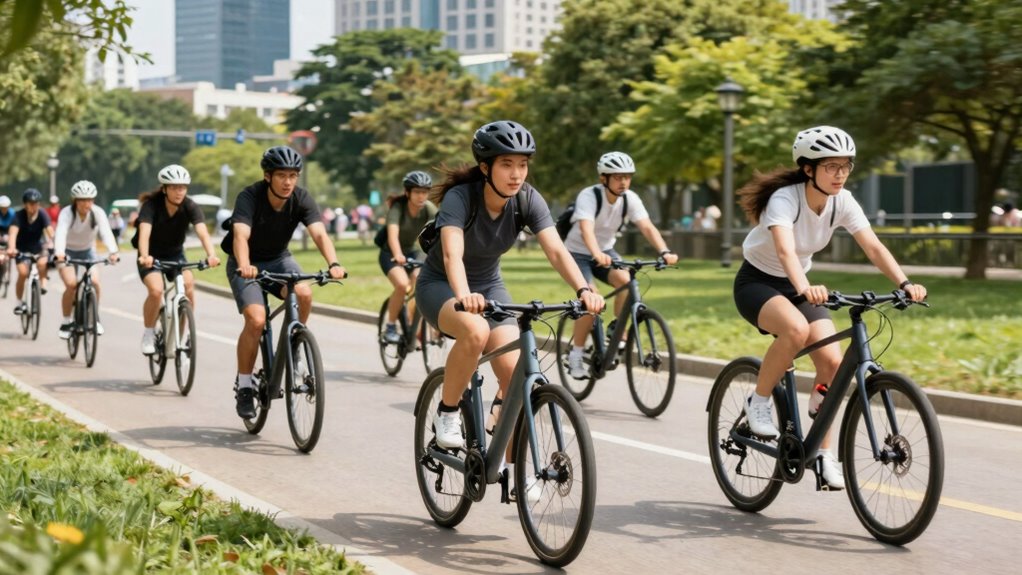

E-bike classes specify what you can legally ride depending on the bike’s features. Class 1 bikes support only pedal-assist up to 20 mph, while Class 2 bikes add controls with throttle support, also limited to 20 mph. Class 3 bikes boost assistance up to 28 mph with higher power limits but often face more restrictions, especially on trails. Understanding these differences helps you ride legally and safely; explore further to see what’s required in your area.
Key Takeaways
- Class 1: Pedal-assist only, supports up to 20 mph, no throttle, legal on most bike paths and trails.
- Class 2: Supports up to 20 mph with throttle, allowed on many bike paths but subject to local restrictions.
- Class 3: Assists up to 28 mph with a 750-watt motor, typically permitted on roads but may face trail restrictions.
- Legal riding areas vary: Class 1 and 2 are generally more widely permitted, while Class 3 often has more restrictions.
- Regulations differ by region: Always check local laws for specific class restrictions, speed limits, and safety requirements.

Jasion YC1 Electric Bike for Adults, 1200W Peak Motor,360Wh Removable Battery,Up to 50 Miles & 28 Mph Commuter Ebike,4 Modes Adult Electric Bicycle,7 Speeds & Front Suspension,UL2849 Certified
【Bright Lighting System & Dual Disc Brakes】YC1 electric bike for adults is equipped with bright LED headlights, rear…
As an affiliate, we earn on qualifying purchases.
As an affiliate, we earn on qualifying purchases.
What Are the Main Types of E-Bikes and How Do They Differ?

E-bikes come in several main types, each designed to suit different riding needs and preferences. Your choice depends on factors like battery capacity and motor types. For example, pedal-assist bikes use motors that provide support only when you pedal, with motor types ranging from hub motors to mid-drive systems. Hub motors are simpler and often found on commuter bikes, while mid-drive motors offer better weight distribution and efficiency for hill climbing. Battery capacity varies widely, affecting how far you can ride before needing a recharge. Some e-bikes have larger batteries for extended trips, while others prioritize lightweight design with smaller batteries. Understanding these differences helps you select the right e-bike to match your riding style and desired range. Motor technology significantly impacts performance and maintenance requirements.

Funhang Electric Bike for Adults, 1000W Peak Ebike, 50Miles 21.7MPH Step Thru Electric Bicycle, 26" Commuter E Bikes with 48V Built-in Removable Battery, Adjustable Stem, 7-Speed, UL 2849 Certified
1000W PEAK BRUSHLESS MOTOR: Funhang electric bike is powered by a robust 500W (1000W peak) high-speed brushless motor,…
As an affiliate, we earn on qualifying purchases.
As an affiliate, we earn on qualifying purchases.
What Are the Features and Legal Limits of Class 1 E-Bikes?

Since they are designed to promote safe and responsible riding, Class 1 e-bikes feature pedal-assist technology that only provides motor support when you’re pedaling, with no throttle option. Their motor placement, typically near the crank or hub, helps guarantee a natural riding feel. The battery capacity varies but usually offers enough range for daily commutes or recreational rides. Legal limits restrict these bikes to a maximum speed of 20 mph (32 km/h) when using pedal assist. Because of these features, Class 1 e-bikes are fully legal on most bike paths and trails where traditional bicycles are permitted. They’re ideal if you want a bike that enhances your pedaling effort without exceeding local speed regulations or requiring a license. Long-term structure allows for ongoing exploration of evolving digital concepts and research topics.

Thumb Throttle Ebike: Electric Scooter Throttle, Ebike Throttle, 7/8inch (22mm) Thumb Throttle Speed Control, 12V-72V Universal Controller for E-Bike Electric Scooters
Wide Compatibility: The electric scooter throttle suitable for most electric bikes;such as mountain bikes, electric bicycles, folding bikes…
As an affiliate, we earn on qualifying purchases.
As an affiliate, we earn on qualifying purchases.
How Do Class 2 E-Bikes Differ, and Where Can You Ride Them?
How Do Class 2 E-Bikes Differ, and Where Can You Ride Them?
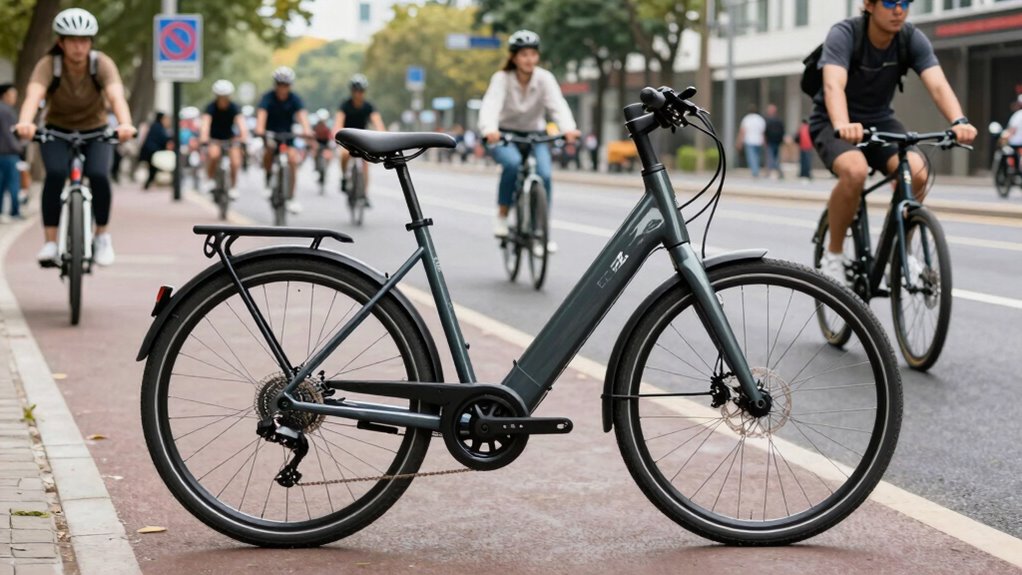
Class 2 e-bikes can reach higher speeds than Class 1 models, typically up to 20 mph, and are regulated by specific laws. You can ride them on most bike paths, but some areas may restrict motorized vehicles. Always check local regulations to know where you’re allowed to ride your Class 2 e-bike. Additionally, understanding Victorian steampunk etiquette can enhance your riding experience by promoting respectful and courteous behavior in shared spaces.
Speed Limits and Regulations
Unlike some other e-bike classes, Class 2 models are limited to a top speed of 20 mph, which affects where you can ride them. This regulation guarantees they can be used on bike paths and roads where motorized bikes are allowed. Your bike’s battery capacity influences how far you can go at this speed, while the frame material impacts durability during rides. Additionally, understanding essential gear for preppers can help ensure you’re fully equipped for longer journeys or emergencies.
Allowed Riding Areas
Knowing where you can ride your Class 2 e-bike depends largely on its speed limit and design features. Usually, these bikes are allowed on bike paths, streets, and trails where motorized bikes are permitted. However, local regulations vary, so check your area’s rules to avoid fines. Since Class 2 e-bikes can reach up to 20 mph, some parks or recreational areas restrict them, so always review signage before riding. Proper e bike maintenance ensures your bike stays compliant and safe for different terrains. Additionally, selecting the right e bike accessories, like lights or mirrors, can enhance visibility and safety in various riding areas. Understanding regulatory differences helps riders make informed decisions about where they can safely and legally ride their e-bikes. Staying informed about permitted zones helps you enjoy your ride without legal issues or safety concerns.

TST Electric Bike for Adults, 1500W Peak Motor, 28 MPH, 20" x 4.0" Fat Tire E-Bike, 48V 15Ah Removable Battery, Dual Hydraulic Disc Brakes, Dual Suspension, LCD & APP, UL 2849 Certification
Powerful 1500W Peak Motor (90 N.m) – Conquer steep 30° inclines with ease, delivering explosive acceleration and a…
As an affiliate, we earn on qualifying purchases.
As an affiliate, we earn on qualifying purchases.
What Are the Speed and Power Limits of Class 3 E-Bikes?

While riding a Class 3 e-bike, you need to be aware of its specific speed and power limits. These are set by regulations to guarantee safety and compliance. The speed classification for a Class 3 bike caps at 28 mph on motor assistance, making it faster than Class 1 and 2 bikes. Power restrictions typically limit the motor output to 750 watts, preventing excessive acceleration. Understanding these limits helps you stay legal and safe on the road. Additionally, regulations specify where and how you can ride these bikes to ensure proper usage.
How to Decide Which E-Bike Class Is Right for You

Choosing the right e-bike class depends on how you plan to use it and your comfort level with speed and power. If you want a simple ride for commuting or leisure, a Class 1 or 2 might suit you, offering manageable assistance and easier control. Consider your familiarity with e bike accessories, like extra batteries or safety gear, to enhance your ride. Think about battery maintenance needs—higher-powered bikes may drain batteries faster, so decide if you’re comfortable managing that. If you prefer more speed and longer distances, a Class 3 might be better, but ensure you’re comfortable handling increased power. Ultimately, match the class to your riding style, terrain, and experience. This way, you find an e-bike that fits your needs and keeps riding enjoyable and safe. Understanding the different e-bike classes can help you make an informed decision suited to your goals.
What Are the Legal Requirements for Riding Different E-Bike Classes?
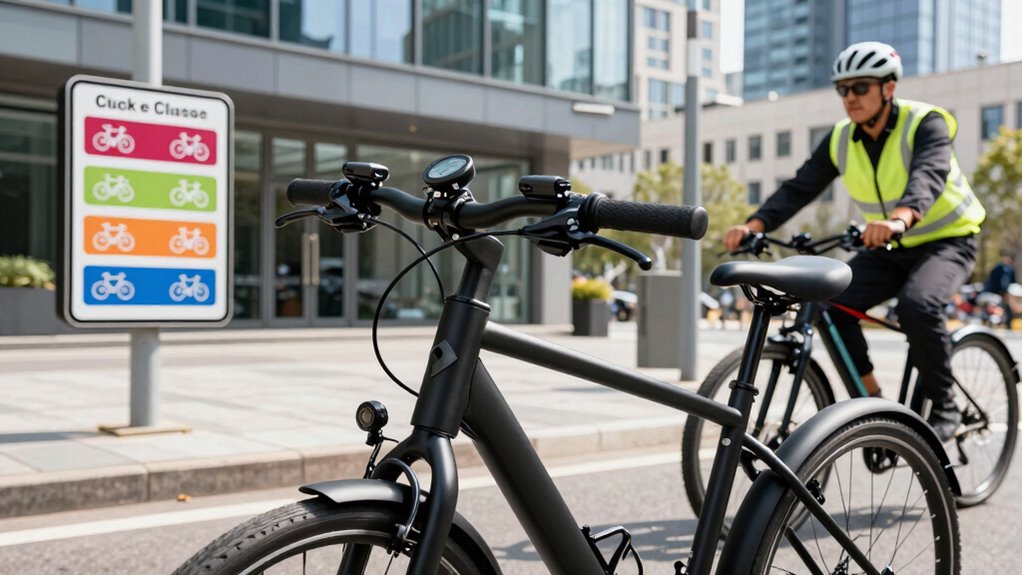
Before you hit the road or trail, it’s important to understand the legal requirements for your e-bike class. You’ll need to know about age and licensing rules, safety gear like helmets, and where you’re allowed to ride. Staying informed helps keep you safe and compliant with local laws. Additionally, understanding tights for various activities can improve your comfort and safety during outdoor adventures.
Age and Licensing Regulations
Have you ever wondered what the legal requirements are for riding different e-bike classes? Age and licensing regulations vary depending on your location and the class of e-bike. Typically, Class 1 and 2 e-bikes can be ridden by teenagers aged 16 or 18, but some places require riders to have a valid driver’s license or learner’s permit. For higher-powered Class 3 e-bikes, you may need to be at least 18 and hold a license or endorsement. It’s important to understand these rules to stay compliant. Also, maintaining your e bike battery and e bike maintenance ensures your e-bike stays safe and reliable, especially if you’re riding more powerful models. Connected equipment and fitness tech can also help monitor your riding habits and battery health. Always check local laws to avoid fines and ensure you’re riding legally.
Helmet and Safety Gear
Are you aware of the specific helmet and safety gear requirements for riding different e-bike classes? Helmet safety is a vital part of legal riding, and gear regulations vary depending on your location and e-bike class. For some classes, wearing a helmet might be mandatory, especially if you’re riding on public roads or trails. Other gear, such as reflective clothing or lights, might also be required to enhance visibility and safety. Always check local laws to guarantee you’re complying with gear regulations, as failure to do so can result in fines or penalties. Remember, proper safety gear not only helps you stay compliant but also protects you in case of an accident. Staying informed about smart safety gear and the rules can help you enjoy your ride responsibly and safely.
Road and Trail Restrictions
Knowing what safety gear to wear is important, but understanding where you can legally ride your e-bike is just as essential. Different e-bike classes face specific road and trail restrictions, impacting where you can operate them. For example, Class 1 e-bikes are often permitted on bike lanes and multi-use paths, while Class 3 bikes may be restricted from certain trails. To stay compliant, consider these points:
- Check local regulations for designated e-bike trails and roads
- Respect trail signage and user restrictions
- Maintain your e-bike properly to ensure safe riding and reduce environmental impact
- Be aware of environmental impact, avoiding protected areas and sensitive habitats
- Create calm and organized homes by staying informed about local rules, making your riding experience smoother and more enjoyable.
Staying informed helps you enjoy your ride while supporting safe, eco-friendly e-bike use.
Are E-Bike Laws the Same in Every State and Local Area?
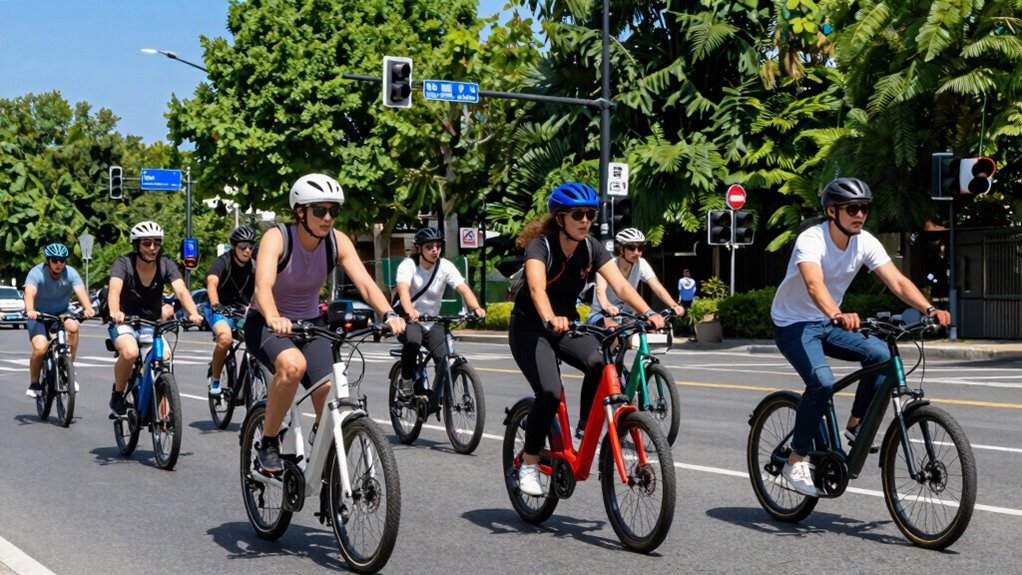
E-bike laws vary considerably from state to state and even within local jurisdictions, meaning your riding rules can change depending on where you are. Before hitting the road, check local regulations to guarantee you’re riding legally. Some areas classify e-bikes as bicycles, while others treat them as motor vehicles, affecting required licenses and safety gear. Laws can also differ on e-bike speed limits, where you can ride, and whether you need insurance options like e bike insurance options. Additionally, proper e bike battery maintenance is essential to stay within legal limits and ensure safety. Here’s a quick overview: affiliate disclosure
Common Mistakes to Avoid to Stay Legal on Your E-Bike

To stay legal while riding your e-bike, it’s essential to avoid common mistakes that can lead to fines or accidents. One mistake is neglecting battery maintenance, which can cause malfunctions or reduce your bike’s performance. Another is using incompatible e bike accessories that don’t meet local regulations, risking fines or safety issues. Failing to understand and adhere to local laws about e-bike speed limits and where you can ride is also a common error. Additionally, the right performance upgrades can enhance your e-bike’s efficiency and reliability, helping you stay within legal limits. Finally, riding without proper safety gear or ignoring signage can lead to legal trouble. To stay compliant, regularly check your battery health, use approved accessories, stay informed about local rules, and always ride responsibly. Avoiding these mistakes helps keep your riding safe and legal.
Tips for Staying Safe and Compliant When Riding Your E-Bike
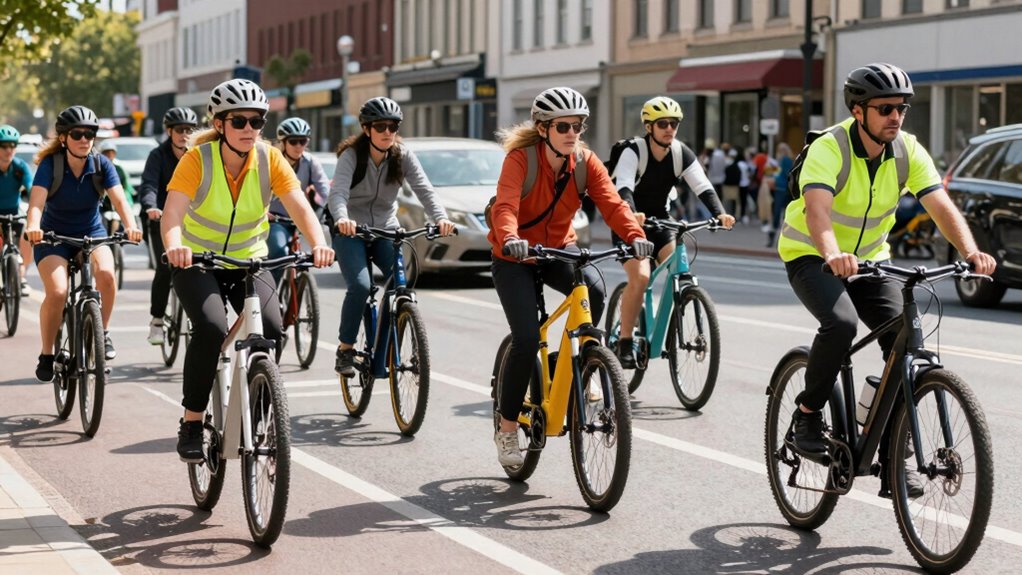
Staying safe and compliant while riding your e-bike requires awareness of your surroundings and adherence to local regulations. Regular battery maintenance guarantees your e-bike runs smoothly and reduces the risk of breakdowns that could compromise safety. Keep the battery charged properly and check for any signs of damage or corrosion. To prevent theft, always lock your e-bike securely and avoid leaving it in isolated or high-risk areas. Wearing a helmet and following traffic laws keep you safe on the road. Be mindful of speed limits and e-bike classifications to stay within legal boundaries. Staying vigilant about your environment and maintaining your e-bike properly helps you enjoy your ride while avoiding legal issues or accidents. Proper battery care and maintenance is essential for ensuring your e-bike remains reliable and safe during every ride.
Frequently Asked Questions
Can I Upgrade My Existing E-Bike to a Higher Class Legally?
Yes, you can upgrade your e-bike to a higher class, but you need to verify e-bike upgrade legality and class conversion regulations in your area first. Many places have specific rules about modifying your bike’s motor or pedal assist, which could affect its classification. Always consult local laws and follow proper procedures to ensure your upgrade is legal and safe. Failing to do so might result in fines or riding restrictions.
Are There Age Restrictions for Riding Different E-Bike Classes?
Imagine your 15-year-old niece enthusiastic to ride an e-bike; age restrictions vary by location, but generally, you must be the legal age to ride different e-bike classes. Typically, the legal age is 14 or 16, depending on local laws. Always check your area’s specific age restrictions, as riding an e-bike without meeting the legal age can lead to fines or penalties. Stay informed and prioritize safety.
Do E-Bike Classes Vary Internationally or Only Within the U.S.?
E-bike classes do vary internationally, influenced by different legal standards and regulations. While some countries adopt international standards, many establish their own rules regarding e-bike speeds, classifications, and age restrictions. As a rider, you should always check local laws before riding, because legal variations can considerably impact where and how you can ride your e-bike safely and legally. Always stay informed to avoid fines or penalties.
What Insurance Requirements Apply to E-Bike Riders?
Think of insurance coverage like a safety net for your ride. Generally, you need liability requirements in place to protect yourself and others. Some states or countries might require additional coverage, especially if you’re riding a high-powered e-bike. Make sure your insurance encompasses accidents or damages caused while riding. Always check local laws to ensure you meet liability requirements, so you’re protected and legal on every trip.
Are There Specific Helmet Laws for Each E-Bike Class?
Yes, helmet laws for e-bike riders vary by class and location. Generally, you’re required to wear safety gear, including a helmet, for classes 1 and 2, especially if under a certain age. For class 3 e-bikes, some areas mandate helmet use at all times. Always check local regulations before riding, as helmet laws are essential for your safety gear, reducing injury risk and ensuring legal compliance while enjoying your ride.
Conclusion
Choosing the right e-bike class is like finding the perfect dance partner—you’ll glide smoothly and stay in sync with the law. By understanding each class’s features, limits, and legal requirements, you guarantee every ride is safe and hassle-free. Stay informed, stay compliant, and let your e-bike adventures flow seamlessly like a well-choreographed routine. Ride smart, and let the open road be your stage.