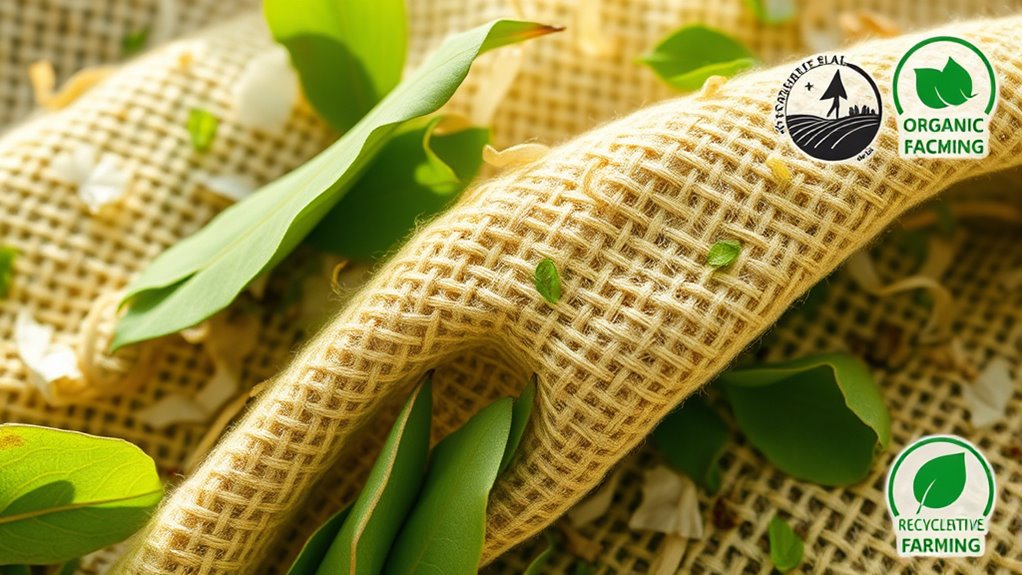

Sustainable fabrics include organic, recycled, and regenerative textiles, each with unique benefits. Organic fabrics come from fibers grown without harmful chemicals, reducing environmental harm and supporting eco-friendly farming. Recycled materials reuse waste like plastic bottles, conserving resources and minimizing landfill waste. Regenerative practices actively restore ecosystems, improve soil health, and sequester carbon, making farming more sustainable. To understand how these concepts work together and impact fashion, explore further insights into sustainable fabric choices and their benefits.
Open a free Amazon Business account
Business pricing, bulk buying and tax-exempt orders.
As an affiliate, we earn on qualifying purchases.
Key Takeaways
- Organic fabrics are made from fibers grown without harmful chemicals, supporting sustainable farming and reducing environmental impact.
- Certification programs verify the authenticity of organic fabrics, ensuring compliance with strict environmental and safety standards.
- Recycled textiles use post-consumer waste, such as plastic bottles and fishing nets, to create new fabrics, conserving resources and reducing waste.
- Using recycled materials promotes a circular fashion economy and minimizes landfill contributions and resource extraction.
- Regenerative practices enhance ecosystems by improving soil health, sequestering carbon, and promoting biodiversity, unlike conventional farming methods.
As an affiliate, we earn on qualifying purchases.
Understanding Organic Fabrics: What They Are and Why They Matter
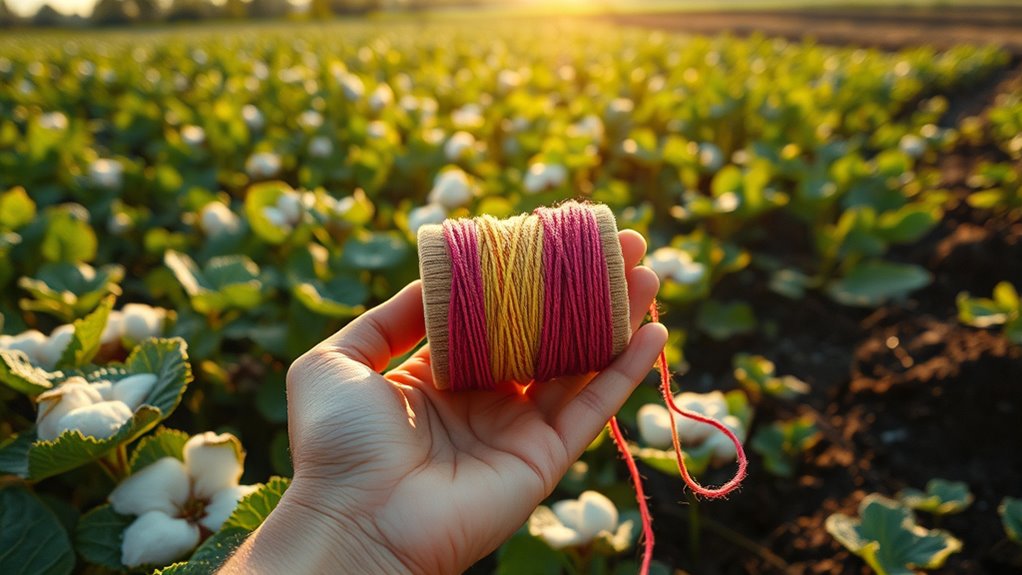
Organic fabrics are textiles made from fibers grown without synthetic chemicals, pesticides, or fertilizers. When you choose organic fabrics, you support farming practices that prioritize environmental health and soil vitality. Organic certification is crucial here; it ensures that farms follow strict standards, verifying that no harmful chemicals are used throughout the cultivation process. This certification guarantees that the fibers come from farms committed to sustainable methods, which reduce pollution and conserve water. By understanding organic fabrics, you recognize their significance in reducing your carbon footprint and promoting healthier ecosystems. When shopping, look for certifications like GOTS or USDA Organic to confirm the authenticity of the fabric’s organic status. Choosing organic fabrics aligns your wardrobe with eco-conscious values and sustainable farming practices. Certification standards play a vital role in maintaining the integrity of organic textiles and ensuring environmentally friendly production.
The Role of Recycled Materials in Sustainable Fashion

Recycling fibers plays a fundamental role in advancing sustainable fashion by reducing waste and conserving resources. By embracing upcycling innovation, you extend the material lifecycle, giving new purpose to discarded textiles. Recycled materials, like polyester from plastic bottles or nylon from fishing nets, cut down on virgin resource extraction and energy use. This approach not only minimizes environmental impact but also spurs creative design solutions. When you choose garments made from recycled fibers, you’re supporting a circular economy that prioritizes reuse over disposal. The ongoing development of recycled textiles helps close the loop in fashion production, ensuring fewer materials end up in landfills. Additionally, understanding the Personality Test can help consumers identify brands that align with their values of sustainability and ethical practices. Overall, incorporating recycled materials is an essential step toward more sustainable, responsible fashion practices that benefit both the planet and your wardrobe.
Exploring Regenerative Practices and Their Impact on the Environment
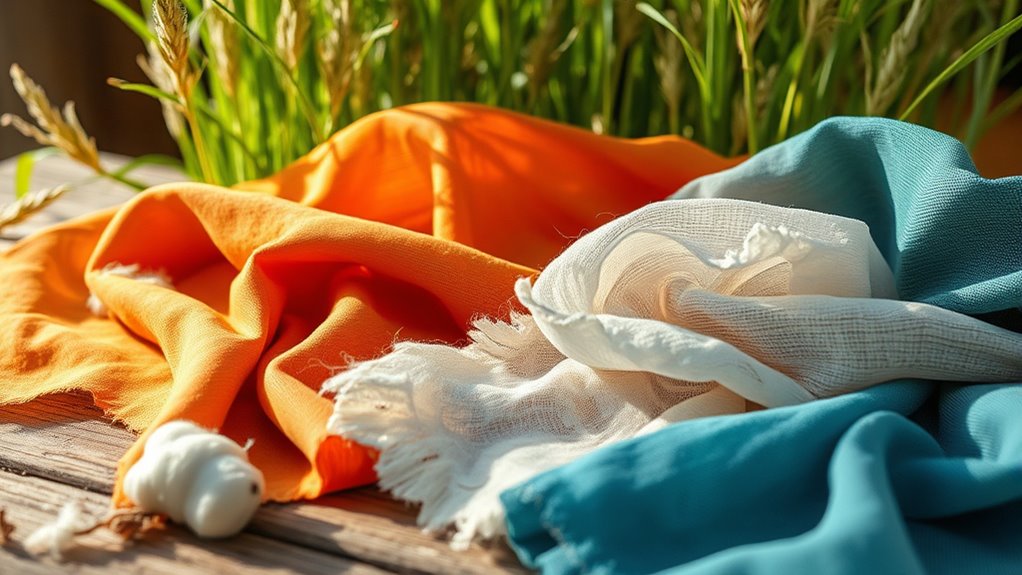
While traditional farming and manufacturing often deplete resources and harm ecosystems, regenerative practices actively restore and enhance the environment. By focusing on soil health, these methods improve fertility and water retention, leading to more resilient landscapes. You’ll see how regenerative agriculture minimizes erosion and sequesters carbon, helping combat climate change. Biodiversity preservation is another key goal, promoting diverse plant and animal life that supports ecosystem stability. These practices encourage crop rotation, cover cropping, and reduced chemical use, which benefit the land and surrounding habitats. When you adopt regenerative methods, you’re not just producing fabrics; you’re fostering a healthier planet. Your choices can contribute to restoring degraded ecosystems and creating a sustainable future for generations to come. Incorporating mindfulness techniques, such as deep breathing exercises, can also enhance awareness of environmental impacts and promote more conscious consumer choices.
Frequently Asked Questions
How Do Organic Fabrics Compare in Cost to Conventional Fabrics?
You might notice that organic fabrics tend to have higher price differences compared to conventional fabrics. This is mainly because organic farming methods often cost more and produce less yield, which raises prices. However, by choosing organic fabrics, you reduce environmental impact since they use fewer chemicals and conserve resources. While they may cost more upfront, the long-term benefits for the environment and quality often make them a worthwhile investment.
Are Recycled Fabrics as Durable as New Materials?
Imagine giving new life to what once was discarded—that’s the power of recycled fabrics. You’ll find that their fabric lifespan and material resilience often match, or even surpass, new materials. Recycled fabrics are designed to endure, proving they’re just as durable. With proper care, you can trust recycled textiles to stand the test of time, making your choices both sustainable and resilient, like a phoenix rising from ashes.
Can Regenerative Practices Be Applied to All Types of Textiles?
You might wonder if regenerative practices can be applied to all textiles. While regenerative agriculture promotes soil health and sustainability, applying its principles to textiles involves textile innovation that’s still developing. Some fibers, like hemp and organic cotton, lend themselves well, but others may pose challenges. Overall, ongoing research aims to expand regenerative methods across diverse textiles, helping you support eco-friendly choices that benefit the environment and future generations.
What Certifications Verify a Fabric’s Sustainability Claims?
When you want to verify a fabric’s sustainability claims, look for certifications backed by third-party verification. These certifications, like GOTS, OEKO-TEX, and Fair Trade, ensure the fabric meets strict sustainability standards. They confirm that the materials are organic, recycled, or responsibly produced. Always check for reputable seals on labels to make certain your fabric truly aligns with eco-friendly practices and genuine sustainability standards.
How Can Consumers Identify Truly Sustainable Fabric Products?
To identify truly sustainable fabric products, you should look for clear labels indicating eco-friendly dyes and fair trade sourcing. Check for certifications like GOTS or Fair Trade that verify ethical practices. Research brands’ transparency about their sourcing and manufacturing processes. By paying attention to these details, you guarantee the fabrics you buy support environmentally friendly methods and fair labor, making your choices more sustainable and impactful.
Conclusion
Now that you understand the differences between organic, recycled, and regenerative fabrics, isn’t it time to make more mindful choices? By choosing sustainable fabrics, you’re not just upgrading your wardrobe—you’re helping protect the environment and support ethical practices. Every small step counts, but the real question is: are you ready to embrace these eco-friendly options and make a lasting impact? Your choices today shape a greener tomorrow.
Fall Picks
fall essentials
As an affiliate, we earn on qualifying purchases.