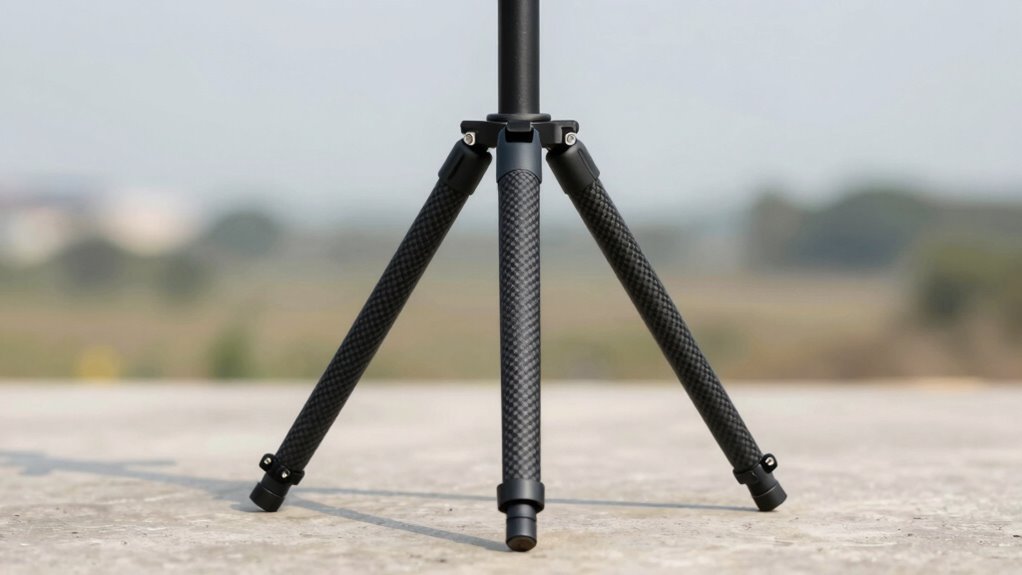

Carbon fiber tripods cost more because their lightweight design requires advanced materials and complex manufacturing processes, which drive up production costs. The fibers are woven precisely and bonded with resin, demanding skilled labor and advanced equipment. This guarantees durability, strength, and stability in tough conditions. While the price is higher, the performance benefits are worth it if you need reliable support that lasts. Keep going to discover why these costs matter more than you think.
Key Takeaways
- Carbon fiber’s lightweight nature reduces overall tripod weight, making it more portable and easier to handle.
- The advanced manufacturing process for lightweight, durable carbon fiber increases production costs.
- Lighter tripods require less material and fewer supports, but high-quality carbon fiber remains expensive.
- Reduced weight enhances user convenience without sacrificing strength or stability in demanding conditions.
- The premium cost reflects the material’s superior strength-to-weight ratio and durability benefits.
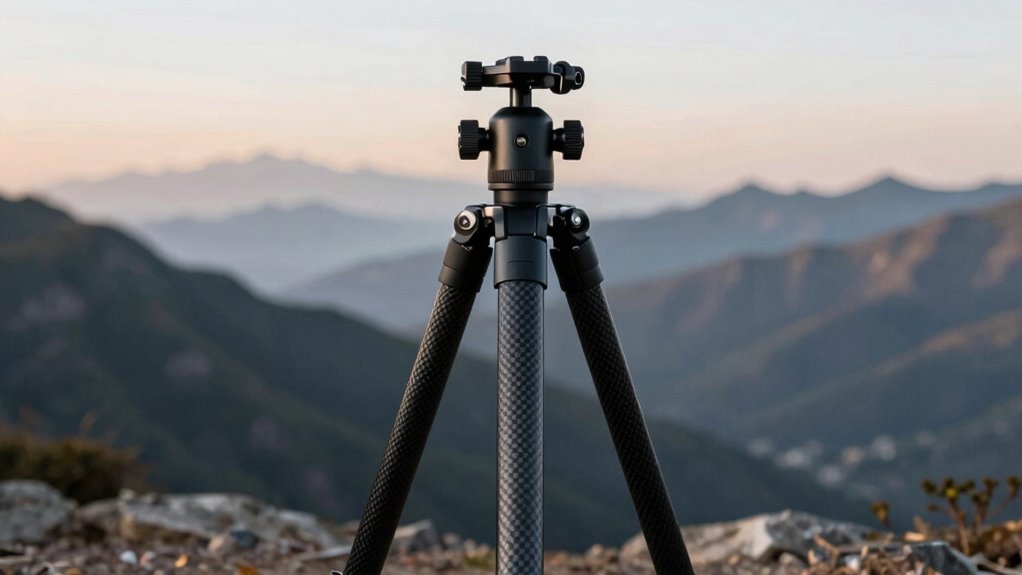
Have you ever wondered why carbon fiber tripods tend to cost more than their aluminum counterparts? The answer largely comes down to the material’s resilience and the manufacturing complexity involved in producing these high-tech supports. Carbon fiber is renowned for its exceptional strength-to-weight ratio, which means it can withstand significant stress without adding unnecessary weight. This durability is vital if you’re a photographer or videographer who needs reliable stability in challenging conditions. Unlike aluminum, which can bend or dent under pressure, carbon fiber maintains its shape and integrity over time, making it a sound investment for professionals who demand longevity and resilience from their gear.
Carbon fiber tripods offer unmatched strength-to-weight ratio and durability, making them ideal for professionals in challenging conditions.
But the real reason for the higher cost isn’t just about durability. Manufacturing complexity plays a major role. Creating a carbon fiber tripod requires a specialized process that involves weaving tiny fibers into mats, then layering and bonding these layers with resin to form a rigid composite. This process isn’t straightforward or quick; it demands precise control and advanced equipment to confirm each layer is perfectly aligned and cured. The intricate craftsmanship involved means more time, effort, and skill, all of which drive up the price. In contrast, aluminum tripods are produced through more straightforward machining and extrusion methods, making them cheaper to manufacture.
You also have to think about the raw materials. Carbon fibers are more expensive than aluminum, and sourcing high-quality fibers adds to the overall cost. Manufacturers often invest heavily in quality control to confirm each tripod meets strict standards, further contributing to the price tag. When you handle a carbon fiber tripod, you’ll notice how lightweight it feels compared to a similarly sturdy aluminum model. That weight reduction isn’t accidental; it’s a direct result of the material’s properties. Reduced weight means easier portability, especially if you’re carrying gear for extended periods or in remote locations. This benefit, however, is a luxury that comes at a higher price point due to the sophisticated manufacturing involved. Additionally, the specialized manufacturing process increases the overall cost because of the precise techniques needed to produce high-quality carbon fiber supports.
Furthermore, the production of carbon fiber components often involves advanced manufacturing techniques, which contribute to the overall higher price. The cost of raw materials is another factor that significantly influences the pricing, as high-quality carbon fibers are more costly than traditional metals. Incorporating innovative fabrication methods ensures the final product is both lightweight and durable, but also adds to the expense. A further consideration is that these precise manufacturing processes often require skilled labor, which can extend the production timeline and increase labor costs. In essence, the higher cost of carbon fiber tripods reflects their superior material resilience and the complex, meticulous process required to produce them. They offer a combination of lightness, strength, and durability that’s hard to match with aluminum. For those who need reliable support without the bulk, investing in a carbon fiber tripod makes sense, even if it means paying more upfront. The durability and performance benefits often outweigh the initial expense, especially when every shot counts.
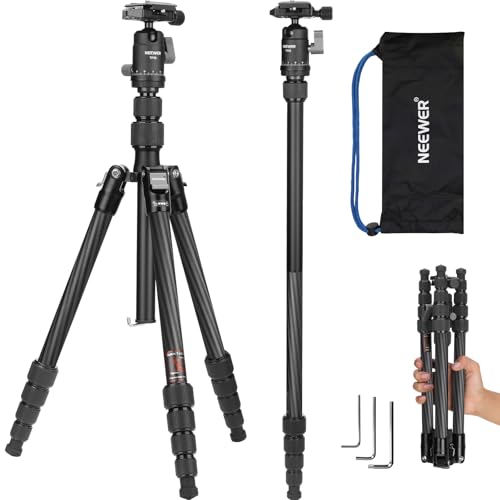
NEEWER Carbon Fiber Camera Tripod Monopod, 65" Lightweight Compact Portable Travel DSLR Video Stand, 360° Ball Head, Anti Slip QR Plate, Inverted Central Axis, Reversible Legs, Max Load 13.2 lbs, TP39
- Material: Aerospace grade carbon fiber construction
- Weight Capacity: Supports up to 13.2 lbs (6 kg)
- Portability: Lightweight at 2.2 lbs (1 kg)
As an affiliate, we earn on qualifying purchases.
As an affiliate, we earn on qualifying purchases.
Frequently Asked Questions
How Long Do Carbon Fiber Tripods Typically Last?
A carbon fiber tripod typically lasts between 5 to 10 years, depending on usage and care. The tripod material, specifically carbon fiber, offers excellent durability factors like lightweight strength and resistance to corrosion. You can prolong its lifespan by avoiding rough handling, storing it properly, and cleaning it regularly. With proper maintenance, your carbon fiber tripod can serve you reliably for many years, making it a smart investment despite its higher cost.
Are Carbon Fiber Tripods Suitable for Extreme Weather Conditions?
Yes, carbon fiber tripods are suitable for extreme weather conditions. Their weather resistance keeps moisture and temperature changes at bay, while material durability guarantees they stand up to harsh environments. You’ll find that lightweight yet sturdy, they resist corrosion and fatigue. This combination makes them reliable in snow, rain, wind, or intense sun. So, when facing extreme conditions, a carbon fiber tripod offers you resilience, stability, and dependable performance.
Can I Repair a Broken Carbon Fiber Tripod Easily?
Repairing a broken carbon fiber tripod isn’t easy because the tripod material is delicate and specialized. You generally can’t fix it with simple repair techniques like gluing or patching, as carbon fiber’s strength is hard to restore. It’s better to consult a professional or consider replacement. Attempting DIY repairs may lead to further damage, so assess whether repair or replacement makes more sense for your needs.
Do All Carbon Fiber Tripods Come With a Warranty?
They say “better safe than sorry,” and that’s true for carbon fiber tripods. Not all come with a warranty, but many do, especially from reputable brands. Check the material durability and warranty coverage before buying. A good warranty can cover repairs or replacements if your tripod breaks, giving you peace of mind. Always read the fine print so you know what’s protected and what’s not.
How Does Weight Affect Tripod Stability and Performance?
Weight directly impacts tripod stability and performance. A heavier tripod made from carbon fiber offers better material flexibility, reducing vibrations, and absorbing shocks effectively. This stability helps you capture sharp images, even in challenging conditions. Lighter tripods might be easier to carry but can compromise performance by transmitting more vibrations. So, when choosing a tripod, consider weight’s role in enhancing vibration absorption and overall stability for maximum results.
Conclusion
So, next time you’re weighing your options, ask yourself—does saving a few bucks justify sacrificing lighter weight and better stability? Carbon fiber tripods might seem pricey, but their benefits in portability and durability often outweigh the cost. After all, isn’t investing in quality worth it when every shot counts? Think about how much smoother your shoots could be with a tripod that truly supports your creativity and effort. Why settle for less when you can have the best?