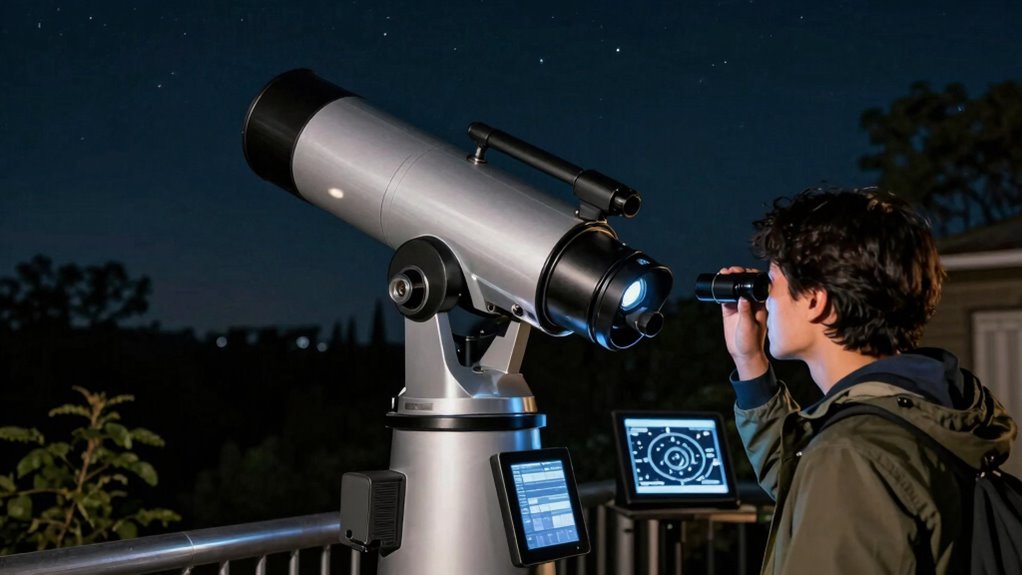

Using a computerized telescope can help you find objects quickly and easily, saving time during your stargazing sessions. However, relying solely on automatic features can prevent you from truly understanding the night sky, constellations, and celestial patterns. This passive approach may hinder developing observational skills and deeper knowledge. If you want to get the most out of your astronomy experience, exploring manual operation can lead to more meaningful learning and discovery. Keep exploring to see how you can deepen your understanding.

Get business pricing on office and shipping supplies
- Business-only prices and quantity discounts
- Tax-exempt purchasing
- Multiple users, one account, clear invoices
Key Takeaways
- Automated telescopes streamline stargazing but limit hands-on experience and understanding of celestial patterns.
- Relying solely on automation reduces opportunities to develop observational and navigation skills.
- Manual operation fosters deeper learning and a stronger connection to the night sky.
- Automation can act as a crutch, hindering long-term skill development and independence.
- Active engagement with manual methods enhances curiosity, problem-solving, and confidence in astronomy.
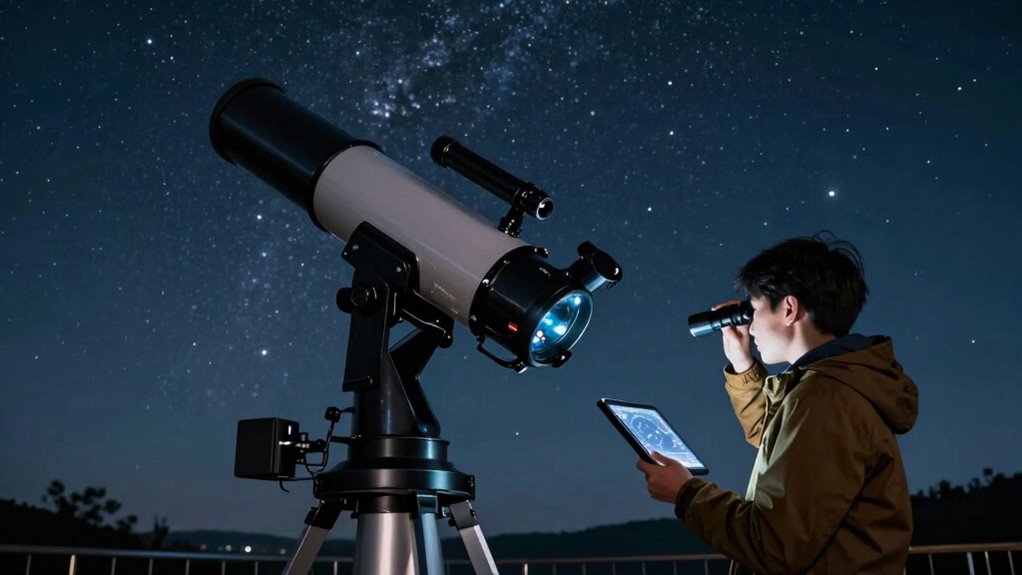
While computerized telescopes make stargazing quicker and more convenient, they often diminish the opportunity to truly learn about the night sky. When you rely solely on their automatic features, you miss out on the hands-on experience that helps you understand celestial patterns, constellations, and the movement of planets. Manual operation requires you to learn the night sky’s layout, which might seem challenging at first, but it significantly boosts your skill development. Instead of just pointing and clicking, you develop an intuitive sense of where objects are located and how they shift through the night. This process encourages curiosity and fosters a deeper connection with astronomy.
Manual telescope use deepens understanding and builds skills, transforming passive stargazing into an active, educational experience.
As you manually align your telescope and hunt for objects, you actively engage with the sky rather than passively observing through a screen. This active engagement sharpens your observational skills and enhances your ability to identify celestial features without aid. Over time, you’ll notice patterns and learn the timing of certain objects’ appearances, making your stargazing sessions more meaningful. Skill development through manual operation isn’t just about finding objects; it’s about cultivating patience, attention to detail, and problem-solving abilities as you troubleshoot alignment issues or adjust your telescope for clearer views. Developing a fundamental understanding of celestial navigation can further deepen your knowledge and confidence in exploring the night sky.
Relying on manual operation also means you’re less dependent on technology, which can sometimes fail or become outdated. When you understand the basics of star maps and celestial navigation, you can explore the night sky confidently, regardless of whether your equipment’s electronic features are functioning properly. This independence enhances your overall knowledge and makes each observing session more rewarding. Plus, it fosters a self-sufficient approach to astronomy that encourages continuous learning and exploration beyond electronic aids. Plus, it turns stargazing from a passive activity into an active learning experience that continually improves your skills.
While automated telescopes are great for quick views and discovering objects you might not find on your own, they often serve as a crutch that hampers your ability to develop a deep understanding of astronomy. If your goal is to truly learn the night sky, you need to take the time to manual operate your telescope. It may take more effort and patience initially, but the skills you gain will stay with you long after the novelty wears off. Developing proficiency with celestial navigation techniques can help you become more confident and independent in your astronomical pursuits. Ultimately, manual operation transforms stargazing into a personal journey of discovery, making each session more engaging and educational.
Additionally, understanding the basics of celestial navigation allows you to explore the sky even without electronic aids, reinforcing your knowledge and confidence.
As an affiliate, we earn on qualifying purchases.
Frequently Asked Questions
How Do Computerized Telescopes Compare in Cost to Traditional Telescopes?
Computerized telescopes tend to be more costly than traditional ones, primarily due to their advanced features and technology. If you’re considering cost efficiency and budget considerations, a traditional telescope might be more affordable upfront. However, if you value ease of use and quick setup, computerized models could save you time, though they might require a larger initial investment. Balance your needs and budget to make the best choice.
What Are the Common Technical Issues With Computerized Telescopes?
Think of computerized telescopes like a car with fancy navigation—they can have mount alignment issues that throw you off course. Common technical issues include software glitches that cause the system to freeze or misfire, making it frustrating to find celestial objects. You might also face difficulties with syncing the mount or updating firmware, which can slow down your observing session and hinder your learning experience.
Can Beginners Effectively Use Computerized Telescopes Without Prior Experience?
Yes, beginners can effectively use computerized telescopes without prior experience, but expect a learning curve. You might initially rely on manual navigation to understand the telescope’s features. As you become familiar, the computerized controls will help you locate objects more quickly. While it speeds up viewing, you still learn the night sky’s basics, making your experience more engaging and educational over time.
How Do Computerized Telescopes Impact Amateur Astronomy Communities?
Computerized telescopes boost community engagement by making celestial objects more accessible, encouraging more people to join amateur astronomy groups. However, they can sometimes hinder the development of observational skills, as users rely on the technology rather than learning to find objects manually. You might find that these telescopes foster a sense of shared discovery but could also reduce the satisfaction gained from traditional stargazing methods.
Are There Specific Astronomical Phenomena Better Observed With Manual Telescopes?
Manual telescopes excel in observing phenomena like star clusters, nebulae, and planetary details, where manual navigation and visual observation offer a richer experience. You engage more deeply with celestial objects, honing your skills and understanding. Automated systems might quickly locate objects, but manual control allows you to appreciate the beauty and complexity of the universe firsthand. For a more immersive, educational experience, manual telescopes are unbeatable for these phenomena.
Conclusion
While computerized telescopes may be like a swift river rushing past, rushing you toward the stars, they can also be a fog that clouds your understanding. You might reach your destination faster, but you miss the journey’s wonder—the dance of constellations and the stories they tell. To truly grasp the cosmos, you need to slow down and look up with your own eyes, letting your curiosity be the compass guiding you through the celestial maze.
Halloween Picks
halloween
As an affiliate, we earn on qualifying purchases.