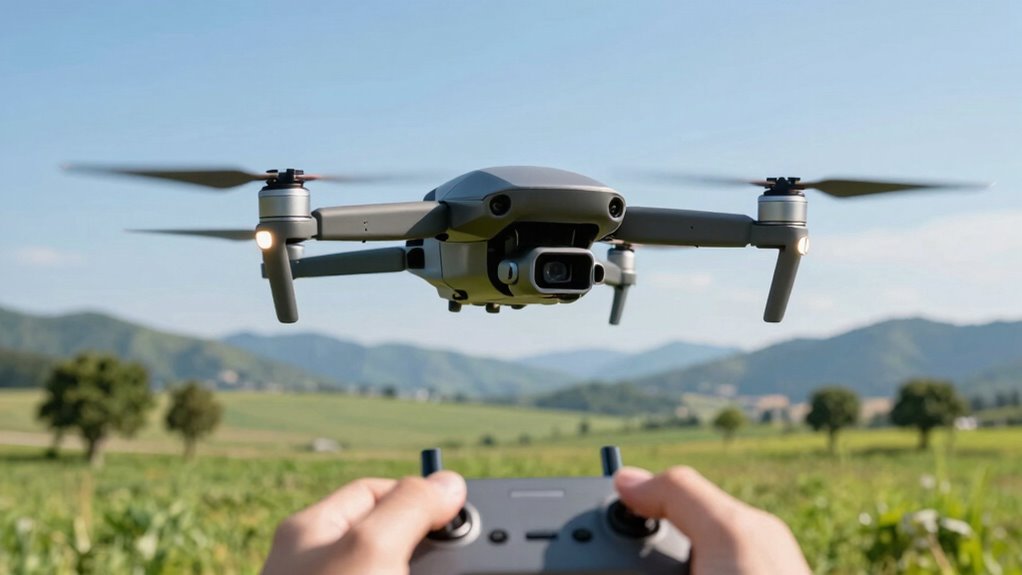

Buying a drone is simple and affordable, making it tempting to jump in. However, flying it well takes practice, patience, and understanding of navigation, regulations, and camera skills. Many new pilots underestimate how complex controlling a drone can be, especially when aiming for smooth footage and safe operation. If you keep exploring, you’ll discover tips and techniques to improve your flying and photography skills effectively.

Get office and shipping supplies delivered free — and shop member deals
- Fast, free delivery on millions of items
- Access to Prime Big Deal Days deals on October 6–7
- Prime Video, Amazon Music and more included
Key Takeaways
- Many drones are affordable and easy to purchase, but mastering their flight requires skill and practice.
- Operating a drone involves complex navigation and understanding regional regulations for safe use.
- Good aerial photography depends on advanced techniques like composition, lighting, and camera settings.
- Developing smooth control and situational awareness is essential to prevent accidents and improve footage quality.
- Staying informed about evolving drone laws and maintaining equipment are crucial for responsible flying.
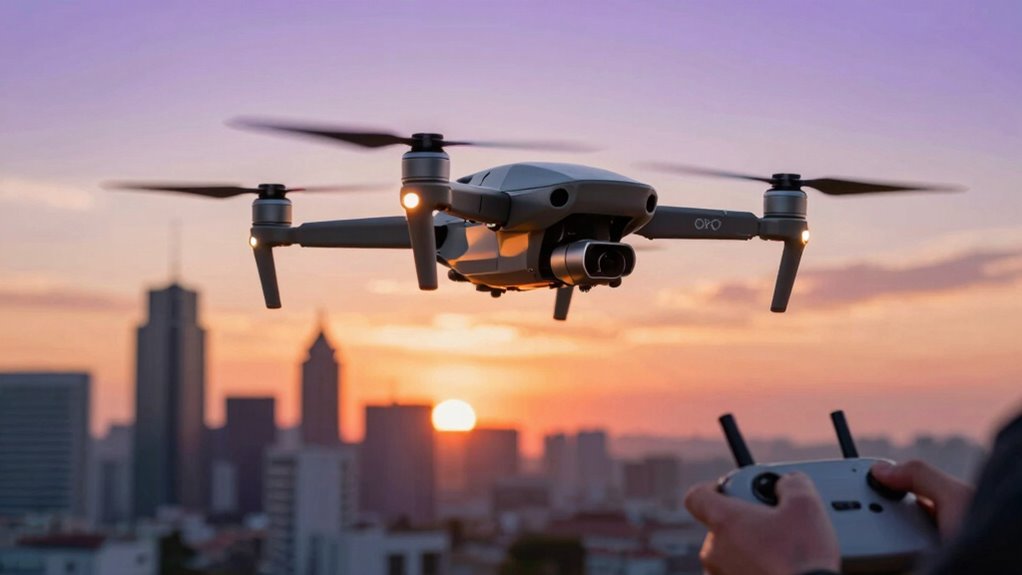
Drones are now more accessible than ever, with many models available at affordable prices, making it tempting for anyone to buy one. But just because you can purchase a drone easily doesn’t mean flying it well comes naturally. Many new pilots underestimate how complex operating a drone can be, especially when it comes to navigating regulations and mastering aerial photography techniques. You might think that simply pushing a button is enough, but real skill involves understanding the rules and honing your flying abilities.
Owning a drone is easy, but mastering safe flying and photography takes practice and knowledge.
One of the biggest hurdles you’ll face early on is understanding drone regulations. Different countries and regions have specific laws about where and when you can fly. These rules are designed to keep both drone operators and the public safe, but they can be confusing at first. For example, some areas require registration, while others have altitude limits or restricted zones near airports or crowded areas. Ignoring these regulations can lead to hefty fines or even losing your drone. To fly responsibly, you need to stay informed about local drone laws and always check for updates before each flight. This legal knowledge becomes an essential part of your flying routine, ensuring you avoid trouble and enjoy your hobby without worries.
Beyond regulations, aerial photography techniques demand a different set of skills. Getting good shots from above isn’t as simple as pointing and shooting. It takes practice to develop an eye for composition, lighting, and movement. You’ll need to learn how to control your drone smoothly, so your footage isn’t shaky or chaotic. Adjusting camera settings like exposure, focus, and framing are crucial, especially if you want professional-quality images or videos. Practice makes perfect, and experimenting with different angles and heights helps you understand what works best. Watching tutorials, studying other drone photographers, and taking time to practice in open areas can dramatically improve your aerial shots. Additionally, understanding drone regulations and how they impact your flying choices is vital for responsible operation. Developing a good understanding of aerial photography techniques can significantly elevate the quality of your images and videos. Recognizing the importance of safe flying practices can also help prevent accidents and ensure a positive experience for everyone involved. Furthermore, familiarizing yourself with drone maintenance and troubleshooting can help keep your equipment in top condition, reducing the chances of technical issues during flights. Being aware of battery management is also essential to avoid unexpected power loss mid-flight.
As an affiliate, we earn on qualifying purchases.
Frequently Asked Questions
What Are the Best Beginner Drone Models Available Now?
For the best beginner drone models, you should consider options like the DJI Mini SE or the Holy Stone HS210. These drones feature stable flight, making them easier to control, and come with decent drone cameras for capturing moments. They offer excellent flight stability, which is essential for newbies learning to fly. Plus, they’re affordable and user-friendly, helping you build confidence as you improve your flying skills.
How Much Does Professional Drone Training Typically Cost?
Think of professional drone training as revealing a secret map—you’ll need to budget around $500 to $2,000, depending on the course. It covers essential skills like drone maintenance, flight simulation, and real-world flying. While the costs seem steep, investing in proper training helps you avoid costly mistakes, sharpen your skills, and fly confidently. This foundation turns flying from a challenge into a smooth flight path.
Are There Legal Restrictions for Drone Flying in Urban Areas?
Yes, there are legal restrictions for drone flying in urban airspace. You need to follow local regulations that often restrict flying over private property, crowded areas, or near airports. Privacy concerns are also a big deal, so you should avoid capturing images or videos of people without permission. Always check your local laws before flying to stay compliant and avoid fines or penalties.
What Safety Precautions Should New Drone Pilots Follow?
As a new drone pilot, you should always prioritize safety by checking battery safety—avoid overcharging and monitor battery levels during flight. Stay weather aware, avoiding strong winds, rain, or fog that can make flying difficult or dangerous. Keep your drone within your line of sight, fly at safe altitudes, and respect local regulations. Taking these precautions guarantees you fly responsibly and reduce risks of accidents or damage.
How Long Does It Take to Become Proficient at Flying Drones?
You can become proficient at flying drones in a few weeks to a few months, depending on how often you practice. Focus on building your aerial agility and mastering flight fundamentals like steady control and smooth maneuvers. Regular practice helps improve your skills, and as you gain confidence, you’ll handle your drone more smoothly and safely. Dedicate time to learning and practicing consistently, and you’ll see progress faster.
Conclusion
Think of flying a drone like steering a tiny ship on a vast, unpredictable sea. It might be tempting to grab one and set sail, but mastering the craft takes patience and practice. So, don’t rush to navigate every wave right away. Instead, learn to read the winds and currents—your controls—step by step. Only then will you truly command your drone’s journey, turning a simple purchase into a voyage of skill and discovery.
Halloween Picks
halloween
As an affiliate, we earn on qualifying purchases.