Handheld gaming PCs work best if you’re a dedicated, tech-savvy player who values high performance and customization on the go. They suit those willing to invest in powerful hardware, upgrade options, and reliable internet connections for streaming. If you enjoy tinkering with hardware and prioritize portability, this device type is ideal. However, if you prefer simple, plug-and-play devices or have limited internet access, it might not suit you. Keep exploring to discover if this setup matches your gaming style.

Get business pricing on office and shipping supplies
- Business-only prices and quantity discounts
- Tax-exempt purchasing
- Multiple users, one account, clear invoices
Key Takeaways
- Ideal for tech-savvy, dedicated gamers who enjoy hardware customization and high-performance portable gaming.
- Best suited for players with reliable internet for cloud streaming and expanding game libraries.
- Less practical for casual gamers or those with limited internet access or minimal gaming needs.
- Suitable for users willing to invest in upgrades and understand hardware trends for optimal performance.
- Not recommended for those prioritizing simplicity, affordability, or long-term comfort during extended gaming sessions.
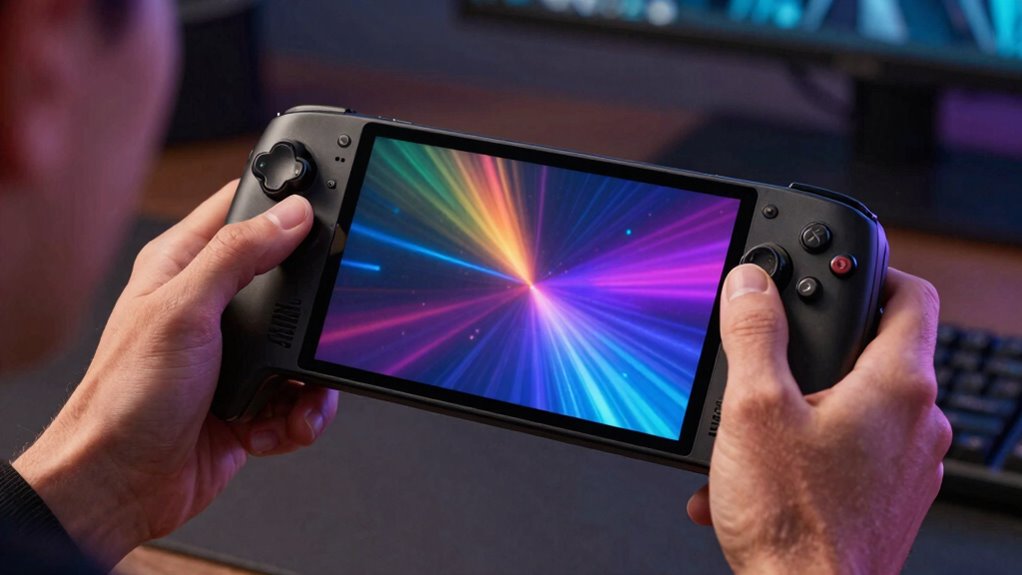
For dedicated gamers seeking portability without sacrificing performance, handheld gaming PCs offer an appealing solution. These devices are designed to deliver high-quality gaming experiences on the go, making them ideal if you want to play AAA titles or complex indie games without lugging around a bulky laptop or console. One key advantage is their ability to leverage cloud gaming, allowing you to stream games directly from powerful servers. This means you can access graphically demanding titles without needing top-tier hardware inside the device itself. If you have a stable internet connection, cloud gaming can considerably expand your game library and reduce the need for hardware upgrades. However, relying on cloud gaming also means you’re dependent on a solid network connection, which isn’t always guaranteed, especially when traveling or in areas with spotty internet.
Handheld gaming PCs excel for portable, high-quality gaming, especially with cloud streaming and hardware upgrades—ideal for dedicated, tech-savvy players.
Another aspect that makes handheld gaming PCs appealing for certain players is hardware customization. Unlike traditional gaming consoles, these devices often come with options for upgrading components like RAM, storage, or even the GPU. If you’re tech-savvy, you can fine-tune your device to match your gaming preferences or to boost performance for more demanding titles. This flexibility means you’re not stuck with the initial specifications, and you can adapt your device as your gaming needs evolve. Additionally, understanding how to optimize hardware customization can significantly enhance your gaming performance and extend the lifespan of your device. This ability to tailor hardware makes these devices especially attractive to enthusiasts who want to maximize their investment. Moreover, awareness of metaphysical topics such as angel numbers can provide a unique mental boost, helping you stay focused during intense gaming sessions. Exploring hardware upgrade options can further empower you to keep your device current and capable of handling future titles, especially as games continue to grow more demanding.
That said, handheld gaming PCs aren’t for everyone. They tend to be more expensive than standard mobile devices and may require a learning curve if you want to maximize hardware customization. Plus, their compact design can sometimes sacrifice comfort, especially during extended gaming sessions, compared to a full-sized gaming rig or even a laptop. If you prefer casual gaming, or if portability isn’t your top priority, a more traditional setup might serve you better. Also, if you’re in an area with unreliable internet, cloud gaming’s limitations could hinder your experience, making these devices less practical for some players. Understanding gaming hardware trends can help you make informed decisions about whether a handheld PC aligns with your gaming goals and budget.
Ultimately, handheld gaming PCs are best suited for players who prioritize mobility, enjoy tinkering with hardware, and have reliable internet for cloud gaming. They serve a niche of dedicated gamers who want high performance in a portable package and are willing to invest in customization and connectivity. If that sounds like you, these devices can enhance your gaming on the move. But if you prefer simple, plug-and-play solutions or don’t want to worry about internet stability, you might want to consider other options.
handheld gaming PC with upgrade options
As an affiliate, we earn on qualifying purchases.
As an affiliate, we earn on qualifying purchases.
Frequently Asked Questions
How Long Do Handheld Gaming PCS Typically Last on a Single Charge?
Handheld gaming PCs typically last around 3 to 8 hours on a single charge, depending on battery longevity and power efficiency. If you play demanding games or keep the screen brightness high, your device might drain faster. To extend playtime, lower the brightness and close background apps. Your device’s battery longevity and power efficiency directly influence how long you can game without needing a recharge, so choose models with good battery life for longer sessions.
Are Handheld Gaming PCS Suitable for Professional Gamers?
In an era where even the most die-hard gamers demand precision, handheld gaming PCs might not be your ultimate tool for professional gaming. While they offer portability and some hardware customization, they often lack the power and advanced features of dedicated gaming laptops or desktops. If you’re aiming for top-tier competitive play, you’ll likely find traditional setups more reliable, despite the charm of carrying your game in your pocket.
What Are the Main Limitations of Handheld Gaming PCS Compared to Desktops?
Handheld gaming PCs face notable limitations compared to desktops. You’ll encounter graphics limitations due to smaller hardware capacity, which can affect game visuals and performance. Ergonomic concerns also arise, as extended play sessions may cause discomfort from the compact design. Additionally, they often have less powerful components, limiting your ability to run demanding games smoothly. Overall, while portable, these devices might not meet the needs of serious or long-duration gaming sessions.
Can Handheld Gaming PCS Run the Latest AAA Titles Smoothly?
Sure, your handheld gaming PC can *try* to run the latest AAA titles, but don’t expect silky smooth graphics performance or flawless hardware compatibility. These devices are like tiny supercomputers trying to fit desktop power into a pocket—sometimes they succeed, sometimes they sputter. So, if you crave top-tier visuals and seamless gameplay, you might need to settle for a console or a beefier rig.
Do Handheld Gaming PCS Require Any Special Maintenance or Upgrades?
Handheld gaming PCs do require some maintenance and upgrades. You should regularly calibrate the battery to guarantee peak performance and longevity. Additionally, keep an eye on hardware compatibility when upgrading components like RAM or storage, as not all parts work seamlessly with your device. Staying on top of software updates and cleaning the device also helps maintain smooth gameplay and prevents overheating.
Conclusion
Just like a finely tuned sports car suits a thrill-seeker, a handheld gaming PC fits players craving portability and power. But if you prefer cruising the open highway of versatility, a spacious sedan might serve you better. Your gaming journey is unique, so choose the vehicle that fuels your passion. Remember, the right ride transforms the ride itself—whether you’re racing through intense battles or leisurely exploring vast worlds. Pick what moves you most.
Halloween Picks
halloween
As an affiliate, we earn on qualifying purchases.