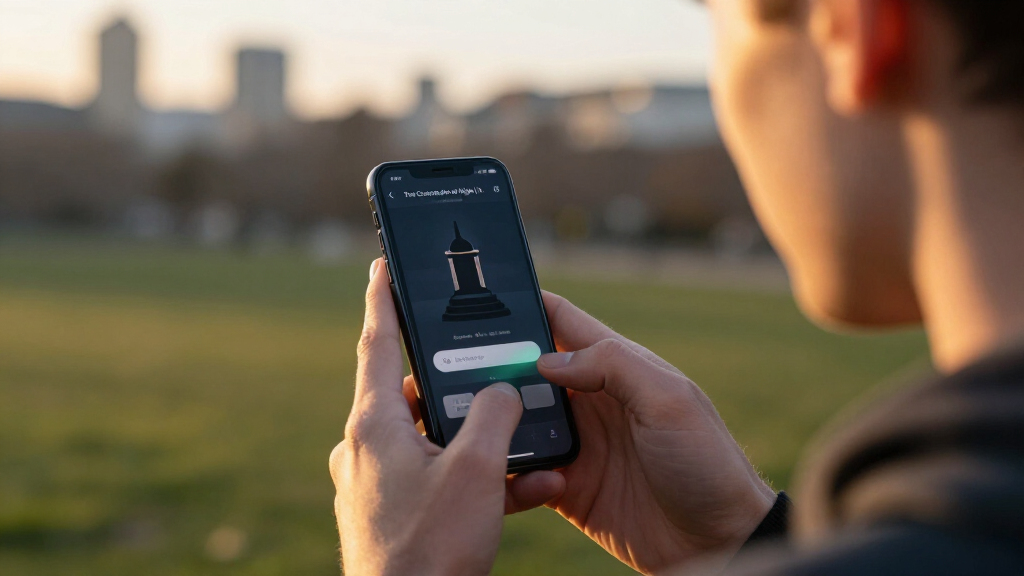

🔍 Read the full analysis: Steal This: The Signature Technique Behind “The Cenotaph At Night | A Two-Minute Vigil” on ThorstenMeyerAI.com

Get business pricing on office and shipping supplies
- Business-only prices and quantity discounts
- Tax-exempt purchasing
- Multiple users, one account, clear invoices
TL;DR
This article examines the unique design and technical approach behind ‘The Cenotaph at Night | A Two-Minute,’ a digital memorial emphasizing silence and materiality. It highlights the deliberate restraint and innovative CSS techniques that create a meditative experience, with insights into its significance and what remains to be clarified.
‘The Cenotaph at Night | A Two-Minute‘ is a digital memorial that uses minimal interaction and disciplined design to evoke solemn remembrance. Its core feature is a static, floodlit photograph paired with a scrolling clock that transitions from 23:58 to midnight, revealing names and inscriptions, emphasizing stillness over spectacle. This approach transforms digital space into a quiet moment of reflection, making it a notable example of restraint in interactive memorial design.
The experience centers around a carefully curated palette inspired by nocturnal stonework and subdued materials, with a sharp poppy red accent signifying remembrance. It employs a static, floodlit architectural photograph stored locally, avoiding looping videos or animations to maintain a meditative tone. The core interaction involves a scroll-driven clock that updates from 23:58 to midnight, with a class toggle that dims the clock, pauses grain and petals, and reveals names and inscriptions. Names are dynamically generated but presented as a semantic list, accessible to screen readers.
The design employs CSS techniques such as cover cropping, monochrome grading, and precise sizing to ensure visual consistency across devices. Optional sound effects, like low tones and wind at midnight, fade out to reinforce solemnity. The experience is built solely with HTML, CSS, and vanilla JavaScript, with no external assets or frameworks, emphasizing purity of form and materiality. The site’s signature lies in this disciplined restraint—focusing on materiality and timed silence rather than motion or performance.
The Signature Technique Behind “The Cenotaph at Night”
A two-minute digital vigil built on deliberate restraint: a static floodlit photograph, a scroll-driven clock ticking from 23:58 to midnight, and silence where other sites put spectacle. Here is exactly how it works — and how to borrow it.
Why This Digital Memorial Matters
Restraint and material focus create powerful emotional experiences. By avoiding animation and multimedia, the memorial shifts attention to stillness — offering a model for designers, memorial creators, and cultural institutions seeking solemnity without sensory overload.
Nocturnal Stonework Palette
A curated palette drawn from floodlit stone and subdued materials, punctuated by a single poppy red accent signifying remembrance. No looping video, no animation — one static architectural photograph, stored locally.
The Two-Minute Structure
The design brief mandated a static scene, minimal interaction, and timed silence — aligning with contemporary trends toward meditative digital experiences rather than performance-driven web design.
Semantic Names, Readable by All
Dynamically generated names are presented as a semantic list, fully accessible to screen readers. Self-hosted fonts and no external dependencies ensure flawless, consistent rendering across every device.
The Scroll-Driven Clock, Step by Step
The signature move: a single class toggle at midnight transforms the entire page state. Four stages, orchestrated by scroll position.
23:58 — Approach
The clock begins ticking as the visitor scrolls. A static, floodlit photograph holds the frame; subtle film grain and drifting petals animate the margins.
23:59 — Descent
Cover cropping and monochrome grading keep the scene consistent across viewports. Optional low tones and wind build anticipation.
00:00 — Midnight Toggle
A class toggle fires: the clock dims, grain and petals pause, and sound fades out. The page goes still — the two-minute vigil begins.
Reveal — The Names
Names and inscriptions surface as a semantic list. Sound has dissolved; only the static image and the roll of remembrance remain.
Steal These Methods
The complete technical toolkit — what the memorial uses, and what it deliberately leaves out.
| Technique | Used | Purpose | Borrow It For |
|---|---|---|---|
| Cover Cropping | ✓ | Visual consistency of the photograph across all devices and aspect ratios | Hero imagery, full-bleed photography |
| Monochrome Grading | ✓ | Nocturnal stonework tone; single accent colour pops against it | Editorial layouts, archival projects |
| Class-Toggle State Machine | ✓ | One midnight toggle dims the clock, pauses grain, reveals names | Scroll narratives, timed reveals |
| Looping Video | ✗ | Rejected — breaks the meditative, material tone | Deliberately avoided |
| Frameworks / CDNs | ✗ | Zero external assets — purity of form and materiality | Deliberately avoided |
| Optional Ambient Sound | ~ | Low tones and wind that fade out at midnight to reinforce solemnity | Immersive storytelling |
| Semantic Name Lists | ✓ | Dynamically generated yet screen-reader accessible | Any data-driven memorial or archive |
Pure Stack, Measured Weight
Built solely with HTML, CSS, and vanilla JavaScript — no external assets or frameworks. Every element earns its place through critique-driven elimination of unnecessary motion.
CSS-Only Visuals
Cover cropping, monochrome grading, and precise sizing handled entirely in stylesheets for device consistency.
Vanilla JS Only
A minimal script drives the clock and the midnight class toggle — nothing more, nothing cached from a CDN.
Critique Before Deploy
Rigorous review eliminated excess motion, optimized performance, and hardened accessibility before launch.
What Remains Unresolved
The technical choices are confirmed; their long-term reception and adaptability are still under observation.
How does the experience guide reflection?
A scroll-driven clock transitions from 23:58 to midnight, followed by a moment of silence where names and inscriptions are revealed — fostering a meditative state.
Why avoid animation and multimedia?
Their absence creates a contemplative, undistracted space emphasizing stillness and material presence, reinforcing the memorial’s solemn purpose.
Are there plans to expand the site?
Future work includes user feedback collection, accessibility improvements, and possible new features — while preserving the core theme of restraint and silence.
What happens next?
As part of an ongoing exhibition of 175 AI-crafted sites, it may be curated alongside new works exploring silence and materiality, with impact analysis expected in coming months.
Why This Digital Memorial Matters
‘The Cenotaph at Night | A Two-Minute’ exemplifies how restraint and material focus can create powerful emotional experiences in digital memorials. Its deliberate avoidance of animation and spectacle shifts the emphasis to stillness, encouraging viewers to reflect on loss and remembrance in a contemplative way. This approach offers a model for future digital memorials seeking to evoke solemnity without overwhelming sensory input, making it relevant for designers, memorial creators, and cultural institutions alike.
As an affiliate, we earn on qualifying purchases.
Design Principles and Technical Foundations
This project is part of an exhibition of 175 AI-crafted websites, each exploring different themes through disciplined design. ‘The Cenotaph at Night’ was developed with a focus on simplicity, accessibility, and device consistency, emphasizing materiality over motion. Its design brief mandated a static scene, minimal interaction, and a focus on timed silence, aligning with contemporary trends toward meditative digital experiences. The site’s technical foundation relies on pure HTML, CSS, and JavaScript, with self-hosted fonts and no external dependencies, ensuring flawless rendering across devices.
Prior to deployment, the design underwent rigorous critique to eliminate unnecessary motion, optimize performance, and enhance accessibility. The result is a site that embodies restraint, with carefully orchestrated load moments and scroll-driven interactions that reinforce its contemplative purpose.
Unresolved Aspects and Future Clarifications
It is not yet clear how the experience will be received by diverse audiences over time or how adaptable the design is to future accessibility standards. Additionally, the long-term impact of such restraint-focused memorials on digital remembrance practices remains to be studied. The technical choices, such as the reliance on CSS and vanilla JS, are confirmed, but their performance in varied browser environments warrants ongoing observation.
Next Steps for the Digital Memorial
Future developments may include user feedback collection to assess emotional impact, potential adaptations for mobile devices, and integration of additional accessibility features. As the site is part of an ongoing exhibition, it may also be curated alongside new works that explore similar themes of silence and materiality. Further analysis of its influence on digital memorial design is expected to emerge over the coming months.
Key Questions
What is the main design principle behind ‘The Cenotaph at Night | A Two-Minute’?
The main principle is restraint and materiality, emphasizing silence, static visuals, and timed interactions to evoke reflection without distraction.
How does the experience guide visitors to reflect?
The experience uses a scroll-driven clock that transitions from 23:58 to midnight, followed by a moment of silence where names and inscriptions are revealed, fostering a meditative state.
What technical methods were used to create this memorial?
It was built with pure HTML, CSS, and vanilla JavaScript, utilizing CSS techniques like cover cropping, monochrome grading, and precise sizing to ensure visual consistency and performance across devices.
Are there plans to expand or modify the site?
Future plans include gathering user feedback, exploring accessibility improvements, and possibly integrating additional features while maintaining the core theme of restraint and silence.
Why does the site avoid animation and multimedia elements?
The absence of animation and multimedia aligns with the goal of creating a contemplative, undistracted space that emphasizes stillness and material presence, reinforcing the memorial’s solemn purpose.
Source: ThorstenMeyerAI.com
Fall Picks
fall essentials
As an affiliate, we earn on qualifying purchases.