
📊 Full opportunity report: The Memory Squeeze: Why Your RAM Bill Doubled on ThorstenMeyerAI.com — validation score, market gap, and execution plan.

Get business pricing on office and shipping supplies
- Business-only prices and quantity discounts
- Tax-exempt purchasing
- Multiple users, one account, clear invoices
TL;DR
DRAM prices have surged by 90% in early 2026, with consumer RAM costs doubling. The shortage stems from manufacturers reallocating capacity toward AI hardware, not supply disruptions. This shift is causing widespread price increases and supply constraints.
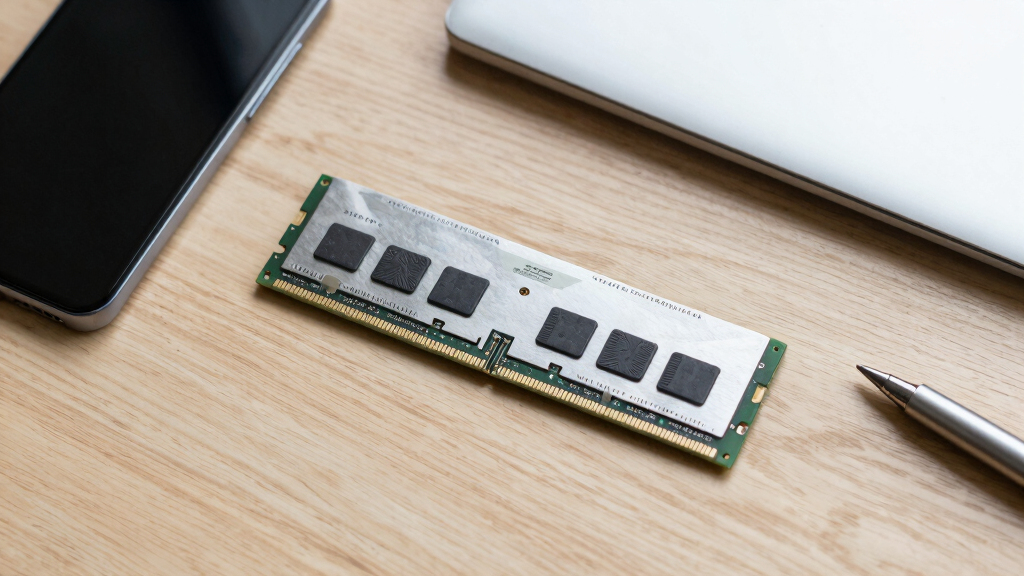
DRAM prices have roughly doubled in 2026, with consumer 32GB kits now costing around $375, up from about $80–$120 in 2025, according to Tom’s Hardware tracker. This dramatic rise is driven by a fundamental shift in chip manufacturing priorities, making memory costs a major concern for consumers and industry alike.
The surge in DRAM prices is primarily due to a reallocation of manufacturing capacity from consumer-grade RAM to high-margin AI memory modules, such as High Bandwidth Memory (HBM). Three companies—Samsung, SK Hynix, and Micron—control nearly all DRAM production, and are now prioritizing AI hardware, which yields significantly higher profits per wafer.
HBM modules sell for $60–$100 each, compared to $5–$10 for standard DDR5, incentivizing manufacturers to divert wafer space toward AI-related products. This shift results in a reduction of wafer output dedicated to consumer DRAM, with HBM now occupying around 23% of total DRAM wafer production, up from 19% in 2025. As a result, supply constraints persist despite demand growth, with prices rising roughly 90% in the first quarter of 2026 alone.
Manufacturers are managing scarcity by maintaining high margins and limiting capacity expansion. The industry’s focus on high-margin products and long-term contracts with large buyers—such as hyperscalers—has led to a supply shortage that is unlikely to resolve quickly, with new capacity not expected until 2027–2028.
Why your RAM bill doubled
“Doubled” is the polite version — consumer DRAM is running 3–6× its 2024 lows. The boom-bust cycle that always brought cheap RAM back isn’t coming this time, because the factories that make your RAM now make something far more profitable instead.
HBM
This is the quiet tax on the whole AI era. Relief isn’t forecast before 2028, and even then prices may settle 30–50% above pre-crisis levels. Buy what you genuinely need now; don’t panic-buy capacity you won’t use. You can’t out-wait the fab math — but, as this series will show, you can shrink what you need. Next: HBM Ate the Fab.
Why the Memory Shortage Has Lasting Impact
This shortage significantly affects the entire PC and enterprise hardware ecosystem. Consumers face higher prices for RAM modules, and PC builders are seeing memory become the most expensive component, with some reports indicating RAM accounting for up to 35% of total build costs. Major brands like Apple and Dell are passing on increased costs through price hikes, which could slow consumer demand.
Furthermore, the shift toward AI hardware is reshaping the memory market, with capacity being deliberately diverted away from consumer products. This change signals a structural transformation, making the traditional supply-demand cycle less effective at restoring equilibrium and prolonging price pressures.
As an affiliate, we earn on qualifying purchases.
The 2026 Shift in DRAM Manufacturing Priorities
Over the past year, DRAM prices have surged dramatically, with 32GB DDR5 kits rising from under $150 to over $370. Historically, memory shortages eased when new capacity flooded the market, but this time, the primary driver is a strategic reallocation of wafer space toward AI hardware, which offers higher profitability. The three dominant DRAM manufacturers—Samsung, SK Hynix, and Micron—have shifted focus to high-margin products like HBM, which are less efficient in wafer usage but far more profitable.
Despite the increased prices, capacity expansion is delayed, with new fabs not expected to contribute significantly until 2027–2028. Industry insiders note that manufacturers are intentionally managing scarcity to preserve margins, rather than rushing to increase supply, a departure from past cycles.
“Suppliers are managing scarcity deliberately, favoring record margins over increasing supply, which prolongs the shortage.”
— A supply chain source familiar with the industry
Unresolved Questions About Future Supply and Prices
It remains unclear how long the current capacity reallocation will persist and whether new fabs will accelerate supply growth. Industry insiders suggest that manufacturers are intentionally managing scarcity, making it uncertain when prices will stabilize or decrease. Additionally, the impact of long-term contracts with large buyers on overall supply availability and pricing remains under analysis, and the potential for market interventions or antitrust actions is still unconfirmed.
Expected Developments in the DRAM Market Through 2026–2028
Manufacturers are expected to continue prioritizing AI-related memory production through 2027–2028, delaying significant capacity expansion for consumer RAM. New fabs are projected to come online gradually, but their impact on prices may be limited initially. Consumers and OEMs should prepare for ongoing high prices and potential shortages, with some industry analysts predicting that prices may remain elevated until new capacity stabilizes the market. Meanwhile, the industry’s focus on high-margin AI hardware suggests that the traditional cycle of glut and crash may be fundamentally altered for the foreseeable future.
Key Questions
Why have DRAM prices increased so dramatically in 2026?
Prices rose mainly because manufacturers shifted capacity toward AI-focused memory modules like HBM, which are far more profitable than standard consumer RAM. This reallocation has reduced overall supply for consumer DRAM, creating shortages and price hikes.
Will RAM prices return to normal soon?
Not immediately. Industry insiders suggest that capacity expansion is delayed until at least 2027–2028, and manufacturers are managing scarcity to maintain high margins, so prices may remain high for several years.
How does this shift affect consumers and PC builders?
Consumers face higher costs for RAM modules, and PC builders are experiencing increased component prices, which could slow demand or lead to higher retail prices for finished products.
Is there a risk of further shortages or counterfeit memory modules?
Yes, shortages may persist, and counterfeit modules have already started appearing due to high prices and demand. The ongoing capacity shift makes supply less predictable.
Source: ThorstenMeyerAI.com
Fall Picks
fall essentials
As an affiliate, we earn on qualifying purchases.