
TL;DR

Get business pricing on office and shipping supplies
- Business-only prices and quantity discounts
- Tax-exempt purchasing
- Multiple users, one account, clear invoices
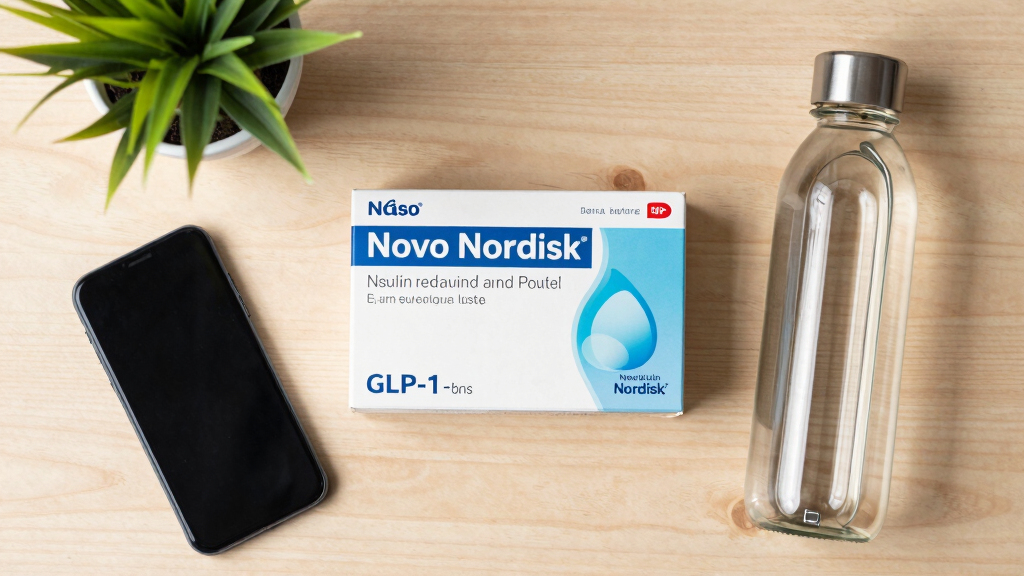
Fangzhou has begun offering Novo Nordisk’s once-weekly basal insulin and GLP-1 combination therapy in China. This marks a significant step in expanding access to advanced diabetes treatments in the Chinese market. Details on approval timelines and patient coverage are still emerging.
Fangzhou has officially launched Novo Nordisk’s once-weekly basal insulin and GLP-1 receptor agonist therapy in China, making it the first such treatment available in the country. This development is significant for patients with type 2 diabetes and healthcare providers seeking innovative management options. The launch aligns with Novo Nordisk’s broader strategy to expand access to its advanced diabetes therapies in China, the world’s largest market for such treatments.
The therapy combines Novo Nordisk’s weekly basal insulin with a GLP-1 receptor agonist, designed to improve blood sugar control with fewer injections. According to Fangzhou, the product is now available through select healthcare providers across China. The launch follows regulatory approval by Chinese authorities, which was announced earlier this year.
Fangzhou, a major pharmaceutical distributor in China, stated that the new therapy aims to meet the growing demand for effective, convenient diabetes treatments. While specific pricing and coverage details are still being finalized, the company emphasized its commitment to making the therapy accessible to a broad patient base. It is not yet clear whether insurance coverage will be available immediately or if the therapy will be included in national reimbursement schemes.
Impact of the Weekly Insulin/GLP-1 Launch in China
This launch represents a significant advancement in diabetes management in China. The availability of a once-weekly combination therapy could improve patient adherence, reduce treatment burden, and potentially lead to better glycemic control. It also signals increased market competition and the entry of innovative biologics into the Chinese healthcare system, which could influence pricing and access.
Healthcare professionals and patients now have access to a therapy that offers the convenience of weekly dosing, which may improve long-term treatment compliance. The move aligns with global trends toward combination therapies that simplify complex regimens and improve outcomes for people with type 2 diabetes.
once weekly basal insulin medication
As an affiliate, we earn on qualifying purchases.
As an affiliate, we earn on qualifying purchases.
Regulatory and Market Context for Diabetes Treatments in China
China has seen rapid growth in diabetes prevalence, with over 100 million adults affected, making it the country with the highest number of diabetes cases worldwide. Regulatory agencies have increasingly approved innovative treatments, including biologics and combination therapies, to address this health challenge.
Previously, most treatments required daily injections, which could impact adherence. The approval and launch of a once-weekly therapy reflect regulatory support for novel treatment modalities and a market eager for more effective and convenient options.
Fangzhou’s partnership with Novo Nordisk is part of a broader trend of collaboration between local distributors and international pharma companies to expand access to advanced therapies in China.
“We are proud to introduce this innovative therapy to Chinese patients, offering a new level of convenience and efficacy in diabetes management.”
— Fangzhou spokesperson
Details on Insurance Coverage and Patient Access
It is not yet clear whether the therapy will be covered by Chinese health insurance schemes immediately or if patients will face high out-of-pocket costs initially. The specifics of pricing, reimbursement, and regional availability are still being finalized and may vary across different provinces.
Further regulatory and market developments could influence how broadly and quickly the therapy is adopted across China.
Next Steps for Market Adoption and Regulatory Updates
Fangzhou and Novo Nordisk are expected to expand distribution channels and conduct clinical follow-ups to monitor real-world efficacy and safety. Additional regulatory approvals or reimbursement agreements may be announced in the coming months, potentially broadening access.
Healthcare providers are preparing to incorporate this new therapy into treatment protocols, and patient education initiatives are likely to follow to ensure proper understanding and use of the weekly regimen.
Key Questions
What is the new therapy launched in China?
The therapy combines Novo Nordisk’s weekly basal insulin with a GLP-1 receptor agonist, designed to improve blood sugar control with fewer injections.
Who is distributing the therapy in China?
Fangzhou, a major Chinese pharmaceutical distributor, is responsible for launching and distributing the treatment.
When did the therapy become available?
The launch was announced in March 2024, following regulatory approval earlier this year.
Will this therapy be covered by insurance?
It is not yet clear whether insurance coverage will be immediately available. Details on reimbursement are still being finalized.
What are the benefits of a weekly insulin/GLP-1 therapy?
The main benefits include improved patient adherence, reduced treatment burden, and potentially better long-term blood sugar control.
Source: primary
Halloween Picks
halloween
As an affiliate, we earn on qualifying purchases.