
📊 Full opportunity report: Voice Training Made Accessible: Pocket Voice Lab’s Mobile Biofeedback Platform on IdeaNavigator AI — validation score, market gap, and execution plan.

Get office and shipping supplies delivered free — and shop member deals
- Fast, free delivery on millions of items
- Access to Prime Big Deal Days deals on October 6–7
- Prime Video, Amazon Music and more included
TL;DR
Pocket Voice Lab has released a mobile app offering real-time acoustic biofeedback for voice training. It aims to help users improve pitch, resonance, and reduce strain, especially for transgender voice work and public speakers. The app is currently in pilot testing with a freemium model planned.
Pocket Voice Lab has introduced a mobile biofeedback platform aimed at making voice training more accessible for individuals seeking to modify or strengthen their voice. The app provides real-time visual feedback on pitch, resonance, and strain, addressing a significant gap in current voice coaching options. This development is particularly relevant for transgender and gender-nonconforming people, public speakers, and singers who often lack easy access to in-person speech-language pathology or vocal coaching.
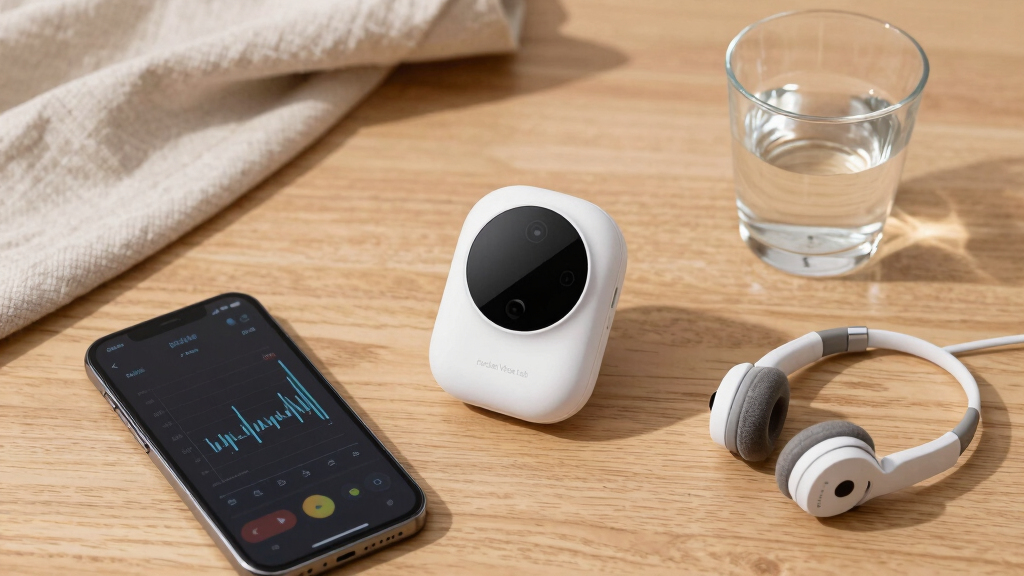
The platform leverages smartphone microphones and on-device analysis to deliver immediate acoustic feedback, a breakthrough enabled by advances in smartphone hardware and scientific research. The app records short voice samples, analyzes fundamental pitch and formant resonance, and displays visual cues to guide users during exercises. It also offers a basic strain indicator based on harmonic-to-noise ratio. The initial version includes 8-12 guided exercises tailored for gender-affirming voice work, along with progress tracking features that users can share with clinicians.
According to the developers, the app is designed as a first-step workflow for individuals who want to practice voice modification outside of clinical or coaching sessions. The plan is to offer a freemium subscription model, with a free tier providing daily exercises and a paid tier (~$8-15/month) unlocking unlimited sessions, full progress history, and shareable reports. The platform aims to serve a large market, especially in gender-affirming voice care, where access to affordable, objective feedback is limited. The app is currently being tested through a pilot program involving trans voice-training communities and public speakers, with success metrics including user engagement and willingness to pay.
Impact on Accessibility and Voice Practice
This development could significantly improve access to objective, real-time voice feedback for individuals who cannot regularly visit speech-language pathologists or vocal coaches. It addresses a major gap in affordable, scalable voice training tools, particularly benefiting transgender and gender-nonconforming people seeking gender-affirming voice modifications. By enabling users to practice safely and monitor progress independently, the app could enhance motivation, consistency, and outcomes in voice training. It also opens new possibilities for clinicians to remotely monitor and support their clients, potentially reducing costs and increasing reach.
voice biofeedback app for speech training
As an affiliate, we earn on qualifying purchases.
As an affiliate, we earn on qualifying purchases.
Growing Demand for Objective Voice Training Tools
Recent scientific work treats voice as a clinical biomarker, with peer-reviewed research validating acoustic parameters like pitch, jitter, shimmer, and harmonic-to-noise ratio as indicators of vocal health and gender-affirming goals. Academic prototypes such as TruVox and Attuned have demonstrated the feasibility of real-time biofeedback. The market for voice training apps has expanded rapidly, with over 4 million downloads of AI-powered coaching tools like Vocal Image, indicating strong consumer demand. The gender-affirming voice care gap remains large, with many individuals unable to access consistent, objective feedback during self-directed practice.
Advances in smartphone hardware and AI analysis now make it possible to deliver lab-quality feedback on mobile devices, creating opportunities for scalable, affordable voice training solutions outside clinical settings. The current pilot aims to validate whether users will engage consistently and be willing to pay for ongoing access.
“The integration of real-time acoustic analysis into a mobile app represents a significant step forward in accessible voice training.”
— an anonymous researcher
Uncertainties About User Adoption and Effectiveness
It is not yet clear how widely the app will be adopted beyond early pilot users, or how effective it will be in achieving long-term voice modification goals. The pilot metrics, such as engagement rates and willingness to pay, are still being collected, and the impact on clinical outcomes remains to be validated through further studies.
Next Steps in Validation and Expansion
The team plans to analyze pilot results over the coming months, refine the app’s features based on user feedback, and expand testing to broader communities. They aim to establish clear efficacy metrics and potentially launch a full commercial version with expanded exercises and multi-voice options. Additionally, partnerships with clinics and advocacy groups are being explored to integrate the platform into broader voice care services.
Key Questions
How does the app provide real-time feedback?
The app uses smartphone microphones to analyze pitch and resonance during exercises, displaying visual cues to guide users in adjusting their voice accordingly.
Who is the target audience for this app?
The primary users are transgender and gender-nonconforming individuals seeking voice modification, as well as public speakers and singers wanting to improve their vocal performance.
Is the app currently available for download?
The app is in pilot testing and not yet publicly available. Interested users can sign up for early access or wait for the full launch.
How much will the paid subscription cost?
The planned subscription fee is approximately $8-15 per month, offering unlimited sessions, full progress tracking, and shareable reports.
What are the main limitations of the current version?
The initial version offers a limited set of exercises focused on gender-affirming voice work and is undergoing testing to validate its effectiveness and user engagement.
Source: IdeaNavigator AI
Halloween Picks
halloween
As an affiliate, we earn on qualifying purchases.