
📊 Full opportunity report: How Pre-Demo Condition Reports Reduce Risks In Vintage Home Purchases on IdeaNavigator AI — validation score, market gap, and execution plan.

Get business pricing on office and shipping supplies
- Business-only prices and quantity discounts
- Tax-exempt purchasing
- Multiple users, one account, clear invoices
TL;DR
A new workflow for pre-1980 fixer home buyers offers pre-demo condition reports based on guided scans and mail-in tests. This approach aims to reduce renovation risks and costs by providing early insights into hidden hazards. The method is currently being validated through pilot sales and comparisons against actual demo findings.
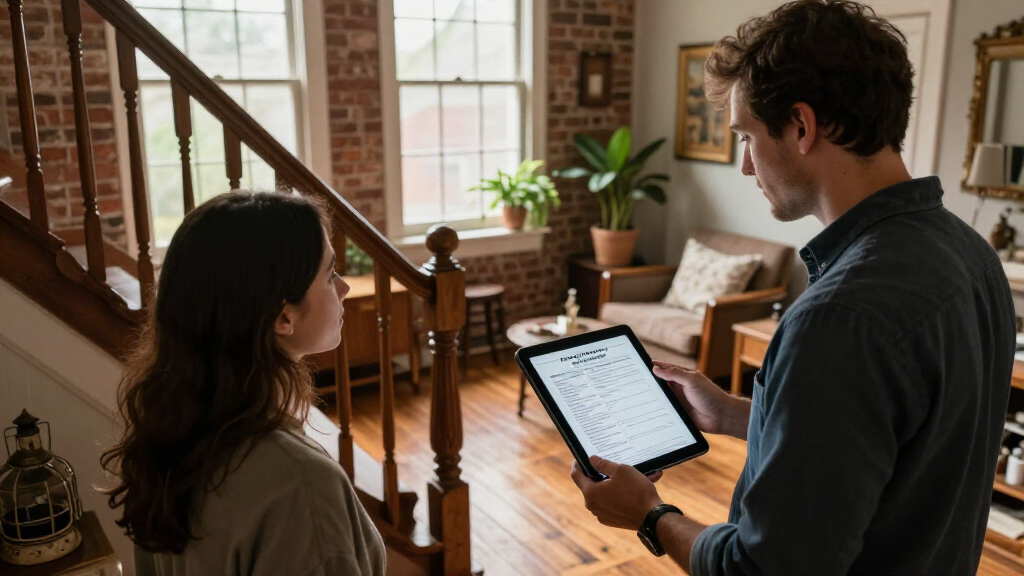
IdeaNavigator AI has launched a new workflow that provides pre-demo condition reports for buyers of pre-1980 fixer homes, aiming to reduce renovation risks and unexpected costs. This service targets DIY millennial buyers who renovate homes on weekends and savings, offering wall-by-wall assessments based on guided phone scans and mail-in tests. The approach is designed to give buyers early insights into hidden hazards such as asbestos, old wiring, and plumbing issues, potentially saving thousands of dollars and avoiding delays.
The service involves guided phone scans of key areas like electrical panels, crawlspaces, and supply lines, combined with mail-in kits to test suspect materials such as asbestos and lead paint. These assessments return a wall-by-wall report indicating likely contents and potential opening costs before any demolition begins. This process aims to address the common problem where hidden hazards—such as cloth-wrapped wiring or asbestos—are only discovered after walls are opened, often leading to costly overrun and delays.
According to an anonymous researcher, the current approach to buying fixer homes relies heavily on traditional home inspections, which often reveal surprises only after demolition has started, resulting in overrun costs that can reach forty thousand dollars or more. The new workflow seeks to provide a more reliable, remote alternative that can be completed before the buyer commits to demolition, thus reducing uncertainty and risk.
The initial model offers a fixed fee per house, with an upsell option for contractor-matched remediation quotes. The goal is to validate the process by selling around twenty verdicts to buyers before demo, then comparing these predictions against actual findings during demolition. Success will be measured by the accuracy of predictions and the willingness of buyers to recommend the service.
Why Pre-Demo Reports Are a Game Changer for DIY Renovators
This development could significantly lower the financial and logistical risks faced by DIY home renovators, especially millennials investing their savings into houses built before 1980. By providing early, wall-by-wall assessments of hazardous materials and structural concerns, buyers can make more informed decisions before demolition. This reduces the likelihood of unexpected delays, costly surprises, and project overruns, which are common in renovating older homes.
Furthermore, the remote nature of the assessment makes it accessible for buyers who cannot be physically present during inspections or who prefer to minimize initial costs. The approach also addresses a market need, as most affordable starter homes now predate 1980, and traditional inspections often fall short of predicting hidden hazards behind walls. If validated, this workflow could become a standard step in the renovation process, shifting risk management from reactive to proactive.
As an affiliate, we earn on qualifying purchases.
Growing Risks in Renovating Pre-1980 Homes
Older homes, particularly those built before 1980, often contain hazardous materials like asbestos, lead paint, and cloth-wrapped wiring, which are costly and time-consuming to address once exposed. Traditionally, buyers rely on home inspections, but these often only provide surface-level assessments and may miss hazards concealed behind walls. When demolition begins, unexpected issues frequently lead to significant overruns and delays.
Recent trends show that most affordable starter homes are pre-1980, making risk assessment during the early stages of renovation more critical. Guided phone scans and mail-in testing kits have emerged as tools to remotely evaluate potential hazards, but their adoption in the renovation workflow remains limited. The new approach by IdeaNavigator AI aims to fill this gap by offering wall-by-wall predictions that inform buy-or-walk decisions before demo.
Validation and Accuracy of Remote Wall Assessments
It is not yet clear how accurate the guided phone scans and mail-in tests will be in predicting hazards behind walls across different home conditions. The pilot program is still underway, and results comparing predictions to actual findings during demolition are pending. There is also uncertainty about how receptive DIY buyers will be to paying for these assessments and whether the process can be scaled effectively.
Next Steps for Testing and Scaling the Workflow
The initial phase involves selling around twenty pre-demo verdicts to DIY buyers and comparing these predictions with actual demolition findings. Success will lead to refining the process, expanding the service to more buyers, and potentially integrating it into standard renovation workflows. Further validation and user feedback will determine its broader adoption and impact on risk management in vintage home renovation.
Key Questions
How reliable are remote assessments compared to traditional home inspections?
While initial results are promising, the accuracy of guided phone scans and mail-in tests is still being validated through ongoing pilot programs. These methods aim to provide wall-by-wall predictions, but their reliability will be confirmed once comparisons with actual demo findings are complete.
What types of hazards can this workflow detect?
The workflow targets hazards common in pre-1980 homes, such as asbestos, lead paint, cloth-wrapped wiring, and old plumbing materials. The mail-in kits test for suspect materials, while guided scans evaluate electrical and plumbing components.
Will this service increase the upfront costs for buyers?
The service is designed to be a fixed-fee assessment, which may increase initial costs but aims to save money by preventing costly surprises during demolition. The value lies in avoiding overruns that can reach tens of thousands of dollars.
When will this workflow be widely available to buyers?
The current pilot program is ongoing, with initial sales and testing underway. If successful, broader adoption could occur within the next year, depending on validation results and market demand.
Source: IdeaNavigator AI
Halloween Picks
halloween
As an affiliate, we earn on qualifying purchases.