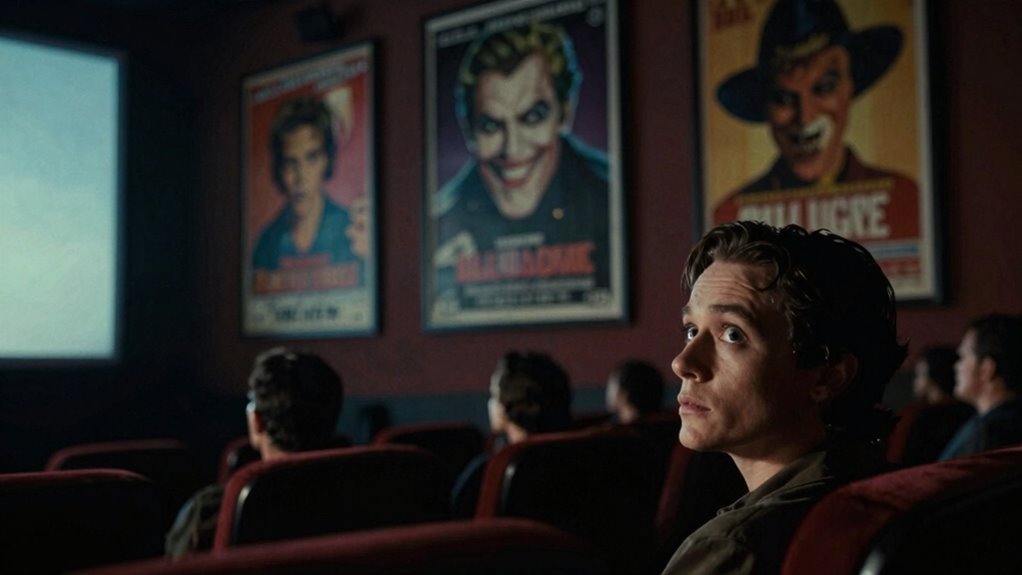

Movie villains often stick in your mind longer than heroes because they embody complex psychological traits that challenge societal norms. Their memorable quotes and striking visual designs create lasting impressions and evoke deep emotions. You can’t help but empathize with their struggles, even amidst their dark deeds. This complexity makes them culturally significant, turning them into icons. If you’re curious about the specific traits that enhance their allure, there’s much more to discover.

Get business pricing on office and shipping supplies
- Business-only prices and quantity discounts
- Tax-exempt purchasing
- Multiple users, one account, clear invoices
Key Takeaways
- Villains often embody psychological complexity, evoking empathy that deepens their impact on audiences compared to more straightforward heroes.
- Memorable quotes from villains become cultural touchstones, encapsulating their essence and enhancing their recognition over time.
- Distinctive visual designs and symbolism create a lasting impression, making villains visually and narratively compelling.
- Archetypal traits of villains resonate with real-life struggles and fears, forging stronger emotional connections with audiences.
- By challenging societal norms, villains provoke intense emotions and discussions, ensuring their relevance and memorability in popular culture.
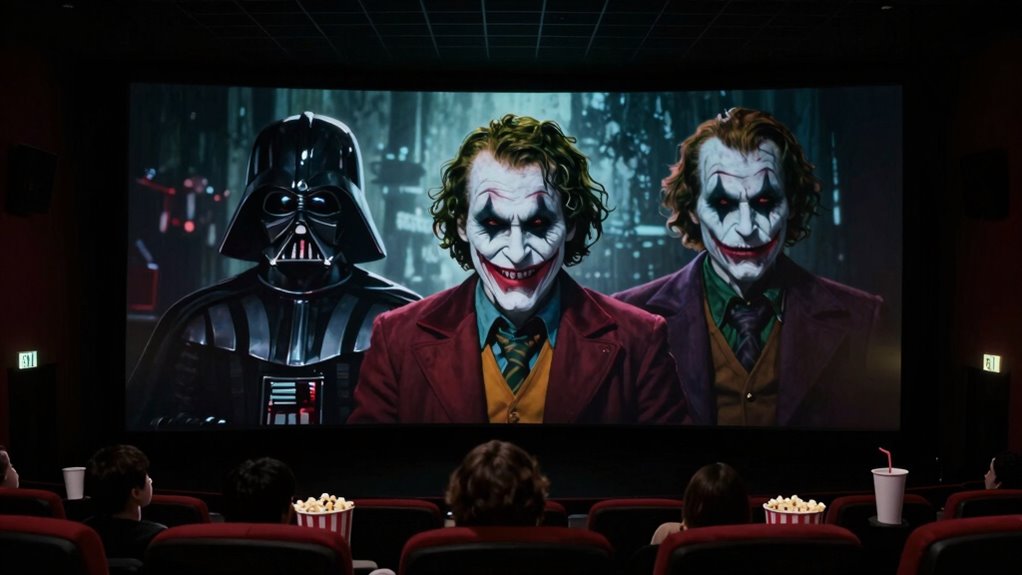
When you think of unforgettable movie villains, it’s hard not to recall their chilling lines and menacing presence. Their iconic performances often overshadow the heroes, making you wonder why these characters linger in popular memory long after the credits roll. One reason is their psychological complexity; villains often embody the darker facets of human nature, prompting you to explore motivations that heroes might lack. This complexity draws you in, creating a paradox where you can’t help but empathize with them, even as they commit heinous acts.
Take, for instance, the memorable quotes that echo in your mind long after a film ends. Lines like “I’m going to make him an offer he can’t refuse” can become cultural touchstones, encapsulating the villain’s essence in just a few words. Such quotes resonate because they reflect universal themes—power, betrayal, and vengeance—that strike a chord with audiences. The impact of these lines extends beyond the screen, enriching discussions and references, making the villains almost larger-than-life in popular culture.
Memorable villain quotes resonate deeply, capturing themes of power and betrayal, and elevating them to cultural icons.
Design aesthetics also play an essential role in how you remember these characters. From the sharp suits of a sophisticated mobster to the grotesque features of a monstrous foe, visual elements enhance their villainous charisma. These design choices not only make them memorable but also symbolize their traits, allowing you to instantly recognize them in any context. You might even find yourself drawn to their style, making them an enduring part of your cinematic experience. Their visual symbolism often reinforces their narrative significance, making their presence more striking. Additionally, their distinctive appearances often set them apart from heroes, emphasizing their visual contrast.
Villains also possess archetypal traits that resonate across genres and eras. You recognize the manipulative mastermind, the tragic anti-hero, or the ruthless tyrant, and each type elicits a different reaction from you. This familiarity makes it easier to form connections, as you can see shades of these characters in real life. Their actions and decisions may evoke feelings of empathy, illuminating your own struggles and fears. Additionally, the lasting cultural impact of these characters is often reinforced by their iconic quotes, which become part of popular discourse.
Ultimately, the cultural impact of these villains far exceeds that of most heroes. They challenge societal norms, forcing you to grapple with uncomfortable truths. This complexity and their ability to evoke strong emotions guarantee they remain etched in your memory. So, the next time you think of cinematic greats, remember that it’s often the villains—those complex characters with their chilling lines and villainous charisma—who truly outlive the heroes.
Popular right now

Bose QuietComfort Headphones (2nd Gen), Wireless Over-Ear Noise-Cancelling Headphones, Black

KitchenAid Artisan 5-Quart Tilt-Head Stand Mixer, Almond Cream

Dyson V15 Detect Origin Cordless Vacuum
As an affiliate, we earn on qualifying purchases.
Frequently Asked Questions
What Psychological Traits Make Villains More Memorable Than Heroes?
Villains often stick in your mind because of their morality ambiguity and charismatic malevolence. You find yourself drawn to their complex motivations and the thrill they bring to the story. Their unpredictability adds excitement, making you keen to see what they’ll do next. Heroes, while noble, can sometimes feel one-dimensional. In contrast, a well-crafted villain challenges your perceptions, leaving a lasting impression that heroes often struggle to match.
How Do Cultural Perceptions of Villains Change Over Time?
Cultural perceptions of villains shift like the tides in a classic tale. As society evolves, you start to see villain redemption arcs that resonate more deeply. Today’s audience often empathizes with past villains, reflecting a cultural evolution that values complexity over simplicity. Characters once deemed irredeemable can become heroes in their own right, showcasing your changing ideals and the way you view morality. This transformation keeps these characters alive in your memory.
Are There Specific Genres Where Villains Dominate Memory More?
Yes, certain genres definitely let villains dominate memory more. In the horror genre, iconic figures like Freddy Krueger and Michael Myers linger in your mind. Fantasy villains, like Sauron or the Joker, often overshadow their heroic counterparts too. Action antagonists, such as Hans Gruber, leave a lasting impression, while animated foes like Scar or Maleficent captivate both kids and adults alike. These characters become cultural touchstones, often eclipsing the heroes they oppose.
What Role Does Merchandise Play in Villain Popularity?
Merchandise acts like a magic wand, transforming villains into iconic figures. When you see villain branding on toys, apparel, or collectibles, it amplifies their appeal, making them unforgettable. These products often tap into your nostalgia and fascination, allowing you to connect with the darker side of storytelling. As you collect villain merchandise, you reinforce their legacy, ensuring these characters linger in your memory long after the credits roll.
Can Audience Empathy for Villains Affect Their Lasting Impact?
Absolutely, audience empathy for villains can greatly affect their lasting impact. When you connect with a villain’s backstory, you start to see their moral ambiguity and emotional complexity. These elements make them more relatable and intriguing. If a villain has a compelling redemption arc, it often leaves you reflecting on their journey long after the movie ends. This depth can overshadow the heroes, making the villains more memorable in your mind.
Conclusion
In the grand tapestry of cinema, villains often steal the spotlight, their dark charisma lingering long after the credits roll. Think about it: isn’t it the wicked laugh or the chilling monologue that echoes in your mind? Heroes may save the day, but it’s the villains who challenge us, forcing us to confront our deepest fears. So next time you watch a film, remember—it’s the villains who truly leave a lasting impression, haunting our thoughts long after the final scene.