Movie monologues still go viral because they hit you with raw emotions and relatable themes that stick with you long after the film ends. They capture character journeys and vulnerabilities, making you feel connected to their stories. Plus, the power of social media allows these snippets to spread quickly, sparking discussions and new trends. This blend of emotional depth and instant sharing keeps monologues relevant. Curious about how they do it? There’s more to uncover!

Get business pricing on office and shipping supplies
- Business-only prices and quantity discounts
- Tax-exempt purchasing
- Multiple users, one account, clear invoices
Key Takeaways
- Emotional resonance in monologues evokes strong feelings, making them shareable and relatable across diverse audiences.
- Powerful character journeys and vulnerabilities highlighted in speeches encourage deeper connections with viewers.
- Cinematic techniques, such as close-ups and lighting, enhance the emotional impact of monologues, making them memorable.
- Social media platforms facilitate quick sharing, allowing snippets to go viral and spark discussions among viewers.
- Universal themes in monologues prompt self-reflection, ensuring their relevance and appeal in the digital age.
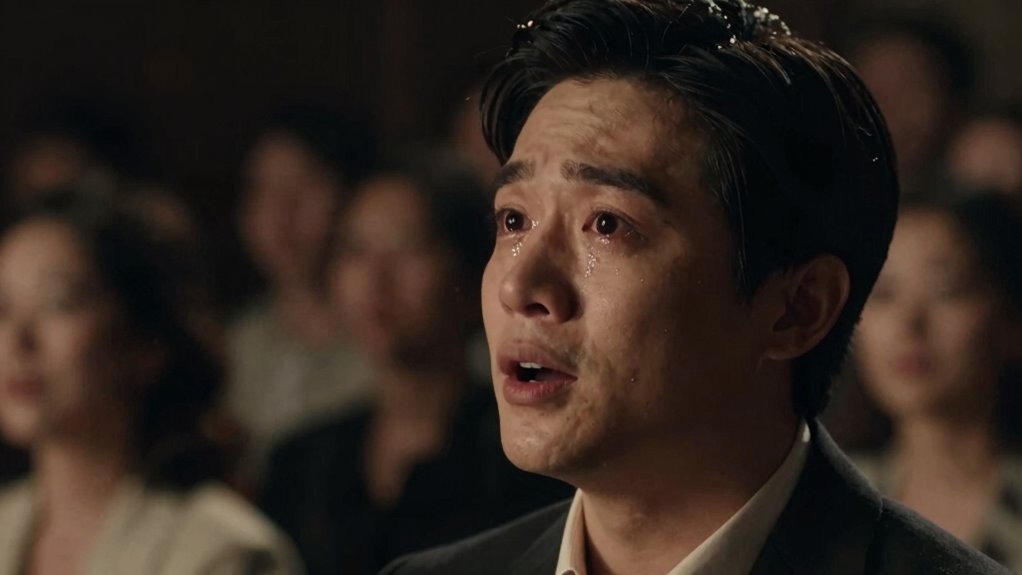
In a world where social media reigns, movie monologues are taking the internet by storm. You’ve likely scrolled through your feeds and stumbled upon powerful snippets from films that resonate deeply. These monologues don’t just entertain; they evoke emotions and spark conversations that echo far beyond the screen. The emotional impact of these speeches is undeniable, often leaving you feeling connected to the characters in ways that linger long after the credits roll.
Take a moment to think about some of the most memorable quotes you’ve encountered. Whether it’s a dramatic declaration of love or a poignant reflection on life, these lines become ingrained in our collective consciousness. When a monologue hits just right, it doesn’t just stand alone; it encapsulates the essence of a character’s journey. You find yourself relating to their struggles, triumphs, or moments of vulnerability. This character development draws you in, encouraging deeper audience connection that transcends the typical viewing experience.
Memorable monologues resonate deeply, encapsulating character journeys and inviting us to connect with their struggles and triumphs.
Cinematic techniques play an essential role in the effectiveness of these monologues. Filmmakers use close-ups, lighting, and sound design to enhance the delivery of these powerful lines. You might notice how a character’s expression changes, highlighting their internal conflict or resolution. This visual storytelling complements the words spoken, creating a sensory experience that you can’t easily forget. When you see a character battling their demons or celebrating a victory, the monologue reinforces the emotions tied to that moment, making it even more impactful. Recognizing cinematic techniques helps explain why these moments resonate so deeply with audiences. Additionally, understanding visual storytelling deepens your appreciation of how these scenes evoke such strong responses.
Social media influence has transformed how these monologues reach you. Platforms like TikTok and Instagram allow snippets of these powerful moments to spread like wildfire. You’re not just watching; you’re sharing, remixing, and discussing them with your friends. This viral nature amplifies the original emotional impact, allowing more people to connect with the message behind the words. It’s fascinating how a short clip can start a trend, prompting you to dive back into the film to relive the entire context.
Ultimately, movie monologues continue to go viral because they tap into universal themes. They speak to your heart and mind, urging you to reflect on your own experiences. In this age of quick consumption, those moments of raw honesty remind you of the power of storytelling. They bridge the gap between the screen and your life, proving that the art of the monologue is far from dead—it’s thriving in the digital age. Recognizing the impact of cinematic techniques helps explain why these moments resonate so deeply with audiences.
Popular right now

Bose QuietComfort Headphones (2nd Gen), Wireless Noise-Cancelling Over-Ear Headphones, White Smoke

Vitamix 5200 Blender with 64 oz Container, Black

Dyson Cyclone V10 Origin Cordless Vacuum
As an affiliate, we earn on qualifying purchases.
Frequently Asked Questions
What Makes a Monologue Memorable to Audiences?
A monologue becomes memorable when it strikes an emotional resonance with you. You connect deeply with the character’s struggles and triumphs, feeling their pain or joy as if it’s your own. This connection often arises from the character’s depth; their flaws and complexities make them relatable. When a performer delivers a monologue with authenticity, you can’t help but be drawn in, making those words linger long after the scene ends.
How Do Actors Prepare for Impactful Monologues?
They say practice makes perfect, and that’s especially true for impactful monologues. You immerse yourself in character analysis, uncovering their motivations and emotions. By connecting deeply with the character, you create an emotional connection that resonates with the audience. You rehearse repeatedly, experimenting with tone and pacing, until it feels authentic. Don’t forget to visualize the scene; it helps you embody the character and deliver your lines with conviction.
Can Monologues Be Effective in Short Films?
Absolutely, monologues can be incredibly effective in short films. They allow you to dive deep into character development, revealing motivations and emotions in a compact timeframe. By using short film techniques, like strong visuals and tight scripting, you can create a powerful moment that resonates. When done right, a well-placed monologue can leave a lasting impression, making your characters unforgettable and enhancing the overall impact of the film.
What Are Some Famous Monologues in Theater?
You’ll find famous monologues in theater that span centuries, from Shakespearean soliloquies like Hamlet’s “To be or not to be” to contemporary classics such as “The Glass Menagerie.” These pieces showcase emotional impact and deep character development, pulling audiences into the characters’ inner struggles. Whether it’s a tragic lament or a passionate declaration, each monologue reveals layers of humanity that resonate, making them timeless treasures in the theatrical landscape.
How Has Social Media Changed Monologue Sharing?
Social media’s transformed monologue sharing by amplifying emotional connections through quick, accessible clips. You see how platform dynamics allow for viral trends that engage audiences more than ever. Users can easily share compelling performances, boosting their visibility. Shareability factors like hashtags and challenges encourage participation, drawing in wider audiences. This instant feedback loop fuels creativity and keeps monologues relevant, ensuring they resonate deeply and continue to inspire conversations across platforms.
Conclusion
In a world where attention spans are shorter than a blink, movie monologues stand out like a lighthouse in a storm. Their emotional depth and powerful delivery resonate, sparking discussions that echo across social media. You can’t help but share that passionate speech or unforgettable line, as it captures a truth you’ve felt but couldn’t express. Ultimately, these monologues remind us that, even in fleeting moments, cinema can ignite a wildfire of connection and inspiration.