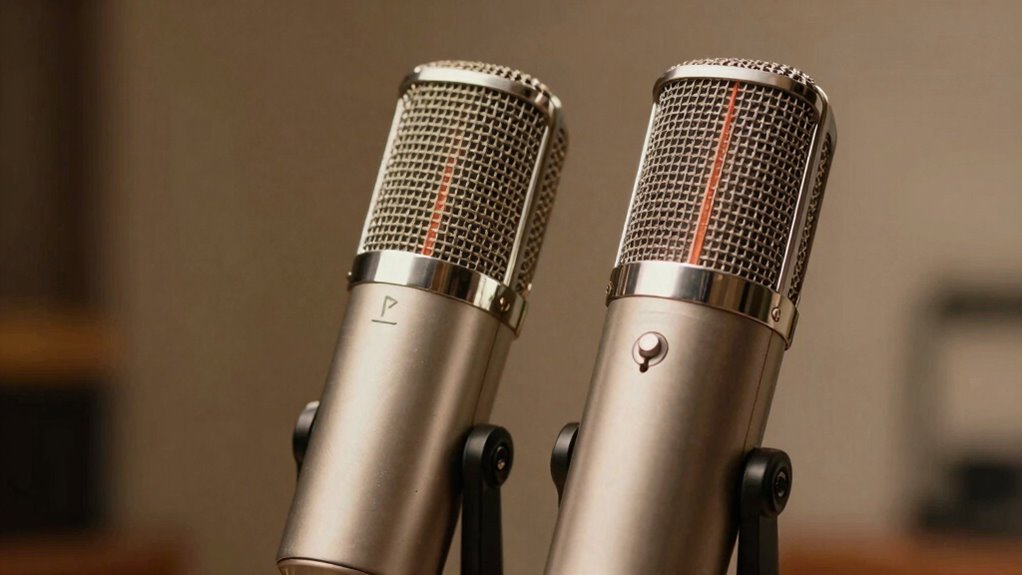

Ribbon mics deliver gorgeous, vintage-quality sound with smooth, natural tones that many find irresistible. However, you need to handle them carefully, as their delicate design makes them vulnerable to damage from jolts, humidity, or gusts. They work best in controlled studio environments and require proper powering, making them less suitable for rugged use or outdoor settings. If you’re curious about how to get the most out of these unique mics, keep exploring.

Get business pricing on office and shipping supplies
- Business-only prices and quantity discounts
- Tax-exempt purchasing
- Multiple users, one account, clear invoices
Key Takeaways
- Ribbon mics deliver warm, natural, and vintage-inspired sound ideal for nostalgic recordings and vocal or acoustic instrument captures.
- Their delicate construction makes them prone to damage from physical shocks, environmental factors, and improper handling.
- Not suitable for noisy or outdoor environments due to their sensitivity and lack of ruggedness.
- Require careful powering, preamps with sufficient gain, and gentle handling to prevent damage and ensure optimal performance.
- Best suited for controlled studio settings where sound quality and vintage character are prioritized over durability.
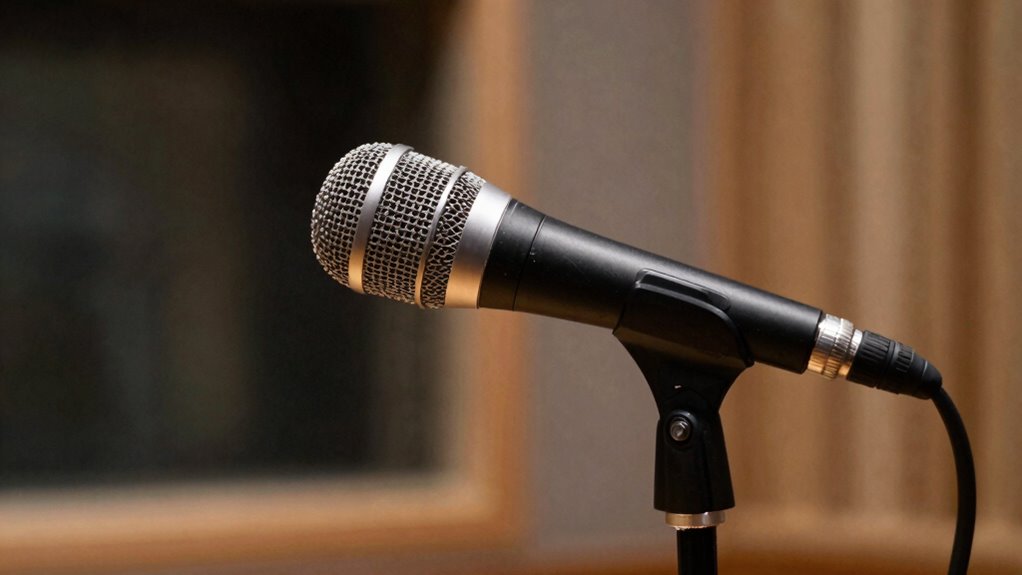
Are ribbon microphones truly suitable for every recording situation? If you’re drawn to their vintage appeal, you probably already know they have a certain charm that can add warmth and character to your recordings. Their smooth, natural sound often appeals to musicians and engineers aiming for a classic, nostalgic vibe. But despite their gorgeous sound, ribbon mics aren’t always the best choice. Their delicate construction means you need to handle them with care, and that can be a challenge in some environments.
Unlike more rugged microphones, ribbon mics feature a thin aluminum ribbon suspended within a magnetic field. This design, while responsible for their rich, detailed audio, also makes them fragile. You have to be cautious when setting them up, moving them, or storing them, because a sudden jolt or a strong gust of air might damage the ribbon. If your studio or live setup isn’t designed with extra caution, a ribbon mic might not be the most practical choice. Their sensitivity to temperature and humidity also means you need a controlled environment to keep them functioning properly.
Ribbon mics are delicate and require careful handling and a controlled environment to prevent damage.
While their vintage appeal is undeniable, it’s precisely this aesthetic that often attracts users seeking that old-school vibe. But if you’re working in a busy, noisy environment or need a microphone that can withstand rough handling, ribbon mics may not be the best fit. They excel at capturing vocals, acoustic instruments, or room ambiance with a warm, natural tone, but they’re not as versatile or durable as dynamic or condenser mics. You also need to be mindful of their proximity effect, which can cause bass frequencies to become exaggerated if you get too close.
In addition, ribbon mics tend to have a lower output level, meaning you need a good preamp with enough gain to bring out their full potential. This isn’t a problem in a well-equipped studio, but it can be a hurdle if you’re recording on a tight budget or in a portable setup. Plus, they are more prone to damage from phantom power, so you have to be cautious when powering them. Furthermore, their sensitivity to environmental factors makes them less suitable for outdoor or uncontrolled settings. Being aware of their vintage design also highlights their specialized nature and the need for careful handling. Additionally, their limited durability means they require extra care during transportation or frequent use. It’s also worth noting that their specific frequency response can sometimes limit their versatility across different recording applications.
Ultimately, if you value their unique sound and are willing to treat them gently, ribbon microphones can elevate your recordings with their vintage charm. However, if durability, ease of use, or rugged handling are priorities, you might want to evaluate other microphone types. They’re a specialized tool that offers stunning audio, but they’re not suited for every situation.
best ribbon microphone for vocals
As an affiliate, we earn on qualifying purchases.
As an affiliate, we earn on qualifying purchases.
Frequently Asked Questions
How Do Ribbon Mics Compare to Condenser Microphones in Cost?
You’ll find that ribbon mics are generally more affordable than condenser microphones, making them a great choice if you’re on a budget. Their vintage appeal adds character, and they excel in studio versatility for certain recordings. While condensers often cost more due to their advanced technology and wider frequency response, ribbon mics provide a charming, cost-effective option that still delivers high-quality sound, especially for vintage-inspired recordings.
Are Ribbon Mics Suitable for Live Stage Performances?
You might be surprised, but ribbon mics aren’t ideal for live stage performances. Their delicate design means they often lack the stage durability needed for rough handling. Plus, they’re more prone to feedback, making feedback resistance a challenge on loud stages. If you’re considering live use, look for mics specifically built to withstand stage conditions, or you’ll risk losing that gorgeous sound you love.
What Are Common Maintenance Tips for Ribbon Microphones?
To keep your ribbon microphone in top shape, handle it carefully and store it in a safe, dry place. Avoid sudden temperature changes to protect the delicate ribbon material. Regularly check the polar pattern to guarantee consistent sound pickup, and avoid placing it near strong magnets or sources of electromagnetic interference. Gentle cleaning with a soft, dry cloth helps maintain clarity, but never use liquids on the ribbon element.
Can Ribbon Mics Handle High Sound Pressure Levels?
While ribbon mics are delicate, they can handle high sound pressure levels with some care. Their transient response is quite smooth, capturing sharp sounds beautifully, but their limited frequency response means they excel in warm, detailed recordings. To avoid damage, you should avoid extremely loud sources or use a pad if available. With proper handling, you’ll enjoy their rich sound without risking harm, making them versatile for various recording situations.
What Are the Best Environments for Using Ribbon Microphones?
You should use ribbon microphones mainly in controlled environments like recording studios for vocal recordings. They excel at capturing warm, smooth tones, making them ideal for vocals and acoustic instruments. However, avoid high SPL situations or loud environments, as ribbon mics can be sensitive to distortion. In a recording studio, their delicate design is protected, ensuring you get rich, natural sound without interference from background noise.
Conclusion
Think of ribbon microphones as delicate flowers in a bustling garden. They produce stunning, intricate blooms—rich, warm sounds—that captivate listeners. But just like fragile petals, they need careful handling and the right environment to thrive. If you’re ready to nurture their beauty and understand their quirks, you’ll find them a rewarding addition to your collection. Otherwise, you might prefer the sturdier, more resilient plants that require less tending but still add beauty in their own way.
Fall Picks
fall essentials
As an affiliate, we earn on qualifying purchases.