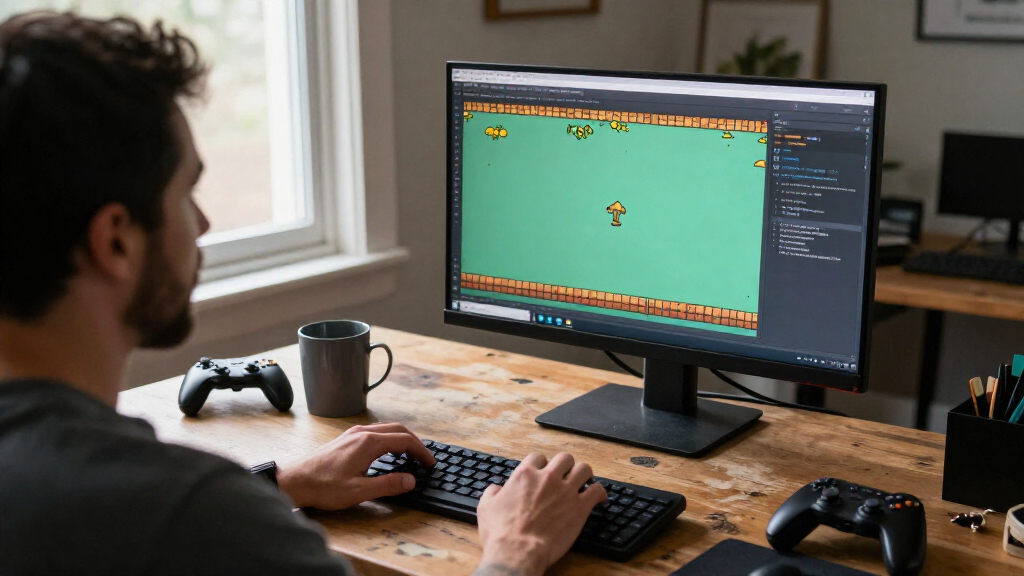

🔍 Read the full analysis: Anthropic Tackles Existing Game Recreation With A Claude Code Rule on ThorstenMeyerAI.com

Get business pricing on office and shipping supplies
- Business-only prices and quantity discounts
- Tax-exempt purchasing
- Multiple users, one account, clear invoices
TL;DR
A GamesIndustry.biz headline says Anthropic added a rule intended to stop Claude Code from recreating existing games. The available report does not include the rule’s text, effective date, scope or enforcement details, so its practical impact cannot yet be assessed.
Anthropic has added a rule intended to stop its Claude Code coding assistant from recreating existing games, according to the original report. The available report does not include the rule’s wording or explain how it works, leaving game developers and users without enough detail to tell which requests may be affected.
The reported development concerns a restriction on using Claude Code to produce a recreation of a game that already exists. The headline attributes the change to Anthropic, but the material available does not include a company statement, a named spokesperson or the underlying GamesIndustry.biz article text. The rule’s stated aim can therefore be reported; its exact terms cannot.
No examples are provided of prompts the assistant would reject or allow. It is not clear whether the restriction applies to attempts to reproduce a particular title closely, or also to requests involving familiar genres, shared mechanics, remakes, fan projects or educational exercises. The account does not say whether Claude Code refuses a request, redirects users toward a different design, or limits the code it generates.
The report also gives no effective date, description of how Anthropic implemented the rule, or public test results. It does not establish whether the restriction is part of product policy, model instructions or another mechanism. No information is available about changes to the experience for existing users.
How the Rule Could Affect Game Prototyping
A restriction on reproducing existing games could shape how developers use AI coding assistants for prototypes, experiments and learning. If it is focused on close copies, it may set a boundary for requests aimed at recreating a named title. If it is applied more broadly, developers may have questions about whether ordinary work using familiar genres or mechanics will also be blocked.
For studios and rights holders, the reported change signals that Anthropic is addressing a category of requests with a rule. But the available account does not show that the rule prevents copying in practice, nor does it settle any legal questions or alter game makers’ rights. Those are separate matters from the existence of a product restriction.
The distinction that will matter to users is how the system handles a specific request. A rule’s practical value depends on its boundaries and consistency: a restriction that is too narrow may not catch close recreations, while one that is too broad could interrupt permitted development work. The source material provides no evidence for judging either outcome.
Popular right now

Samsung 65-Inch Class M70H Series 4K Mini LED Smart TV (2026)

Bose QuietComfort Wireless Noise-Cancelling Over-Ear Headphones, Twilight Blue

Ninja Crispi 4-in-1 Portable Glass Air Fryer, Grey, FN101GY
As an affiliate, we earn on qualifying purchases.
What the Report Actually Establishes
The available basis for this account is a GamesIndustry.biz headline stating that Anthropic added a rule aimed at stopping Claude Code from recreating existing games. The supplied material does not include the article body or a linked explanation from Anthropic. As a result, the headline is the only reported detail on the development that can be attributed with confidence.
That limited information supports describing the change as a rule with a stated purpose. It does not identify a triggering incident, provide a timeline of earlier Claude Code behavior, or explain whether the measure represents a new policy or a change in how the assistant responds. Those details should not be inferred from the headline alone.
There is also no information about an evaluation of the rule, user feedback, or how it compares with restrictions in other coding tools. Further reporting from Anthropic or a fuller account from GamesIndustry.biz would be needed to establish those points.
“Anthropic has added a rule intended to stop Claude Code from recreating existing games.”
— GamesIndustry.biz headline
The Rule’s Boundaries Remain Unknown
The rule’s wording and scope are not available. The report does not define what Anthropic considers a recreation or say whether the restriction covers all existing titles, named games alone, close replicas, remakes, fan projects or work based on common genre conventions.
It is also unknown how Claude Code enforces the rule, whether its responses vary by prompt, or whether users can challenge a refusal. There are no examples or test results to show how consistently the assistant applies the restriction. The material does not establish that any particular request has already been blocked.
Anthropic’s reasoning, the rule’s effective date and its effect on current users have not been reported in the supplied account. Until those details are available, the change’s real-world effect on developers and rights holders remains uncertain.
What Developers Need From Anthropic
The next useful information would be the rule’s text or a direct explanation from Anthropic setting out which requests it covers and when it took effect. Concrete examples of prompts the assistant allows, refuses or redirects could help developers distinguish attempts to copy a particular game from broader genre-based design work.
Any assessment of performance would also need evidence from testing across clearly described requests. That could clarify whether the restriction is applied consistently and whether it blocks work beyond its stated aim. The available report identifies no scheduled announcement, release date or other next milestone, so it is not clear when further details may emerge.
Key Questions
What did Anthropic reportedly change?
A GamesIndustry.biz headline says Anthropic added a rule intended to stop Claude Code from recreating existing games. The supplied report does not provide the rule’s text.
Does the rule prohibit every game inspired by an existing title?
That is not established. The available information does not define recreation or explain how the rule treats shared genres, common mechanics, remakes or fan projects.
How does Claude Code enforce the restriction?
The report does not say whether Claude Code refuses requests, redirects users or limits its output. No enforcement examples or test results are provided.
When did the rule take effect?
The effective date is not included in the available report. It also does not say whether the change affects all current Claude Code users.
Does the rule prove that Claude Code cannot recreate existing games?
No. The report describes a rule with that stated aim, but provides no evidence about how well it works in practice. The restriction’s performance remains unverified.
Source: ThorstenMeyerAI.com