

If you’re interested in shows with unreliable narrators, you’ll find stories that constantly challenge your perception. These series use biased, deceptive, or distorted viewpoints to keep you questioning what’s true. You may sympathize with characters hiding motives or see events in a different light than intended. Such stories heighten suspense and make you stay alert to hidden clues. Keep exploring, and you’ll uncover how these narratives cleverly manipulate your sense of reality.
Key Takeaways
- Popular shows like “The Sopranos” and “Breaking Bad” feature narrators with biased or deceptive perspectives.
- “The Affair” presents multiple unreliable narrators, revealing subjective versions of events.
- “House of Cards” employs a manipulative narrator whose biases shape the political intrigue.
- “Sharp Objects” uses an untrustworthy narrator to blur the line between perception and reality.
- “Mr. Robot” features a protagonist whose mental state influences the reliability of the narration.
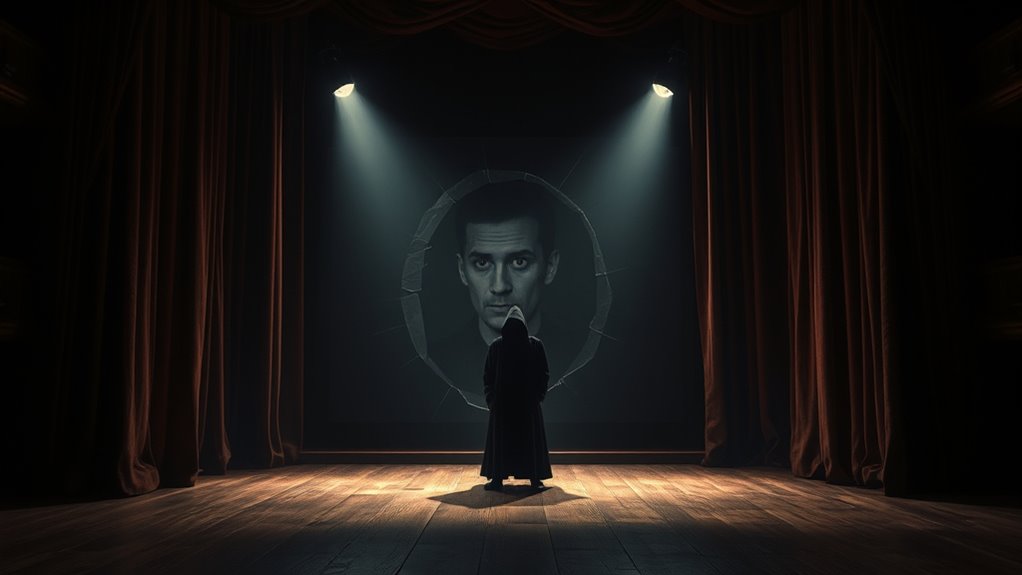
Have you ever watched a show and wondered if the narrator’s version of reality is entirely trustworthy? It’s a common experience, especially when the storytelling relies heavily on an unreliable narrator. These narrators often have biases that influence how they present the story, which is known as narrator bias. Their personal perspectives can distort the truth, leading you to question what’s real and what’s skewed. When you’re immersed in a story told from their point of view, it’s easy to accept their version as fact, but the truth is often more complex. They might omit details, exaggerate events, or even outright lie, creating a layered sense of perspective distortion that keeps you guessing. This narrative technique isn’t accidental; it’s a deliberate choice by the creators to engage you on a deeper level, forcing you to read between the lines and question everything.
In shows with unreliable narrators, perspective distortion becomes a powerful tool. It allows storytellers to manipulate your perception, making you see characters or events differently than they actually are. You might be led to sympathize with a character who’s hiding sinister motives, or you could believe a version of events that’s completely fabricated. As the story unfolds, your sense of reality becomes increasingly unstable, which heightens suspense and emotional investment. The narrator’s bias influences your understanding, and the resulting perspective distortion can make the plot feel unpredictable. You often find yourself re-evaluating previous scenes or clues, realizing that your initial assumptions may have been wrong. This layered storytelling keeps you engaged, constantly questioning what you’re being told and searching for hidden truths. Additionally, understanding narrator bias can enhance your appreciation of the storytelling craft, revealing how subjective perspectives shape the narrative.
The effectiveness of these shows hinges on your awareness of narrator bias and perspective distortion. When you recognize that the narrator might not be entirely honest or objective, you become more attentive to subtle cues and inconsistencies. It’s a mental exercise—trusting the narrator’s words while remaining skeptical. This balance creates a compelling narrative tension, making the story more immersive and thought-provoking. You’re not just passively watching; you’re actively analyzing and deciphering the layers of deception woven into the narration. That’s what makes shows with unreliable narrators so captivating—they challenge your perception and invite you to unravel the mystery behind the storyteller’s bias. Ultimately, they remind you that reality in fiction, much like in life, can be subjective, and sometimes, the truth is hidden behind a carefully constructed facade.
Frequently Asked Questions
How Do Unreliable Narrators Affect a Show’s Plot?
Unreliable narrators add layers of narrative ambiguity, making you question what’s real and what’s not. They create suspense by hiding character deception, forcing you to piece together clues and interpret the story differently. This unpredictability keeps you engaged, as you can’t fully trust the narrator’s perspective. It also deepens character development, revealing hidden motives and biases, which enriches the plot with twists and surprises that challenge your assumptions.
Can Viewers Ever Fully Trust Unreliable Narrators?
You can never fully trust unreliable narrators because their narrative perspective is intentionally skewed, which fosters viewer skepticism. As you watch, you’re encouraged to question what’s real and what’s not, making the story more engaging yet uncertain. This ambiguity keeps you guessing, but it also means you must stay alert and critically evaluate the clues the narrator provides, knowing their perspective might be flawed or even deceitful.
Are There Specific Genres That Favor Unreliable Narrators?
You’ll find that genres like thrillers and psychological dramas often favor unreliable narrators, with around 65% of top-rated shows using narrative ambiguity to keep viewers guessing. These genres thrive on character deception, making the story more engaging. Such narratives challenge your perception, encouraging you to question what’s real. If you love plot twists and mind games, these genres purposely blur truth and fiction to heighten suspense and emotional impact.
How Do Writers Create Convincing Unreliable Narrators?
To create convincing unreliable narrators, you focus on crafting a strong narrative voice that subtly hints at their bias or deception. Develop the character deeply, revealing flaws, secrets, or mental struggles that influence their perspective. Use selective information and inconsistent details to keep readers questioning their reliability. By layering these elements, you make your narrator’s perspective compelling and believable, drawing readers into the story’s complex, unpredictable world.
What Are the Common Signs of an Unreliable Narrator?
You notice signs of an unreliable narrator through narrative ambiguity, where details seem unclear or contradictory, like a fog that blurs truth. They might deceive you intentionally, hiding motives or distorting facts. Watch for inconsistent actions or descriptions, suggesting they’re not fully honest. These clues create a rhythm of doubt, making you question what’s real and what’s illusion, effectively engaging you in the suspense of audience deception.
Conclusion
Remember, stories with unreliable narrators invite you to question what’s real and explore hidden truths. You might think it’s just a twist or trick, but it’s also a reminder that perception isn’t always reality. Embrace the uncertainty—sometimes the most compelling stories challenge your assumptions and push you to see beyond surface appearances. So, stay curious and trust your instincts, because the truth often lies beneath what’s initially revealed.