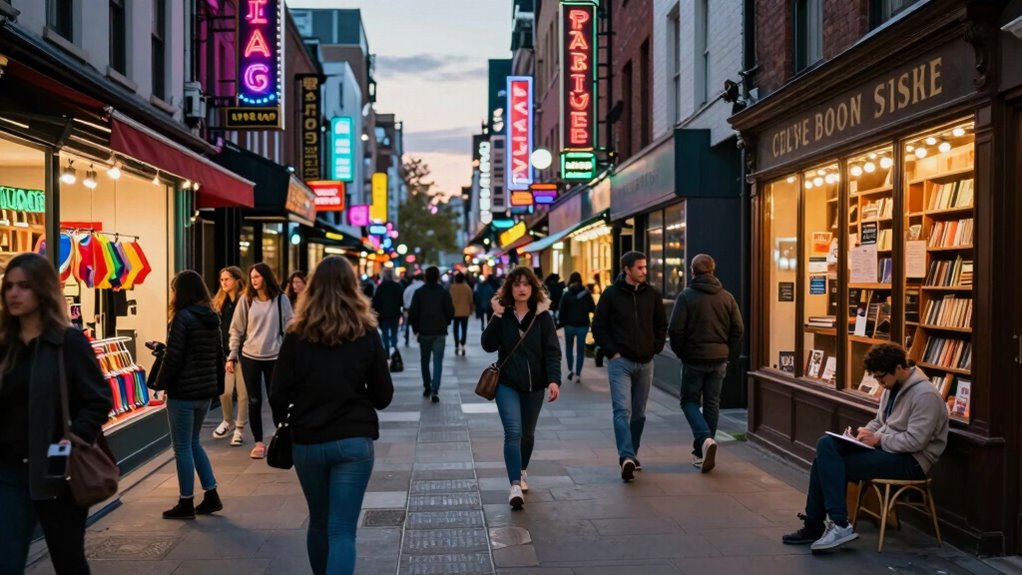

Some trends peak fast because they spark immediate interest, often fueled by viral content or celebrity endorsements. These trends grab attention quickly but can fade just as fast due to overexposure. In contrast, slow-building trends grow gradually, rooted in deeper consumer values like sustainability. They cultivate a loyal following, leading to lasting relevance. Understanding these dynamics helps you navigate the ever-changing landscape of trends and their impact on consumer behavior. You’ll discover more insights next!
Key Takeaways
- Fast-peaking trends often rely on viral moments or celebrity endorsements for immediate interest, while slow-building trends grow from deeper consumer values.
- Slow-building trends foster loyalty through organic growth, creating lasting connections that mitigate rapid declines in interest.
- Fast peaks can lead to market saturation quickly, whereas slow builds cultivate a steady consumer base over time.
- Grassroots support and community values are crucial for slow-building trends, contrasting with fast peaks driven by high-profile influences.
- Data-driven approaches enhance the ability to predict and balance both fast and slow trends by analyzing consumer behavior patterns.
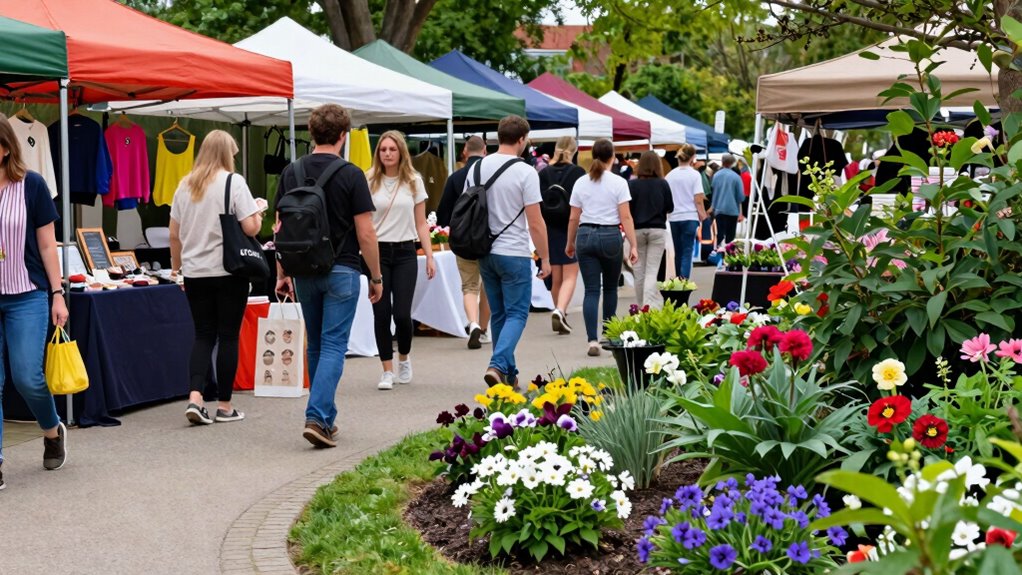
In a world where trends can rise and fall in the blink of an eye, understanding the dynamics of fast peaks versus slow builds is vital for anyone looking to stay ahead. You might find yourself wondering why some trends go viral overnight while others take their time to cultivate an audience. The answer lies in the complex interplay of viral dynamics, consumer behavior, and social influence.
Fast-peaking trends often spring from a sudden burst of cultural relevance. They capture the collective imagination, sometimes fueled by a viral video or a celebrity endorsement, and spread like wildfire. This quick spike can be exhilarating but also fleeting. Once the initial excitement fades, you may notice a sharp decline in interest, leading to market saturation. When everyone’s jumped on the bandwagon, the trend can quickly become stale, leaving behind a trail of overexposure.
Fast-peaking trends ignite rapidly, fueled by cultural moments, but their fleeting nature can leave behind a stale market.
On the other hand, slow builds find their footing gradually, often rooted in deeper consumer behaviors and values. These trends tend to resonate on a more personal level, allowing them to grow organically over time. Think of sustainable fashion or plant-based diets—they may not have the immediate thrill of a viral trend, but they cultivate a loyal following. This steady growth is beneficial, as it often leads to a more enduring presence in the market. Recognizing the trend lifecycle helps in planning strategies that balance immediate impact with lasting relevance.
Understanding the viral dynamics and how they influence consumer engagement is crucial for leveraging both types of trends. Social influence plays a substantial role in both types of trends. Fast peaks often rely on influencers with massive followings who can spark immediate interest. In contrast, slow builds benefit from grassroots efforts, where communities rally around shared values. This deeper connection often fosters loyalty, making it less likely for the trend to fizzle out quickly. Additionally, advancements in artificial intelligence are increasingly shaping how trends are identified and amplified across different platforms. A data-driven approach can help predict potential trends before they reach their peak.
Ultimately, whether you’re chasing fast peaks or nurturing slow builds, understanding how these dynamics impact consumer behavior can help you navigate the ever-changing landscape of trends. By recognizing the balance between immediate gratification and lasting relevance, you can position yourself strategically in a world where trends are anything but predictable.

Trend Radar Intelligence: The Ultimate Blueprint for Viral Video Creation, Content Strategy, and Audience Growth
As an affiliate, we earn on qualifying purchases.
As an affiliate, we earn on qualifying purchases.
Frequently Asked Questions
How Do Cultural Factors Influence Trend Longevity?
Cultural factors heavily influence trend longevity. When you engage in cultural consumption, you’re often reflecting societal values that resonate with your lifestyle shifts. Trends that align with evolving values or address historical contexts can sustain interest over time. If a trend taps into deep-rooted beliefs or meets current needs, it’s more likely to last. Conversely, trends that lack this connection might fade quickly as society’s focus shifts elsewhere.
What Role Do Social Media Algorithms Play in Trend Emergence?
Social media algorithms act like a spotlight, illuminating content that catches eyes. They drive algorithmic amplification, pushing trending hashtags into the limelight and making them impossible to ignore. When your posts resonate, engagement metrics soar, creating a ripple effect of content virality. As users share and interact, what starts as a whisper can quickly become a roar, igniting trends that capture the collective imagination in the blink of an eye.
Can Trends Be Predicted Accurately?
You can’t predict trends with absolute certainty, but trend forecasting improves your chances. By leveraging data analysis, market research, and consumer insights, you can identify patterns and shifts in preferences. This approach helps you stay ahead of the curve, adapting your strategies based on emerging signals. While some trends may surprise you, a solid understanding of the market landscape enhances your ability to anticipate what’s next, making your predictions more reliable.
How Do Economic Conditions Affect Trend Popularity?
Economic conditions are like the tides; they can lift trends or drown them. When market fluctuations occur, they directly impact consumer spending. If you’re in a stable economy, trends tend to thrive, as people are more willing to invest in new ideas. However, during tough times, sustainability becomes a challenge, and trends may falter. You’ll notice that economic stability often dictates a trend’s rise or fall, shaping what’s popular at any moment.
What Psychological Factors Drive Consumer Behavior Toward Trends?
Psychological factors driving your behavior toward trends include behavioral triggers, like the excitement of novelty seeking. You’re often influenced by peer pressure, wanting to fit in or stand out. Emotional resonance plays a big role, too; if something feels personally meaningful, you’re more likely to adopt it. Additionally, cognitive biases can skew your risk perception, making you underestimate potential downsides while overvaluing the trend’s benefits. This combination shapes your choices considerably.
Conclusion
In the world of trends, some soar like fireworks, dazzling us in an instant, while others grow like sturdy trees, taking time to develop deep roots. Understanding the dynamics behind these patterns helps you navigate the ever-changing landscape of popularity. Whether you’re riding the wave of a fleeting craze or nurturing a slow-blooming idea, recognizing the rhythm of trends empowers you to make informed choices and seize the right opportunities when they arise.