
🔍 Read the full analysis: Digital Art In 2027: 10 Drawing Tablets To Compare on ThorstenMeyerAI.com

Get business pricing on office and shipping supplies
- Business-only prices and quantity discounts
- Tax-exempt purchasing
- Multiple users, one account, clear invoices
TL;DR
A buyer’s comparison of 10 devices for digital art and related uses highlights three different setups: screen-free tablets connected to a computer, pen displays that also need a computer, and a standalone model. It also includes two TQU LCD writing-board multipacks, which the source says are for casual writing and doodling rather than pressure-sensitive digital art.
ThorstenMeyerAI.com has compared 10 tablets and writing-board products for digital art and related uses, in its original analysis, ranking the Wacom Intuos Pro Medium as its preferred option for many computer-based artists. The list also distinguishes screen-free pen tablets from pen displays and a standalone device, while warning that two TQU LCD writing-board multipacks are not substitutes for pressure-sensitive art tablets.
The comparison identifies the Intuos Pro Medium as a desktop-focused pen tablet with a larger work area, wireless connection and Pro Pen 3. For artists who want to draw directly on a display, it points to the HUION Kamvas 13 (Gen 3). The HUION Inspiroy H1060P is presented as another computer-connected option, with a generous active area and multiple shortcut controls.
The ten products span different tasks and setups: Wacom Intuos Pro Medium, HUION Kamvas 13 (Gen 3), HUION Inspiroy H1060P, Frunsi RubensTab T11 Pro, other HUION Kamvas and XP-Pen Artist display models, Wacom Intuos Small, HUION Inspiroy H640P, and the TQU LCD 4-pack and 12-pack. The source does not name the specific models for every Kamvas or Artist entry in the supplied material.
The device categories affect how each product can be used. Pen tablets have no built-in drawing screen and rely on a connected computer; pen displays show the work under the artist’s hand but also need a computer. The Frunsi is described as a standalone format. The TQU boards are aimed at shared notes and children’s doodling, not art workflows that use pressure-sensitive pens and drawing software.
The 10 picks
- 1
 Wacom Intuos Pro Medium Bluetooth Drawing Tablet with Pro Pen 3View on Amazon →
- 2
 HUION Kamvas Pro 16 Drawing Tablet with ScreenView on Amazon →
- 3
 HUION Kamvas 13 (Gen 3) Pen Display Drawing Tablet, 13.3-inch, BlackView on Amazon →
- 4
 XP-Pen Artist 13.3 Pro Drawing Tablet with ScreenView on Amazon →
- 5
 Frunsi RubensTab T11 Pro Standalone Drawing TabletView on Amazon →
- 6
 HUION Inspiroy H1060P Graphics Drawing Tablet, 10 × 6.25 in, 12 Press Keys an…View on Amazon →
- 7
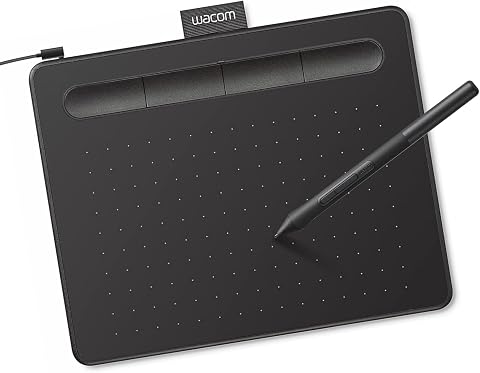 Wacom Intuos Small Wired Drawing Tablet with PenView on Amazon →
- 8
 HUION Inspiroy H640P 6 x 4 Inch Drawing TabletView on Amazon →
- 9
 TQU 8.5-Inch LCD Writing Tablets for Kids, 12-PackView on Amazon →
- 10
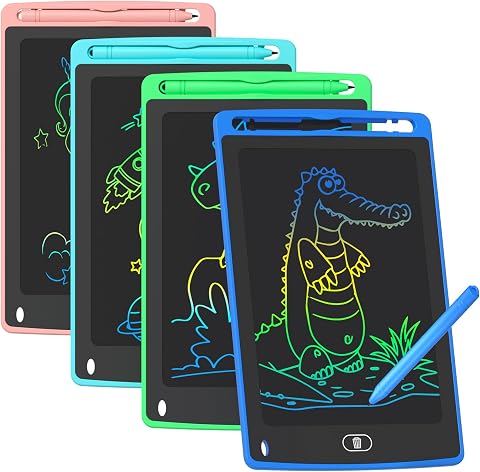 TQU 8.5-Inch LCD Writing Tablets for Kids, 4-PackView on Amazon →
How the Setup Shapes the Choice
The comparison matters because products grouped under “drawing tablets” can support different workflows. A screen-free tablet can suit someone already drawing on a computer monitor, while a pen display may feel more direct but adds a screen and connection requirements. A standalone device avoids that computer dependence, though its software and file-handling options affect what work it can support.
Choosing by headline features alone can lead to a mismatch. The source advises buyers to weigh active drawing area, portability, shortcut placement and intended use, and to check software compatibility, computer ports and cabling. Those considerations also clarify why an LCD writing board for notes is not comparable to a pressure-sensitive tablet for illustration.
Popular right now

Bose QuietComfort Headphones (2nd Gen), Wireless Over-Ear Noise-Cancelling Headphones, Black

Dyson Cyclone V10 Origin Cordless Vacuum

Ninja Crispi 5-in-1 Glass Air Fryer System, Emerald, FN103BF
As an affiliate, we earn on qualifying purchases.
Three Tablet Types in the List
The comparison uses the job each device can perform as its organizing principle, rather than treating all ten entries as direct alternatives. Its criteria include screen type, work area, pen controls, portability and connection needs, as well as fit for illustration, learning, note-taking or children’s activities.
For artists, pressure sensitivity can support changes in line weight or brush opacity, but the source says it is not automatically necessary for every user. Tilt, pen buttons and shortcut keys can help with particular workflows, provided the drawing application and device support them. The ranking favors versatility for digital art, placing the computer-connected Wacom first, display options after it and simpler or more task-specific products lower.
“The main choice is between a screen-free tablet that needs a connected computer, a pen display that adds screen and cable requirements, or a standalone device.”
— ThorstenMeyerAI.com comparison
Details Missing From the Comparison
The supplied material does not provide prices, full specifications, test results or a publication date. It also does not identify every individual HUION Kamvas and XP-Pen Artist model included in the ten-product count, making a precise model-by-model comparison impossible from this information alone.
The source gives no independent performance measurements or named artist testimonials. Its ranking and product-fit descriptions should therefore be read as the comparison’s editorial judgments, not as proof that one tablet will suit every artist. Current availability and software support are also not established in the supplied material.
Check Models Before Buying
Readers comparing the products should confirm the exact model, current price and compatibility with their computer and drawing software before purchase. For a pen display, they should also check connection requirements and desk space; for a standalone device, the available apps and file workflow will shape its usefulness.
The source does not announce a follow-up test or a next publication milestone. The next practical step is to compare complete product specifications and current availability against the artist’s intended setup, rather than treating all ten entries as interchangeable.
Key Questions
Which tablet does the comparison rank highest?
ThorstenMeyerAI.com ranks the Wacom Intuos Pro Medium first, describing it as a computer-connected option with a larger work area, wireless connection and Pro Pen 3. That ranking reflects the source’s assessment, not a guarantee of fit for every artist.
Does the HUION Kamvas 13 (Gen 3) work without a computer?
The source describes it as a pen display for drawing directly on screen. It says pen displays rely on a connected computer, so the listed Kamvas is not presented as a standalone device.
Are the TQU LCD boards drawing tablets for digital art?
The comparison says the TQU 4-pack and 12-pack are for writing and casual doodling, including shared notes and children’s activities. It says they do not replace pressure-sensitive tablets used for digital-art workflows.
What should buyers check beyond pen features?
Check the active area, connection requirements, computer ports, software compatibility, cable setup and available desk space. The source also recommends considering portability and whether shortcut controls suit the user’s routine.
Source: ThorstenMeyerAI.com