
TL;DR

Get business pricing on office and shipping supplies
- Business-only prices and quantity discounts
- Tax-exempt purchasing
- Multiple users, one account, clear invoices
L2 Aviation and Gotonomi announced a partnership to extend unmanned aerial vehicle (UAV) connectivity beyond existing cellular networks. This development aims to improve drone operations in remote and rural regions. The initiative is confirmed and represents a significant step forward in UAV communication technology.
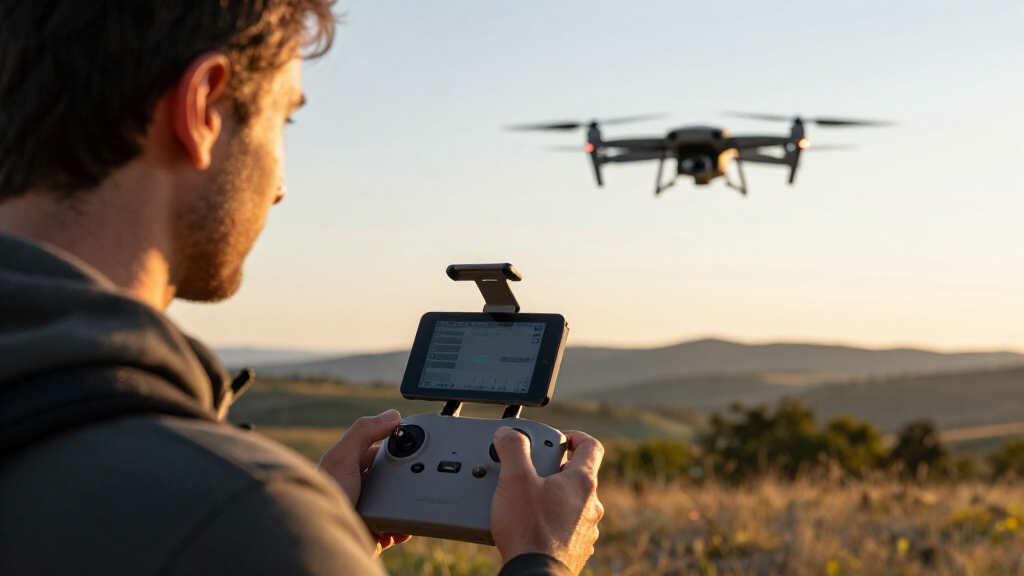
L2 Aviation and Gotonomi have announced a partnership to extend UAV connectivity beyond traditional cellular networks, aiming to improve drone operations in remote areas. This confirmed development addresses a key challenge in drone technology—maintaining reliable communication over long distances, especially where cellular coverage is limited or unavailable. The initiative is expected to significantly enhance the operational scope of UAVs, impacting industries like agriculture, infrastructure inspection, and emergency response.
The partnership involves integrating Gotonomi’s advanced satellite and radio communication technology with L2 Aviation’s UAV platforms. According to the companies, this collaboration enables drones to maintain connectivity beyond the coverage of standard cellular networks, which typically reach only a few kilometers from the operator. The new system leverages a combination of satellite links and specialized radio frequencies to provide a seamless communication link, even in the most remote locations.
Confirmed by a joint press release, the solution has undergone initial testing in rural and mountainous terrains where cellular signals are weak or nonexistent. L2 Aviation has stated that early results demonstrate a substantial extension of operational range, with some tests reaching over 100 kilometers from the control station. The companies emphasize that this technology could open new markets for UAV applications, particularly in areas where traditional connectivity infrastructure is absent or unreliable.
While the partnership is still in the early deployment phase, both firms indicate plans for broader field trials and potential commercial rollout within the next 12 months. The system is designed to be compatible with existing UAV models, allowing operators to upgrade their platforms without extensive modifications. The collaboration also includes developing user-friendly control interfaces and safety protocols to ensure reliable operation in complex environments.
Implications for Remote UAV Operations
This development marks a significant advancement in UAV technology, as it addresses a longstanding limitation—dependence on cellular networks for communication. Extending connectivity beyond cellular reach enables drones to operate in previously inaccessible areas, such as deep rural landscapes, mountainous regions, and disaster zones. This can enhance capabilities in sectors like agriculture, where large fields are often outside cellular coverage, and in emergency response, where rapid deployment in remote or disaster-affected areas is critical.
Industry experts suggest that this technology could lead to more autonomous and resilient drone systems, reducing reliance on ground-based communication infrastructure. It may also accelerate the adoption of UAVs in new markets, creating opportunities for service providers and end-users seeking reliable, long-range connectivity solutions. Overall, this partnership represents a meaningful step toward more versatile and dependable drone operations worldwide.
Popular right now

Dyson Ball Animal 3 Extra Upright Vacuum

Vitamix 5200 Professional-Grade Blender, 64 oz. Container, Black

Sony WH-1000XM6 Wireless Noise-Canceling Over-Ear Headphones, Blue, Bundle
As an affiliate, we earn on qualifying purchases.
Advances in UAV Communication Technologies
Over the past few years, UAV connectivity has largely depended on cellular networks, which are limited in range and coverage. Various companies have explored alternative methods, including satellite links and dedicated radio frequencies, but integration into practical, scalable solutions has been slow. Gotonomi has been developing satellite communication modules tailored for UAVs, emphasizing lightweight design and low latency. Meanwhile, L2 Aviation has been working on drone platforms optimized for extended flight times and operational flexibility.
This announcement builds on prior efforts to improve long-range UAV connectivity, which have seen limited commercial success due to technical complexity and cost. The collaboration between L2 Aviation and Gotonomi aims to combine their respective expertise to create a viable, scalable solution that can be deployed across multiple industries. The initial tests indicate promising results, with potential for significant market impact in the coming years.
Remaining Technical and Commercial Challenges
While initial testing results are promising, it is still unclear how the system will perform under diverse environmental conditions and in large-scale commercial deployments. Questions remain about the long-term reliability, cost-effectiveness, and regulatory approval processes for widespread adoption. Additionally, integration with existing UAV platforms may require further development and certification, which could delay full commercial rollout.
Next Steps for Deployment and Validation
Both companies plan to conduct extensive field trials over the next 6 to 12 months, testing the system in various operational environments. They aim to refine the technology based on these results and seek regulatory approvals for commercial use. A broader rollout could follow within the next year, with pilot projects in agriculture, search and rescue, and infrastructure inspection. Industry observers will be watching closely to see how the technology scales and integrates with existing UAV operations.
Key Questions
How does the new system extend UAV connectivity beyond cellular networks?
The system combines satellite links and specialized radio frequencies to maintain a continuous communication link over long distances, beyond the range of standard cellular networks.
What industries could benefit most from this technology?
Industries such as agriculture, emergency response, infrastructure inspection, and environmental monitoring could see significant benefits from extended UAV connectivity.
When will this technology be available for commercial use?
Both companies plan to begin broader field trials within the next 6 to 12 months, with potential commercial deployment within a year, pending regulatory approval and further testing.
Are there any limitations or risks associated with the new system?
Remaining uncertainties include long-term reliability, regulatory hurdles, and integration challenges, which could affect the pace of widespread adoption.
Source: primary