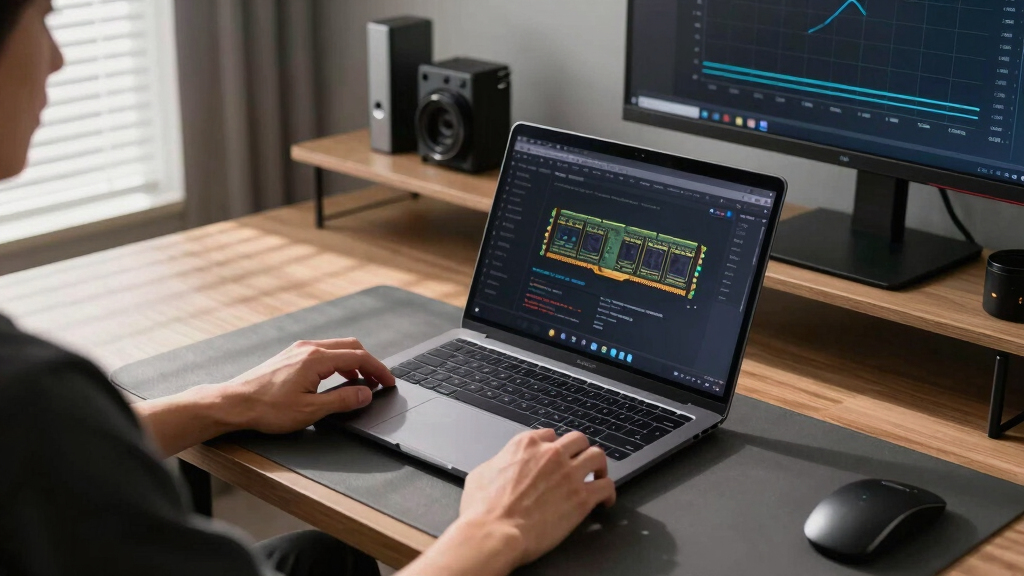

📊 Full opportunity report: The Memory Squeeze: Why Your RAM Bill Doubled on ThorstenMeyerAI.com — validation score, market gap, and execution plan.

Get business pricing on office and shipping supplies
- Business-only prices and quantity discounts
- Tax-exempt purchasing
- Multiple users, one account, clear invoices
TL;DR
Memory prices have doubled or more in 2026 due to a shift in chip manufacturing toward AI applications. This has caused a significant shortage, affecting consumer and enterprise markets. The supply constraints are driven by deliberate capacity reallocation, not just supply disruptions.
DRAM prices have approximately doubled or more in 2026, driven by a shift in chip manufacturing capacity toward AI applications. This development has caused a significant shortage of consumer memory modules, impacting PC builders and major tech companies. Apple Wants Blacklisted Chinese RAM — and That Tells You How Bad the Squeeze Got The price surge is not due to a temporary supply hiccup but a deliberate reallocation of resources, making it a structural change in the market.
Over the past year, the cost of standard 32GB DDR5 memory kits has risen from about $80–$120 to over $370, with some 64GB kits exceeding $600. Manufacturers like Samsung, SK Hynix, and Micron now prioritize producing High Bandwidth Memory (HBM) for AI accelerators, which yields higher margins. HBM modules sell for $60–$100, compared to $5–$10 for standard DDR5, incentivizing factories to reallocate wafer output away from consumer-grade memory.
This shift has led to a increase in wafer area consumption per unit of HBM, with about 23% of total DRAM wafer output now dedicated to AI-focused products. The result is a persistent shortage that cannot be alleviated by building more fabs in the short term, as new capacity is not expected to come online until 2027–2028. Industry insiders note that manufacturers are intentionally managing supply scarcity to maintain high margins, rather than flooding the market with cheaper memory.
Why your RAM bill doubled
“Doubled” is the polite version — consumer DRAM is running 3–6× its 2024 lows. The boom-bust cycle that always brought cheap RAM back isn’t coming this time, because the factories that make your RAM now make something far more profitable instead.
HBM
This is the quiet tax on the whole AI era. Relief isn’t forecast before 2028, and even then prices may settle 30–50% above pre-crisis levels. Buy what you genuinely need now; don’t panic-buy capacity you won’t use. You can’t out-wait the fab math — but, as this series will show, you can shrink what you need. Next: HBM Ate the Fab.
Impact on Consumer and Enterprise Memory Markets
This price surge and supply constraint significantly affect consumers, PC builders, and enterprise buyers. Many companies are raising prices, reducing supply, or shifting away from consumer memory products entirely. The shortage underscores a fundamental change in the memory industry, where AI-driven demand is reshaping production priorities, leading to sustained high prices and limited availability.
Popular right now

Vitamix 5200 Professional-Grade Blender, 64 oz. Container, Black

Sony WH-1000XM6 Wireless Noise-Canceling Over-Ear Headphones, Blue, Bundle

Shark Rocket Pet Plus Corded Stick Vacuum, Bordeaux, HV322
As an affiliate, we earn on qualifying purchases.
2026 Memory Market Shift and Industry Reallocation
Historically, memory shortages eased when new capacity was added, flooding the market and reducing prices. However, in 2026, the three dominant DRAM producers—Samsung, SK Hynix, and Micron—are deliberately reallocating wafer capacity toward high-margin AI memory products. This strategic shift is driven by the higher profitability of HBM modules, which are essential for AI accelerators like Nvidia’s GPUs. The move has been reinforced by long-term contracts with major buyers, including hyperscalers, which further restrict supply to the broader market.
Meanwhile, new manufacturing facilities planned for 2027–2028 are not enough to offset the current reallocation. Industry analysts note that supply growth is below historical norms, and manufacturers are managing scarcity rather than resolving it, partly due to their past collusion and current market concentration.
“Suppliers are managing scarcity intentionally, prioritizing high-margin AI memory over consumer-grade DRAM.”
— A supply-chain insider
Extent of Market Collusion or Market-Driven Scarcity
While the cause of the price increases is attributed to deliberate reallocation toward AI memory, some industry observers question whether market concentration and past collusion influence current supply management. No recent antitrust actions have been filed, but the structural market power of the three main producers remains a concern.
Future Capacity Expansion and Market Stabilization Efforts
Manufacturers plan to expand capacity with new fabs opening around 2027–2028, but these will not immediately resolve the current shortages. Buyers can expect continued high prices and limited supply until then. Industry analysts suggest monitoring how manufacturers manage their capacity and whether new capacity can meet the growing AI demand without further squeezing consumer markets.
Key Questions
Why have RAM prices increased so dramatically in 2026?
Prices have surged because manufacturers are reallocating wafer capacity toward high-margin AI memory products, such as HBM, rather than consumer RAM. This strategic shift reduces the supply of standard DDR5 modules, driving prices up.
Will RAM prices go back down soon?
Not immediately. New capacity is not expected until 2027–2028, and current supply constraints are driven by deliberate reallocation, not just supply disruptions. Prices are likely to remain high until then.
How does AI demand influence the overall memory market?
AI demand has become a primary driver of memory production decisions, with manufacturers prioritizing high-margin AI memory like HBM, which consumes a significant portion of wafer output and limits the availability of consumer-grade RAM.
Are there any signs that the market might change soon?
While new fabs are planned for the late 2020s, immediate relief depends on whether manufacturers shift back toward consumer memory or continue to prioritize AI. The current trend suggests continued scarcity in the near term.
Source: ThorstenMeyerAI.com