
TL;DR

Get business pricing on office and shipping supplies
- Business-only prices and quantity discounts
- Tax-exempt purchasing
- Multiple users, one account, clear invoices
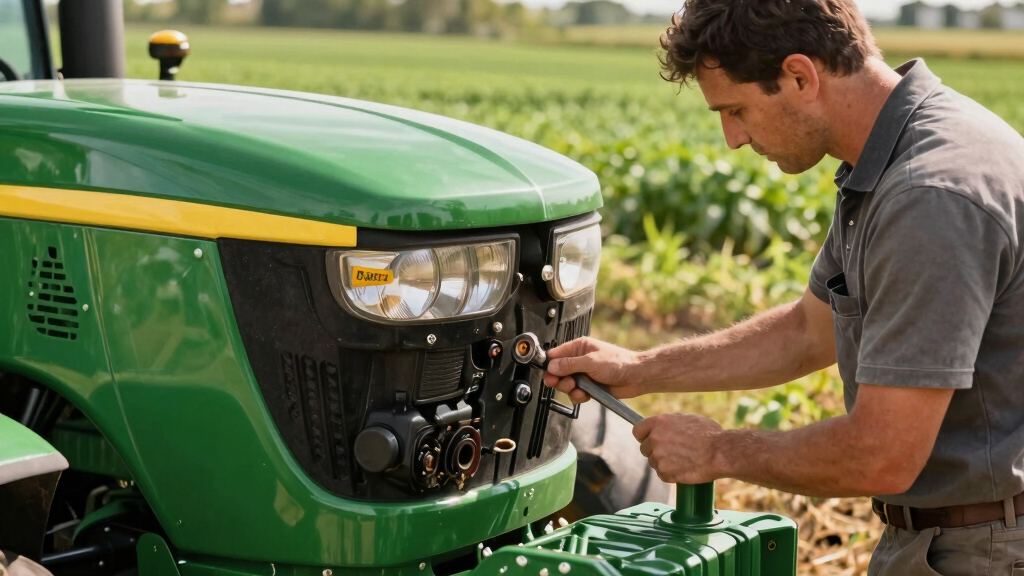
The Federal Trade Commission has reached a settlement requiring John Deere to allow owners and independent repair shops to access repair parts and tools. This move aims to expand repair rights for farmers and equipment users, ending restrictions previously imposed by the company.
The Federal Trade Commission (FTC) announced a settlement with John Deere that requires the agricultural equipment manufacturer to grant owners and independent repair shops access to repair tools, parts, and diagnostic information. This agreement marks a major shift in the company’s repair policies, which had previously restricted such access, and is expected to impact millions of farmers and equipment users across the United States.
According to the FTC, the settlement stipulates that John Deere must provide owners and third-party repair providers access to the same diagnostic tools, parts, and manuals used by authorized dealerships. This change aims to address longstanding concerns over repair restrictions that many farmers and independent mechanics argued limited their ability to fix equipment promptly and cost-effectively. The settlement follows a series of investigations and complaints from farmers and consumer advocates who accused John Deere of engaging in anti-competitive practices by restricting repair options. John Deere has agreed to implement these changes within a specified timeframe, with the company stating it will develop a new system that allows independent repair shops to access the necessary resources. The company also confirmed that it will no longer impose restrictions that prevent owners from choosing their repair providers, including third-party mechanics. The FTC emphasized that this settlement is part of broader efforts to promote fair repair rights across various industries, including agriculture and consumer electronics.Legal Victory for Farmers and Repair Rights
This settlement is significant because it shifts the landscape of equipment repair in agriculture, empowering farmers and independent mechanics to repair equipment without relying solely on authorized dealers. It addresses concerns over proprietary restrictions that have historically increased costs and downtime for equipment users. The move also sets a precedent that could influence other manufacturers to adopt more open repair policies, potentially reducing monopolistic practices and fostering competition in the repair market. For consumers, this means greater control over their equipment and potentially lower repair costs, which can be critical during busy planting or harvesting seasons.Popular right now

Samsung 48-Inch S90H OLED 4K Smart TV (2026)
Dyson Car+Boat Cordless Handheld Vacuum

Dyson Ball Animal Total Clean Upright Vacuum
As an affiliate, we earn on qualifying purchases.
Background of Repair Restrictions and FTC Investigations
For years, John Deere and other equipment manufacturers have faced criticism for restricting access to diagnostic tools and repair parts, citing intellectual property and security concerns. Farmers and independent repair shops argued that these restrictions forced them to rely on authorized dealerships, often at higher costs and longer wait times. In 2022, the FTC opened an investigation into John Deere’s repair practices following complaints from farmers and consumer rights groups. This investigation led to negotiations culminating in the recent settlement. Similar issues have arisen in other sectors, prompting a broader push for right-to-repair legislation at the state and federal levels. The settlement with John Deere is seen as a landmark case that could influence future regulatory actions and industry practices.“We are committed to providing our customers with the best service and are implementing changes to support independent repairs in accordance with the settlement.”
— John Deere spokesperson
Remaining Details About Implementation Timeline
It is not yet clear how quickly John Deere will fully implement the new repair access system or how extensive the changes will be. Details about specific tools, parts, and the process for independent repair shops to gain access are still emerging. Additionally, it remains uncertain whether other manufacturers will follow suit or face similar regulatory pressures.Next Steps for John Deere and Industry Regulation
John Deere is expected to develop and roll out the new repair access system within the next 12 months, with ongoing updates on implementation progress. The FTC will monitor compliance and may conduct follow-up reviews. Industry observers anticipate increased regulatory scrutiny of other equipment makers, potentially leading to broader reforms in repair policies across sectors. Farmers and independent repair providers will likely prepare to engage with the new system once it is operational, and advocacy groups will continue to monitor compliance and enforcement.Key Questions
What specific repair rights are being granted to John Deere owners?
Owners and independent repair shops will gain access to diagnostic tools, parts, manuals, and software necessary to repair John Deere equipment without relying solely on authorized dealerships.
When will these new repair access policies take effect?
John Deere has committed to implementing the changes within approximately 12 months, but the exact timeline for full rollout is still being finalized.
Does this settlement apply to all types of John Deere equipment?
The settlement primarily covers agricultural machinery and equipment, but the scope may expand based on the company’s implementation plans and further regulatory guidance.
Could this settlement influence other manufacturers?
Yes, the settlement sets a precedent that could encourage other equipment makers to adopt more open repair policies, especially as regulatory and legal pressures increase.
What are the potential challenges in implementing these new repair rights?
Challenges may include developing secure and user-friendly systems for independent repair access, protecting proprietary technology, and ensuring compliance across the industry.
Source: hn