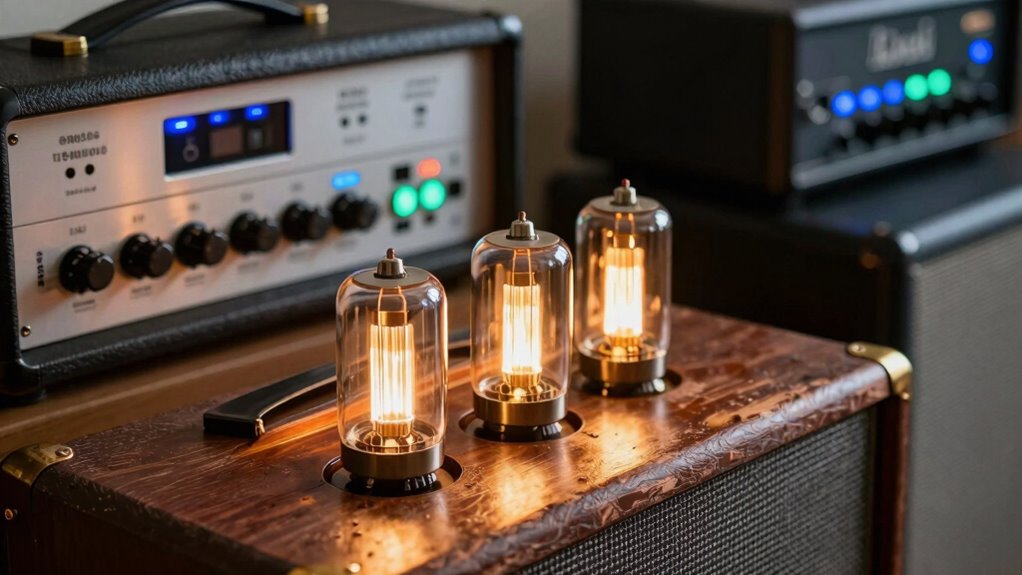

You might feel that tube amps have a unique charm and warm, organic tone that digital models can’t match, and that’s true for many musicians. However, modeling amps are often favored because they offer incredible versatility, convenience, and realistic sounds that suit modern playing styles. They’re easy to use, save settings instantly, and adapt to any genre or environment. If you’re curious why modeling amps are winning more often, keep exploring—they might surprise you.

Get business pricing on office and shipping supplies
- Business-only prices and quantity discounts
- Tax-exempt purchasing
- Multiple users, one account, clear invoices
Key Takeaways
- Modeling amps offer versatile tones and instant switching, making them more practical for diverse musical styles and live performances.
- Digital technology in modeling amps closely mimics the warm, organic feel of tube amps, reducing the gap in tonal authenticity.
- They provide consistent sound quality and reliability, minimizing maintenance issues associated with tube amps.
- Modeling amps integrate advanced effects and direct recording features, enhancing studio and live workflow efficiency.
- While tube amps evoke nostalgia and unique character, modeling amps’ flexibility and convenience often make them the smarter choice today.
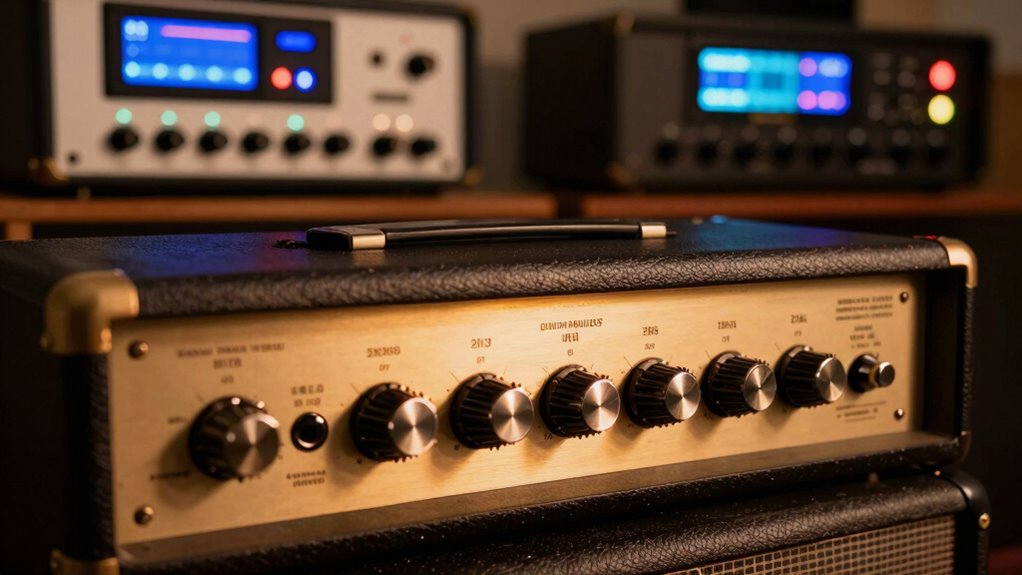
Many guitarists swear by tube amps for their warm, organic sound, but modeling amps are increasingly winning musicians over with their convenience and versatility. When you look at modeling amps, you’ll notice they often feature vintage aesthetics that evoke classic gear’s charm, giving your rig a nostalgic vibe without sacrificing modern tech. This blend of retro style and advanced functionality is appealing, especially if you appreciate the visual appeal of vintage equipment but need the practicality of a versatile amplifier. The aesthetic choices—vintage-looking tolex, retro knobs, and classic grille cloth—make your setup visually compelling and inspire that old-school vibe, whether you’re on stage or recording.
Vintage-inspired design and modern versatility unite in modeling amps, blending nostalgic looks with flexible, studio-ready tones.
Beyond looks, one of the biggest advantages of modeling amps is their tonal flexibility. You can dial in a wide range of sounds—from sparkling cleans to high-gain distortions—without swapping out tubes or pedals. This versatility means you’re not limited to a single sound profile; you can instantly shift from a jazz clean to a heavy metal crunch, all within one amp. If you’re someone who likes experimenting or performing different styles, modeling amps make this process seamless. They come loaded with multiple amp models and effects, giving you access to a broad palette of tones that would take multiple tube amps to replicate. That flexibility allows you to adapt quickly to various musical settings and styles, saving time and reducing gear clutter. The digital technology behind modeling amps enhances their ability to produce realistic and varied tones, making them a popular choice among modern players. Additionally, advancements in amp modeling technology continue to narrow the gap between modeled and traditional tube sounds, further increasing their appeal.
While tube amps offer that undeniable warmth and a certain “feel” that many describe as soulful, modeling amps often deliver a more consistent experience. You get reliable sound quality at every performance, with fewer variables like tube aging or maintenance concerns. Moreover, digital effects integrated into modeling amps can emulate complex effects chains, simplifying your setup and reducing the need for additional pedals. For gigging musicians or home studio owners, this convenience often outweighs the traditional allure of tube amps. The ability to save multiple settings, switch between tones instantly, and record directly into your DAW makes modeling amps a practical choice for many.
In the end, it’s about what you value most. If you crave that vintage aesthetic and the pure, organic tone of a tube amp, then you’re likely to stick with what feels most authentic. But if you prioritize tonal flexibility, ease of use, and a wide range of sounds, modeling amps are increasingly the smarter, more versatile option. They may lack some of the romantic charm associated with tube gear, but their adaptability and convenience often make them the better choice for today’s dynamic playing environment.
As an affiliate, we earn on qualifying purchases.
Frequently Asked Questions
How Do Modeling Amps Replicate Tube Amp Tones so Accurately?
Modeling amps replicate tube amp tones accurately by analyzing tube characteristics like compression, harmonic distortion, and response. They use digital precision to mimic these qualities, capturing the nuances that make tube amps special. Through advanced digital signal processing, modeling amps recreate the dynamic, warm sound of tubes, allowing you to achieve authentic tones with consistent reliability. This combination of understanding tube traits and digital technology makes modeling amps surprisingly effective.
Are There Specific Genres Where Tube Amps Outperform Modeling Amps?
You’ll find tube amps often outperform modeling amps in genres like blues, jazz, and classic rock, where vintage reliability and warm tones matter most. Tube amps deliver authentic sound and rich dynamics, making them ideal for expressive playing. However, modeling amps offer portability advantages, making them a practical choice for gigs and rehearsals. While tube amps excel sonically, modeling amps provide versatility and convenience across diverse musical styles.
What Is the Typical Lifespan of a Tube Compared to Digital Components?
You’ll find that tubes typically last around 1,000 to 5,000 hours—kind of like vintage durability—before needing a replacement, while digital components often outlive your playing career. Ironically, those tubes are more fragile and require care, making their lifespan seem unexpectedly short. Yet, that fleeting component longevity adds charm, making tube amps feel special, even if digital parts tend to stick around longer with less fuss.
Can Modeling Amps Emulate the Feel of Playing a Tube Amp?
Yes, modeling amps can emulate the feel of playing a tube amp, offering vintage authenticity with modern digital versatility. They capture the response and dynamics that make tube amps special, allowing you to experience a similar playing sensation. While some players prefer the physical warmth of tubes, modeling amps provide a practical, consistent alternative that closely mimics that authentic feel, making them a versatile choice for many musicians today.
How Do Maintenance Costs Compare Between Tube and Modeling Amps?
You’ll find that modeling amps generally have lower maintenance costs compared to tube amps, mainly because of a better cost comparison in repair frequency. Tube amps often need more frequent repairs due to vacuum tube replacements and delicate components, which can become costly over time. In contrast, modeling amps are more durable and require less upkeep, making them a more economical choice for consistent performance without the ongoing repair expenses.
Conclusion
So, next time you’re deciding between a tube or modeling amp, remember this: while tube amps might feel like the soulful heart of your sound, modeling amps often deliver the winning punch with versatility and convenience. Don’t let the charm blind you—sometimes, the greatest victories come from embracing innovation. After all, isn’t it worth asking if what feels special today might just be the best choice tomorrow? Choices, after all, shape your tone’s destiny.
Halloween Picks
halloween
As an affiliate, we earn on qualifying purchases.