Social platforms let side characters shine by fostering vibrant communities where fans create memes, art, and discussions. You’ll see how minor roles can gain unexpected popularity through shared theories and debates about their motivations. Engagement enhances character narratives, often leading creators to incorporate popular fan interpretations into future storylines. This feedback loop not only deepens character complexity but also elevates them to cultural icons. Keep exploring to discover more about this dynamic relationship!
Key Takeaways
- Social media fosters vibrant fan communities that celebrate and discuss side characters, enhancing their visibility and popularity.
- Fans create memes, art, and theories that explore and elevate the significance of minor roles.
- Engaging discussions on social platforms spark deeper analyses of character motivations and potential arcs.
- Creators often incorporate popular fan interpretations into storylines, enriching character development.
- Collective enthusiasm transforms side characters into cultural icons, shaping their recognition and impact in fandom.

As social media continues to evolve, you might find yourself drawn to certain platforms that cater to your interests and connect you with like-minded fans. These platforms often serve as breeding grounds for discussions about your favorite shows, movies, and books, creating a vibrant community where characters—especially side characters—gain unexpected popularity. This phenomenon highlights the profound social media influence on character development, turning what may have been minor roles into beloved fan favorites.
As social media evolves, it fosters vibrant communities that elevate side characters from minor roles to beloved fan favorites.
When you scroll through your feed, you’ll likely see memes, fan art, and discussions centering around side characters. These posts can spark conversations that elevate these characters beyond their original narratives. You might find yourself debating their motivations, backstories, or even potential arcs that could unfold in future seasons. This engagement fosters a deeper connection, allowing you to see layers of character development you might have missed initially.
Social media platforms like Twitter, Instagram, and TikTok allow fans to share theories, quotes, and personal interpretations. As you engage with these discussions, you’re not just consuming content; you’re actively shaping how these characters are perceived. For instance, a side character who initially had a few lines can become pivotal through fan theories and interpretations shared across social media. You might start to see their quirks and traits as more meaningful, leading to an appreciation that wasn’t there before.
This audience interaction doesn’t just stop at discussions. Fans often create elaborate fan fiction or art that explores these side characters in ways the original creators may not have intended. You might find yourself captivated by a storyline that dives deep into a character’s past or imagines their future, providing a richer understanding of who they are. This kind of engagement demonstrates how social media can amplify character development, making these characters’ journeys feel more impactful and relatable.
Moreover, creators are increasingly aware of this social media influence. They often pay attention to fan reactions, sometimes incorporating popular fan interpretations into future storylines. This dynamic creates a feedback loop where the audience’s enthusiasm shapes character arcs, leading to even greater depth and complexity.
In addition, the role of fandom in shaping character recognition underscores how collective enthusiasm can elevate minor characters into cultural icons. This dynamic creates a feedback loop where the audience’s enthusiasm shapes character arcs, leading to even greater depth and complexity.
In the end, social media isn’t just a platform for sharing your thoughts; it’s a powerful tool that can transform side characters into fan favorites. As you connect with others and explore these narratives, you’re participating in a cultural phenomenon that celebrates the richness of storytelling.
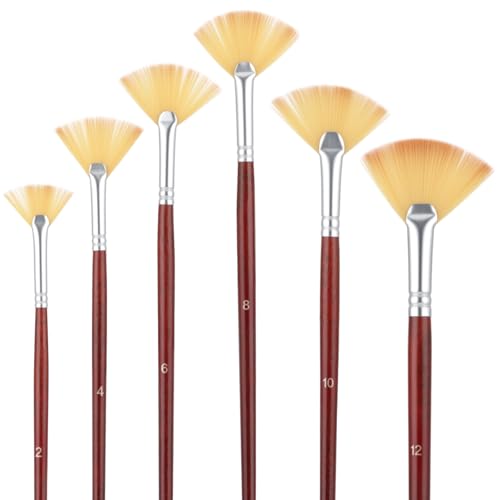
6 Pieces Fan Brush,Fan Brush for Painting,Artist Acrylic Paint Brushes Set Professional Paint Brushes with Nylon Hair DIY Craft Long Wood Handle for Acrylic Watercolor Oil Rock Gouache Painting
- Set Includes Six Fan Brushes: Different sizes for versatile painting
- Ergonomic Wooden Handles: Long, balanced, comfortable grip
- Durable Nylon Bristles: Soft, resilient, anti-shedding
As an affiliate, we earn on qualifying purchases.
As an affiliate, we earn on qualifying purchases.
Frequently Asked Questions
What Defines a Side Character in Popular Media?
A side character in popular media typically serves a specific narrative function, often embodying character archetypes that support the main storyline. They usually have less screen time but can create strong emotional connections with the audience through well-crafted development arcs. Your perception of these characters often shifts based on their interactions and growth, making them memorable despite being secondary. Sometimes, their unique traits can even steal the spotlight from the main characters.
How Do Fan Theories Influence Character Popularity?
Fan theories really boost character popularity by deepening your engagement with the story. When you and others speculate about a character’s backstory or potential arcs, it adds layers to their persona. This fan engagement fosters a community that thrives on shared ideas, making those characters feel more significant. As you immerse yourself in these theories, you discover new dimensions, transforming side characters into beloved figures that resonate with fans on a deeper level.
Can Side Characters Overshadow Main Characters?
Sure, side characters can totally overshadow main characters! It’s ironic how they often steal the spotlight in a story meant to highlight someone else. You find yourself drawn to their quirks and depth, creating fascinating character dynamics. This shift can disrupt the narrative balance, making the main character seem flat in comparison. You might even catch yourself rooting for the sidekick, wondering why they aren’t the stars of the show instead!
What Role Do Memes Play in Character Fandom?
Memes play a huge role in character fandom by amplifying meme culture, making characters more relatable. You see a funny meme featuring your favorite side character, and it goes viral, connecting you with others who share your love. The humor appeal of these memes often highlights traits you find relatable, deepening your bond with the character. As you share and engage, you contribute to a growing fandom that celebrates these underappreciated figures.
How Do Creators Respond to Fan Interest in Side Characters?
Creators often respond to fan interest in side characters like they’re crafting the next blockbuster hit! They actively engage with fans, using social media to gauge reactions and gather feedback. This interaction fuels character development, allowing creators to flesh out personalities and story arcs that resonate. By listening to you, they can transform beloved side characters into integral parts of the narrative, ensuring that every fan feels valued and connected.
Conclusion
In the end, social platforms transform side characters into fan favorites by amplifying their quirks and backstories. You see, when fans engage and share their love, these characters gain a life of their own, often overshadowing the main stars. This dynamic proves that even the smallest roles can resonate deeply, creating connections that last. So, next time you find yourself rooting for a side character, remember: it’s the power of community that brings them into the spotlight.