
📊 Full opportunity report: Keeping In Touch: AI Calls For Older Adults Living Alone on IdeaNavigator AI — validation score, market gap, and execution plan.

Get business pricing on office and shipping supplies
- Business-only prices and quantity discounts
- Tax-exempt purchasing
- Multiple users, one account, clear invoices
TL;DR
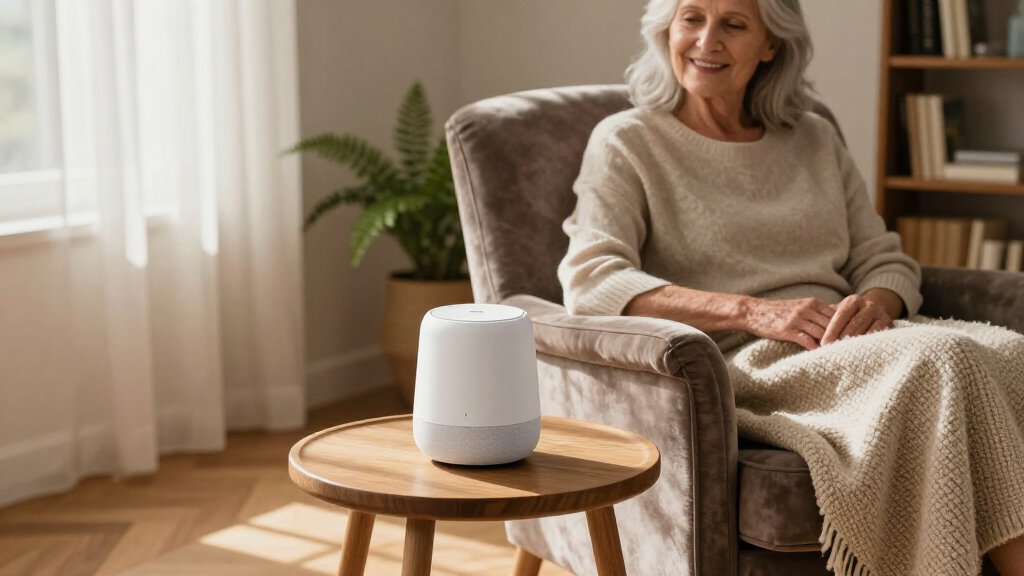
IdeaNavigator AI proposes a three-week test of scheduled AI phone calls for seniors living alone, with alerts to an adult child if a call is missed or raises concern. The plan is a product concept, not a report of a completed pilot or proven health service; call answer rates and families’ willingness to pay remain untested.
IdeaNavigator AI has proposed testing scheduled, daily AI phone calls for older adults living alone, with a text alert to a family member if a call is missed or appears concerning. The proposal targets adult children who live in another city and want a routine check-in, but it describes a product idea and validation plan, not an operating service or confirmed health outcome.
The suggested service would place a short call to a senior’s landline or mobile phone at a scheduled time. An AI voice would ask a few wellness questions, then send the adult child either a simple all-clear message or a flag if the person did not answer or the conversation raised a concern. The proposal does not specify the questions, how the system would judge a concerning response, or what action follows an alert.
IdeaNavigator AI frames the product for an independent older adult and a family member who cannot call every day. Its proposed business model is a monthly subscription paid by the adult child for each parent enrolled. The document gives no subscription price, operating cost, technical provider or evidence that families have already agreed to pay.
To test demand, the proposal suggests setting up calls for 15 senior-and-family pairs over three weeks. It identifies two measures: the proportion of calls answered and whether families consider the all-clear alerts valuable enough to pay for. No pilot results, participant recruitment details or launch timetable are provided.
A Routine Check Without Daily Calls
The idea addresses a practical gap: relatives may worry about an older parent living alone but lack the time or proximity to call every day. A scheduled call could offer a regular point of contact and notify a family member when a check-in does not happen as expected. For some households, that could make it easier to notice a disruption than relying only on informal calls.
But an automated check-in is not the same as monitoring someone’s health or guaranteeing a rapid response. A missed call could have many explanations, including a dead phone battery or a change in routine; an answered call cannot establish that a person is safe for the rest of the day. The proposal’s value will depend on whether the alerts are reliable, understandable and actionable, and whether seniors are comfortable receiving them.
The proposed short pilot would offer an initial test of use and perceived value, not proof that the service prevents harm or improves health. Its results could help determine whether the workflow merits further development, but a small, three-week trial would not by itself establish performance across different users or situations.
Popular right now

KitchenAid Artisan 5-Qt Tilt-Head Stand Mixer, Cardamom

Sony WH-1000XM6 Wireless Noise-Canceling Over-Ear Headphones, Blue, Bundle

Vitamix Propel Series 750 Professional-Grade Blender, 4 Programs, Black
As an affiliate, we earn on qualifying purchases.
How the Proposed Pilot Would Work
The concept is presented as a narrow first use of voice AI: a scheduled phone check-in rather than a broad care platform. The intended user is an older adult who lives independently, while the paying customer would be an adult child living elsewhere. That distinction matters because the person receiving calls and the person receiving alerts may have different expectations about privacy, frequency and control.
The proposal’s stated reasoning is that natural-sounding voice AI can hold a short, friendly call on a landline or mobile phone and could make routine calls affordable at scale. That is the rationale behind the concept, not independent evidence of cost, accessibility or performance. The document does not name a product, company or existing deployment.
The suggested validation exercise is limited: enroll 15 pairs, call daily for three weeks, and track answer rates and family interest in paying for alerts. It does not describe a comparison group, a method for evaluating false alarms, or how participants would handle emergencies. Those questions would matter before a trial could support stronger claims about safety or effectiveness.
Safety, Privacy and Response Gaps
No results are available for the proposed pilot, and it is unclear whether participants have been recruited or when testing might begin. The call-answer rate, the frequency of missed calls and whether families would pay remain open questions.
The proposal also leaves out operational details that would shape user trust. It does not explain how the AI would distinguish an ordinary conversation from a concerning one, how alerts would be verified, who would respond, or how quickly. It gives no information about consent, call recording, storage of personal data, language or hearing-access options, or what happens if a senior asks not to receive a call.
There is also no stated evidence that the calls would detect falls or other emergencies. The described workflow flags a missed or concerning call to a family member; it does not specify emergency-service contact or a staffed response. Until those limits are defined, the service should be understood as a proposed check-in and notification tool, not a substitute for emergency care or an in-person support plan.
Pilot Results Would Set the Direction
The next step described is a three-week test with 15 pairs, measuring whether seniors answer and whether family members value the resulting alerts enough to pay. IdeaNavigator AI does not report a start date, recruitment process or any subsequent milestone.
If a pilot proceeds, the stated measures could show whether the basic calling routine is workable. Further decisions would also depend on details not included in the proposal, such as how alerts are handled, how participants give consent and whether missed calls create too many unnecessary warnings. Until a test and its findings are reported, the concept’s reliability, affordability and demand remain unconfirmed.
Source: IdeaNavigator AI
Key Questions
Is an AI check-in service already available?
The material describes a proposed product and pilot, not a named service currently operating. It does not provide a launch date.
How would the proposed calls work?
A scheduled AI call would reach a senior by landline or mobile phone, ask a few wellness questions and send an adult child an all-clear or a flag after a missed or concerning call.
Has the service been shown to prevent emergencies?
No evidence of that is provided. The proposed test would measure call answer rates and family interest in paying, not demonstrate emergency prevention or health benefits.
What would the pilot measure?
The suggested test involves 15 senior-and-adult-child pairs over three weeks. It would track whether calls are answered and whether families find the all-clear alerts worth paying for.
Who would pay for the service?
The proposed business model is a monthly subscription paid by the adult child for each parent. No price or payment demand has been reported.
Source: IdeaNavigator AI