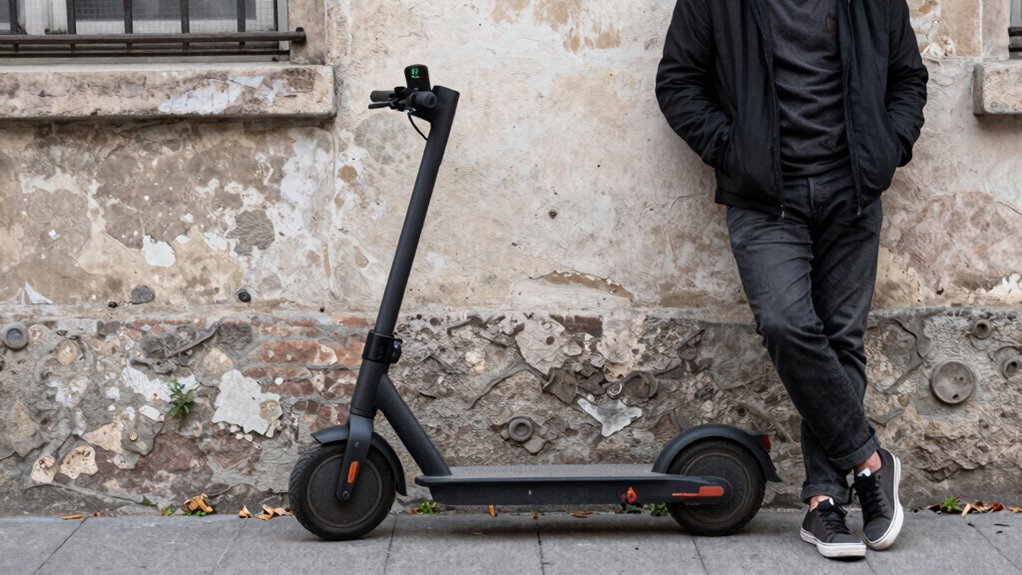

You’ll likely find that the advertised range of electric scooters often doesn’t match what you experience daily. Factors like battery wear, stop-and-go city traffic, hills, wind, and cold weather can reduce the distance you get from a full charge. Proper maintenance and cautious riding can help preserve your scooter’s range over time. If you want to understand how these elements impact your ride and how to get the most from your scooter, keep exploring these factors further.

Get business pricing on office and shipping supplies
- Business-only prices and quantity discounts
- Tax-exempt purchasing
- Multiple users, one account, clear invoices
Key Takeaways
- Manufacturer range estimates are based on ideal conditions, often overestimating real-world performance.
- Factors like traffic, terrain, weather, and riding style significantly reduce actual scooter range.
- Battery degradation over time decreases capacity, leading to shorter distances per charge.
- Proper maintenance and storage can slow battery decline and help maintain better range.
- Real-life range is typically 20-30% less than advertised due to urban riding conditions.
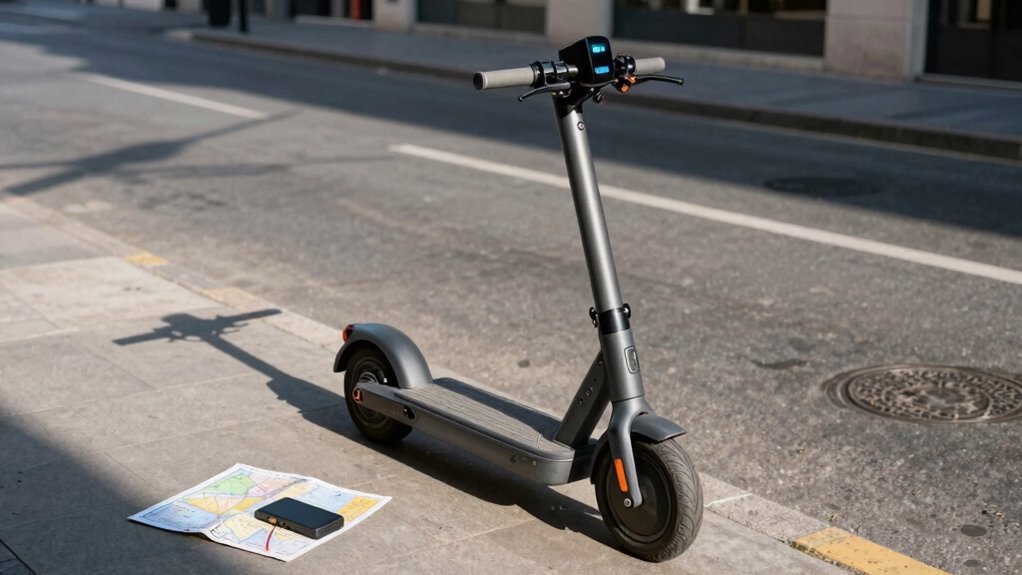
Have you ever wondered if electric scooter range claims are accurate or just marketing hype? It’s a common question, especially when you rely on your scooter for daily urban commuting. Manufacturers often advertise impressive range numbers, but in real life, those numbers rarely match up. Several factors influence how far your scooter can go on a single charge, and understanding these can help you set realistic expectations.
One major factor is battery degradation. Over time, the battery’s ability to hold a full charge diminishes, which directly impacts your scooter’s range. When new, your scooter might hit the claimed range, but after a few months or hundreds of miles, you’ll likely notice it doesn’t go as far. This isn’t because the scooter suddenly becomes less capable; it’s a natural process where the battery’s capacity slowly declines. Regular use, exposure to heat, and charging habits all accelerate battery degradation, meaning your initial range estimates become less accurate over time.
Battery capacity declines over time, reducing your scooter’s range regardless of its initial performance.
Urban commuting adds another layer of complexity. City riding isn’t like testing conditions in a lab. Stop-and-go traffic, frequent acceleration and deceleration, and navigating crowded streets all drain battery power faster than smooth, consistent riding. If you’re climbing hills or traveling against the wind, your range drops even further. Temperatures also matter—cold weather can reduce battery efficiency, making your scooter less capable of delivering its advertised range. These real-world conditions mean that the range you experience daily is often significantly lower than the manufacturer’s claims.
Manufacturers tend to base their range estimates on ideal conditions—perfect weather, fresh batteries, flat terrain, and consistent riding. They rarely account for the typical urban environment where your ride involves obstacles, traffic lights, and variable terrain. As a result, many riders find that their actual range is 20-30% less than what’s advertised, especially after a few months of regular use. Being aware of the battery capacity decline and how it affects your scooter can help you better plan your daily trips. Additionally, understanding how battery health impacts performance can motivate you to adopt better maintenance habits. Recognizing the importance of proper storage and avoiding deep discharges can also contribute to prolonging battery life. Properly caring for the battery can significantly influence the long-term performance of your scooter and its range. Moreover, staying informed about your battery’s state of charge can help prevent unexpected outages during your ride.
If you depend on your scooter for commuting, it’s wise to plan for these differences. Keep in mind that battery degradation and urban riding conditions will influence your actual range. Regularly maintaining your scooter, avoiding deep discharges, and storing the battery properly can help slow degradation and preserve your range longer. Ultimately, understanding these factors will help you make smarter choices, avoid surprises, and get the most out of your electric scooter day after day.
As an affiliate, we earn on qualifying purchases.
Frequently Asked Questions
How Do Weather Conditions Affect Scooter Range?
Weather impact can substantially affect your scooter’s range. Cold temperatures cause the battery to lose efficiency, leading to decreased range, while hot weather can strain the motor and battery. Rain or wet conditions increase resistance and risk, often forcing you to ride more cautiously or shorten your trip. Overall, weather variability makes it tough to predict your scooter’s range accurately, so always prepare for potential changes based on current conditions.
Does Rider Weight Impact Battery Life and Distance?
Your rider weight does matter; it directly impacts battery efficiency and how far you can go. The heavier you are, the more strain you put on the motor, which can shorten your scooter’s range. Think of it as carrying a load; the more weight, the harder it is to keep going. So, if you want to maximize range, keep your rider weight in check and ride smoothly.
Can Accessories Reduce the Scooter’s Effective Range?
Accessories like tire enhancements and battery upgrades can reduce your scooter’s effective range if they add weight or increase resistance. Heavier tires or extra batteries might require more power, causing the scooter to drain the battery faster. To maximize your range, choose lightweight accessories and opt for efficient upgrades. Carefully consider how each accessory impacts your scooter’s performance to guarantee you get the most out of your ride without sacrificing distance.
How Often Should the Battery Be Calibrated for Optimal Range?
You should calibrate your scooter’s battery every 3 to 6 months to maintain range consistency. Regular battery calibration helps guarantee your scooter accurately reports its charge level, preventing unexpected power loss. If you notice your range decreasing unexpectedly, it’s a good idea to perform calibration. By doing this consistently, you’ll maximize battery performance and get a more reliable estimate of your scooter’s true range, helping you plan your rides better.
Are There Specific Riding Modes to Maximize Range?
Sure, some electric scooters offer eco-friendly riding modes, but don’t expect miracles. To maximize range, choose the most efficient mode, typically labeled ‘eco’ or ‘power-saving,’ which boosts battery efficiency. Remember, your charging habits matter—avoid frequent full charges or deep discharges. By sticking to these modes and smart charging, you’ll get the most out of your scooter’s battery, making that “extra mile” less of a myth.
Conclusion
So, next time you’re eyeing an electric scooter, remember that the advertised range often isn’t what you’ll experience in real life. In fact, studies show that many riders only get about 60-70% of the claimed distance. That’s a significant gap, and it means you should plan your trips carefully. Don’t rely solely on the labels—test it out yourself and keep your expectations realistic. Stay safe and enjoy the ride!
Columbus Day / Indigenous Peoples' Day Picks
long weekend sales
As an affiliate, we earn on qualifying purchases.