
TL;DR

Get business pricing on office and shipping supplies
- Business-only prices and quantity discounts
- Tax-exempt purchasing
- Multiple users, one account, clear invoices
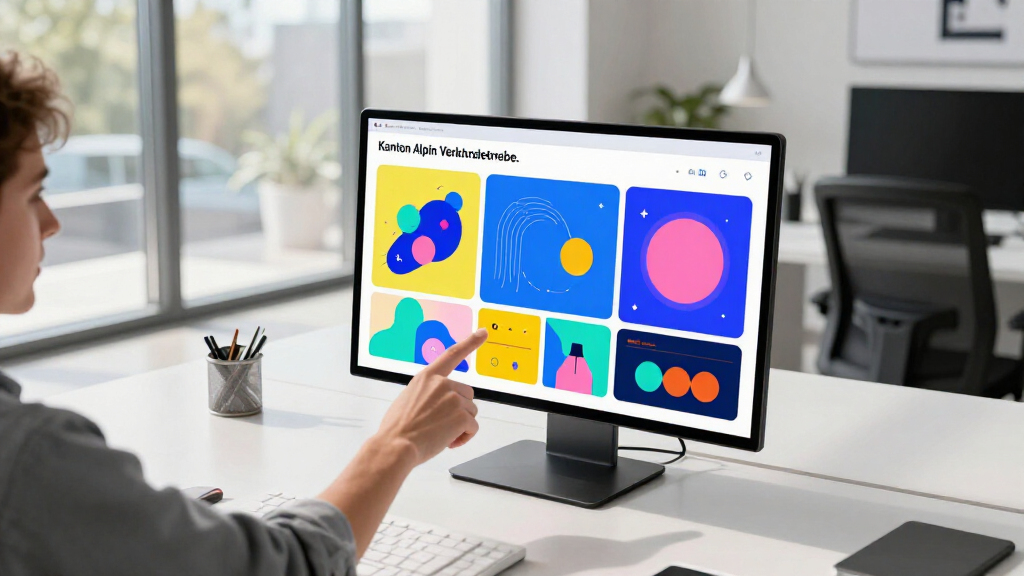
Room 23 at Kanton Alpin Verkehrsbetriebe features an AI-created, highly detailed digital replica of a Swiss alpine railway station. This project demonstrates AI’s capacity for precise, creative design using code-only tools. The development highlights AI’s role in innovative digital craftsmanship, with ongoing questions about its broader applications.
Room 23 of Kanton Alpin Verkehrsbetriebe showcases an AI-generated digital replica of a Swiss alpine railway station, emphasizing precision and minimalism. This project highlights the capabilities of artificial intelligence in creating highly detailed, code-driven visualizations that adhere to strict design principles. Its significance lies in demonstrating AI’s potential to produce complex, accurate digital environments without external assets, marking a notable development in digital craftsmanship and AI-assisted design.
The project, accessible via a live browser experience, features a meticulously crafted SVG clock that mimics Swiss railway timing, synchronized in real-time. The design employs a monochrome palette of white, black, and signal red, rooted in the Swiss International Style, with all visual elements generated through CSS, SVG, and JavaScript, avoiding external assets. The site’s structure relies on CSS grid and code-driven animations, including a split-flap departure board that updates every 20 seconds, with delays flagged in red. This entire setup was built without frameworks or external requests, emphasizing the precision and self-sufficiency of the AI-generated design.
According to Thorsten Meyer, the project exemplifies how AI can produce functional, aesthetically disciplined digital environments, pushing the boundaries of automated creative processes. The design manual and process involved multiple critique phases to ensure adherence to strict Swiss style standards, resulting in a highly polished, unforgettable digital station. The project is part of a broader collection of 175 AI-crafted websites, each exploring different themes and styles, with Room 23 standing out for its technical rigor and aesthetic fidelity.
Why AI-Generated Swiss Transit Design Matters
This project underscores AI’s capacity to generate highly precise, aesthetically disciplined digital environments that mimic real-world standards of design and timing. It demonstrates potential applications in digital architecture, transportation visualization, and automated content creation, where accuracy and aesthetic coherence are paramount. For digital artists and designers, it offers a new paradigm of code-driven creativity that can produce complex, self-sufficient visual systems without external assets, reducing dependencies and enhancing reproducibility. The project also raises questions about AI’s role in creative industries and the future of automated design processes.
As an affiliate, we earn on qualifying purchases.
The Evolution of AI in Digital Design and Swiss Aesthetics
Artificial intelligence’s role in digital design has expanded rapidly over recent years, with tools increasingly capable of producing complex visual content. This project builds on the tradition of Swiss design, renowned for its discipline, clarity, and precision, exemplified by the Swiss International Style. Previous AI applications have focused on generative art and automated layouts, but Room 23’s implementation of a fully code-driven, real-time, and highly detailed digital replica marks a new level of sophistication. The development process involved rigorous critique and adherence to strict design principles, reflecting a broader trend toward integrating AI into professional design workflows.
While still emerging, such projects illustrate AI’s potential to complement human creativity, especially in fields demanding high precision and consistency, such as transportation, architecture, and industrial design.
“This project exemplifies how AI can produce digital environments that are both aesthetically disciplined and functionally precise, pushing the boundaries of automated design.”
— Thorsten Meyer
Unanswered Questions About AI’s Creative Limitations
It is not yet clear how scalable or adaptable this AI-driven approach is for more complex or less disciplined design styles. Questions remain about the extent to which AI can autonomously produce such high-fidelity, contextually nuanced digital environments without human oversight. Additionally, the long-term implications for creative professionals and the potential for AI to replace or augment traditional craftsmanship are still being explored. The current project demonstrates proof of concept but does not address broader applicability or limitations.
Future Directions for AI in Digital Design
Further development is expected to explore how AI can assist in more dynamic or interactive environments, potentially integrating real-time data feeds or user inputs. Researchers and designers may experiment with scaling this approach to larger, more complex projects, or adapting it to other aesthetic styles. The ongoing collection of 175 AI-crafted websites will serve as a testing ground for assessing the versatility and limitations of AI-generated digital environments, with the next steps focusing on expanding complexity and interactivity.
Key Questions
How was the digital station in Room 23 created?
The station was built entirely through code—HTML, CSS, and JavaScript—without external assets, relying on SVG for visuals and real-time JavaScript for animations and synchronization.
What makes this project stand out among AI-generated designs?
Its meticulous adherence to Swiss design principles, real-time synchronization, and the use of only code-driven visuals distinguish it as a high-fidelity, disciplined example of AI craftsmanship.
Could this approach be used for real-world transportation systems?
While promising, the current project is a digital art piece and prototype; practical application in real-world systems would require extensive validation, safety considerations, and adaptation to operational needs.
What are the limitations of AI-generated design like this?
Limitations include scalability to more complex projects, the need for human oversight to ensure contextual accuracy, and potential restrictions in creative flexibility beyond strict style adherence.
Source: ThorstenMeyerAI.com
Halloween Picks
halloween
As an affiliate, we earn on qualifying purchases.