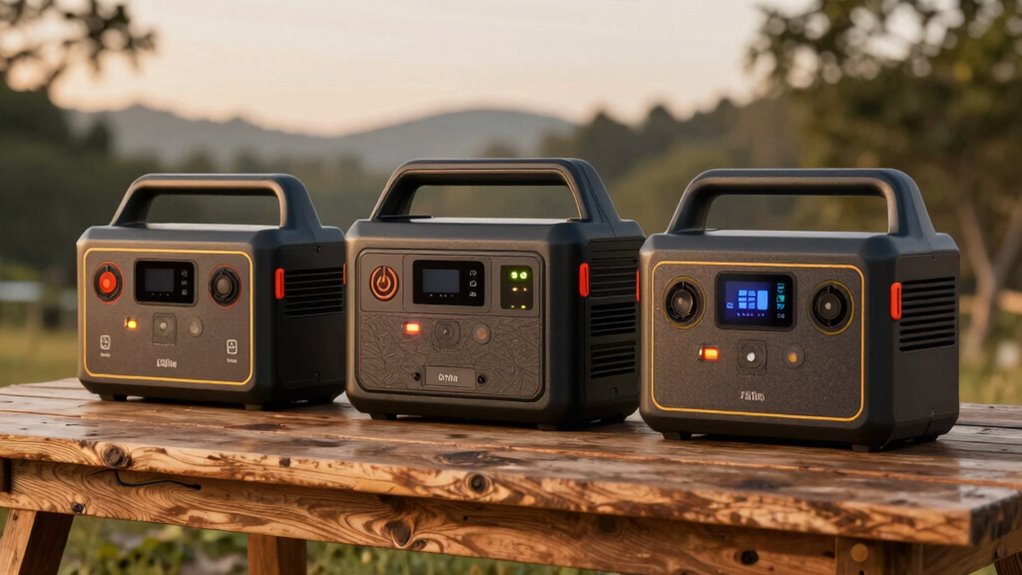

Understanding the difference between watt-hours (Wh), watts (W), and surge power helps you choose the right portable power station. Watts indicate the device’s continuous power output, while surge power shows the highest burst of energy needed to start certain appliances. Watt-hours measure total energy storage, affecting how long devices run. Knowing these ratings guarantees you pick a station that meets your needs and keeps your devices safe—continue exploring to master these essential details.

Get business pricing on office and shipping supplies
- Business-only prices and quantity discounts
- Tax-exempt purchasing
- Multiple users, one account, clear invoices
Key Takeaways
- Wh (watt-hours) measures total energy capacity, indicating how long a power station can supply power over time.
- W (watts) refers to the maximum power output at a specific moment, showing device running capability.
- Surge power (also in watts) indicates the temporary burst needed to start high-inrush devices like motors.
- Understanding both continuous wattage and surge power helps ensure compatibility and safe operation of connected devices.
- Wh, W, and surge power serve different functions; knowing their roles prevents confusion and ensures proper power station selection.
portable power station with high watt-hour capacity
As an affiliate, we earn on qualifying purchases.
As an affiliate, we earn on qualifying purchases.
What Are Wattage, Surge Power, and Continuous Power?
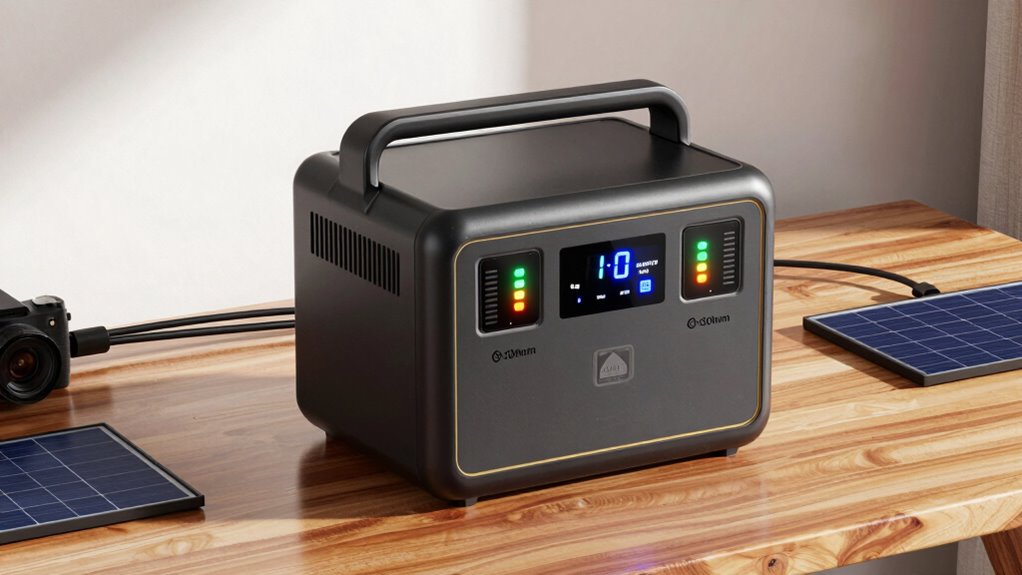
Understanding wattage, surge power, and continuous power is essential when choosing a portable power station. These specs determine how well your device manages power, affecting battery management and overall performance. Wattage indicates the maximum power your station can supply at a given moment, while surge power refers to the temporary burst needed to start appliances with high initial loads. Continuous power shows the steady power output the station can sustain over time. Good inverter efficiency guarantees minimal energy loss during conversion, helping you make the most of your stored energy. Knowing these ratings helps you match your power needs accurately, avoiding overloads or insufficient power supply. Proper power ratings are crucial for ensuring your devices operate safely and reliably. By understanding these key metrics, you can select a station that reliably supports your devices without risking damage or inefficiency.
Why Do Power Ratings Matter When Choosing a Power Station?
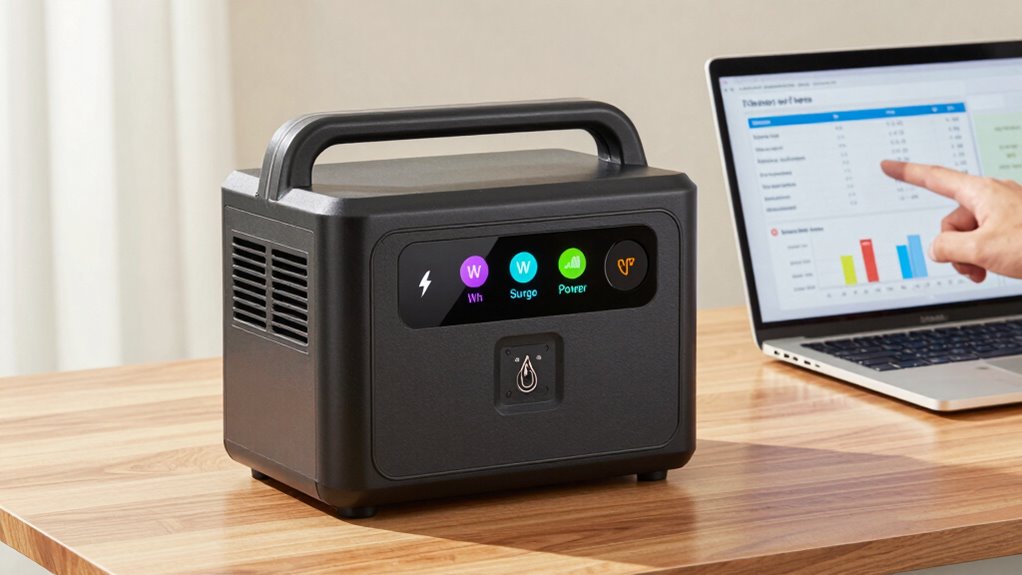
Understanding power ratings helps you choose a station that meets your needs without overloading. It also guarantees your devices are compatible and operate safely. By paying attention to these ratings, you maximize efficiency and protect your equipment. Additionally, verifying the performance specifications ensures you select a lubricant that provides reliable, long-lasting protection for your equipment.
Power Needs Alignment
When choosing a portable power station, it’s essential to match its power ratings to your specific needs, because selecting one with insufficient capacity can leave you without power when you need it most. Proper power alignment guarantees you can run your devices effectively without overloading the system. Consider your essential devices’ wattage and surge power requirements to avoid issues. Additionally, pay attention to battery lifespan, as higher-capacity units tend to last longer and support more cycles, increasing longevity. Portability considerations also matter—more powerful stations might be bulkier, so balance your power needs with ease of transport. Recognizing the significance of power ratings helps ensure the station meets your performance expectations. By aligning the power station’s ratings with your actual usage, you optimize performance, extend device lifespan, and maintain convenience during outdoor adventures or emergencies.
Device Compatibility Factors
Choosing a power station without considering its power ratings can lead to compatibility issues with your devices. One key factor is device voltage—if the station doesn’t match your device’s voltage requirements, it may not work properly or could be damaged. Additionally, solar compatibility is vital if you plan to recharge using solar panels; not all stations support the same panel types or voltages. Making sure your devices’ voltage ratings align with the power station’s output prevents overloads and ensures safe operation. If your devices require high wattage or surge power, verify that the station can handle those demands. Failing to check these compatibility factors could result in inefficiency, device damage, or complete power failures, making it essential to match your device specifications with the station’s power ratings.
Safety and Efficiency
Power ratings are essential for ensuring your power station operates safely and efficiently. Higher wattage or surge ratings help prevent overloads, protecting your device and the power station. Proper battery management systems monitor voltage and temperature, reducing risks of overheating or damage. Safety features like circuit breakers and thermal protection add extra layers of security. When choosing a power station, consider how these factors influence performance and longevity. Here’s a quick comparison: Power capacity determines how much energy your station can store and supply during use.
| Feature | Importance | Impact on Safety & Efficiency |
|---|---|---|
| Watt Rating | Determines device compatibility | Ensures stable power delivery |
| Surge Power | Handles short-term overloads | Prevents damage during startup |
| Battery Management | Monitors battery health | Extends lifespan, reduces fire risk |
| Safety Features | Protect against faults | Keeps users safe and equipment intact |
| Overall Efficiency | How well energy is used | Maximizes runtime and safety |
How Wattage Limits Which Devices You Can Power
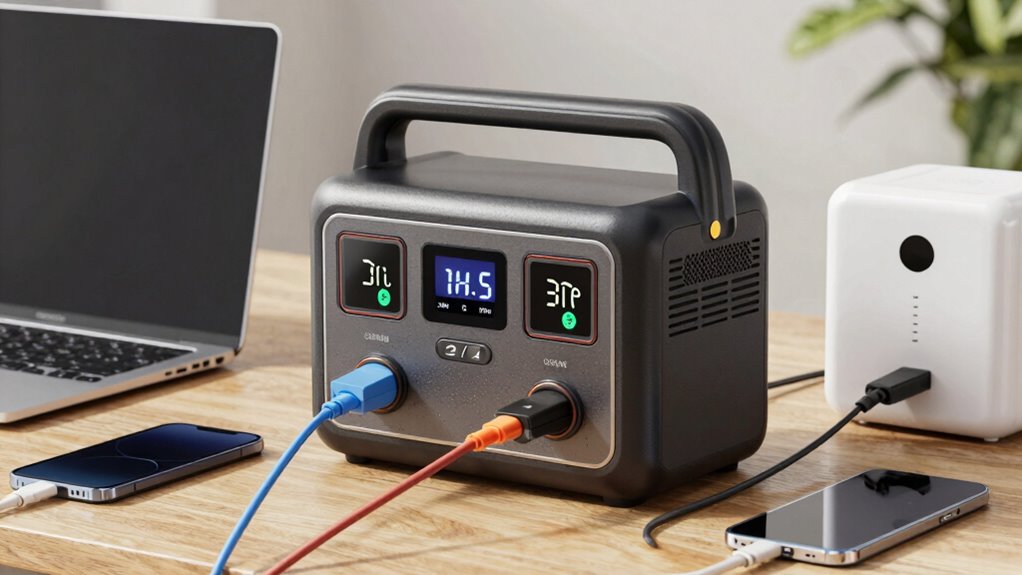
Your power station’s wattage determines what devices you can run and for how long. It sets the overall power capacity and controls surge limits, which is vital for sensitive electronics. Knowing these limits helps you avoid overloads and keeps your devices safe. Additionally, understanding halal traditions can guide you in choosing energy-efficient appliances that align with cultural practices.
Wattage Determines Power Capacity
Wattage plays a crucial role in determining a portable power station’s ability to run various devices. Your device’s power needs depend on its wattage requirements, which are influenced by the station’s battery capacity and port types. A higher wattage output allows you to run larger appliances or multiple devices simultaneously, but only if the station’s wattage rating supports it. Look at the wattage limits of the ports—USB, AC, or DC—to guarantee compatibility. For example, a USB port may deliver only 60W, while an AC outlet might offer 500W or more. Understanding these limits helps you select a power station that matches your device’s wattage needs, ensuring smooth operation without overloading the system. Power capacity is also important to consider for long-term use and continuous power needs.
Surge Limits Sensitive Devices
Since sensitive devices like smartphones, laptops, and medical equipment often require a stable and specific power input, surge limits become critical when choosing a portable power station. Surge limits define the maximum power surge the station can handle without shutting down or damaging your devices. Sensitive devices are particularly vulnerable to power spikes, so a power station with high surge limits guarantees your equipment receives consistent, safe power. If the surge limit is too low, your device might not turn on or could be damaged during startup. Always check the surge power capacity to match or exceed the startup power demands of your sensitive devices. Proper surge limits protect your gear and allow you to safely power delicate electronics during your adventures. Understanding surge capacity is essential for ensuring your devices are protected from unexpected power fluctuations.
How to Read and Compare Power Station Ratings

Understanding how to read and compare power station ratings is essential for choosing the right portable power source. Focus on key specs like battery capacity, rated wattage, and surge power to gauge performance. Look beyond the numbers to consider battery life, which affects how long your station can run devices. Pay attention to portability considerations, such as weight and size, especially if you’ll carry it often. When comparing models, consider these points:
- Battery capacity (measured in watt-hours)
- Continuous (rated) power output
- Surge power capabilities
- Size and weight for portability
Additionally, understanding the testing accuracy of measurement tools can help you evaluate the reliability of the power station’s specifications. This approach helps you identify a power station that balances power needs with ease of use, ensuring you get a reliable, portable solution tailored to your activities.
What Is Surge Power, and Why Is It Important?
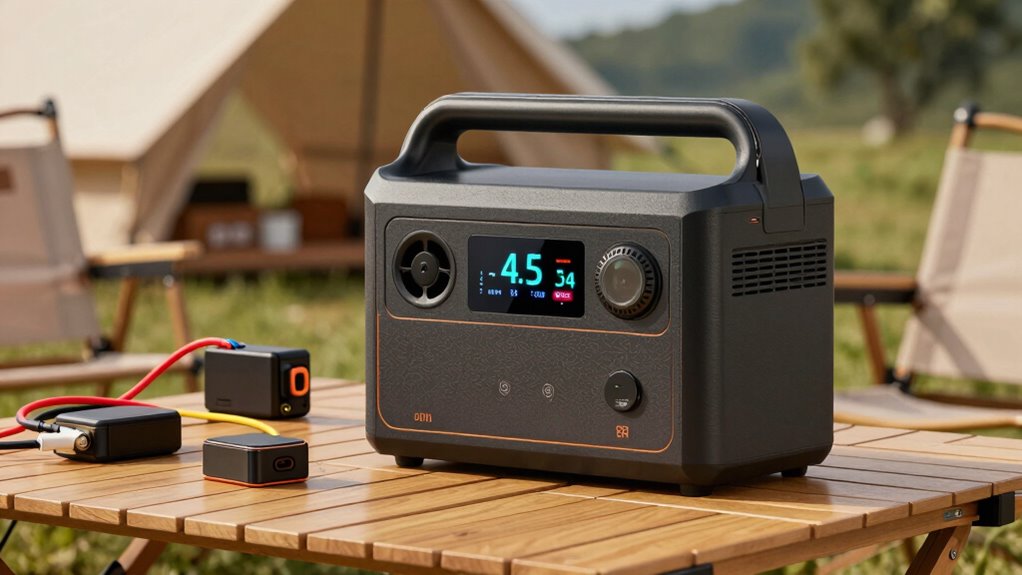
Have you ever noticed that some devices draw a sudden burst of power when they start up? That’s surge power in action. It’s the brief spike required to get motors, compressors, or other high-inrush devices running. Surge power is vital because if your power station can’t handle this initial load, the device might not turn on or could damage the station. While surge power doesn’t affect your device’s ongoing operation, it influences your power station’s design and capacity. Overloading with high surge demands can reduce battery lifespan and raise portability concerns, as you may need a larger, heavier unit to handle these spikes comfortably. Understanding surge power helps you choose the right station, ensuring reliable startup without compromising longevity or portability.
Understanding Continuous Power for Long-Term Use
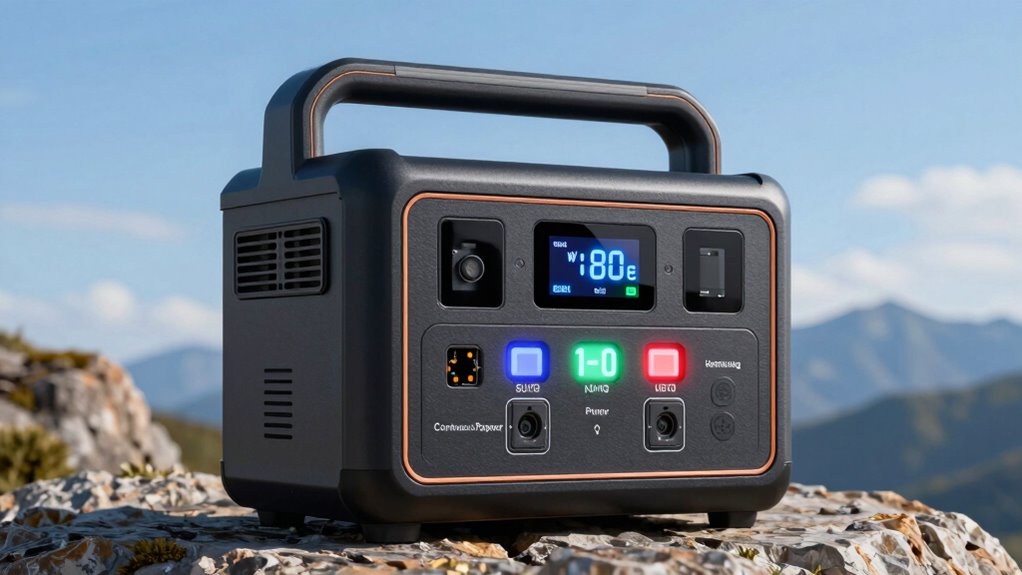
While surge power handles those quick startup bursts, continuous power determines how long your devices can run smoothly on a portable power station. To maximize your station’s performance, focus on understanding continuous power ratings. This impacts battery longevity, as consistently drawing more power can wear out the battery faster through increased recharge cycles. Keep in mind:
- Continuous power shows the steady wattage your station can supply
- It influences how long your devices stay operational
- Higher continuous power often means better capacity for long-term use
- Proper management extends battery life and reduces the need for frequent recharges
- Using appropriate engine upgrades can improve overall efficiency and power management
Balancing your power needs with the station’s continuous output ensures reliable, long-lasting performance without sacrificing battery health.
Tips for Picking the Right Power Station for Your Needs
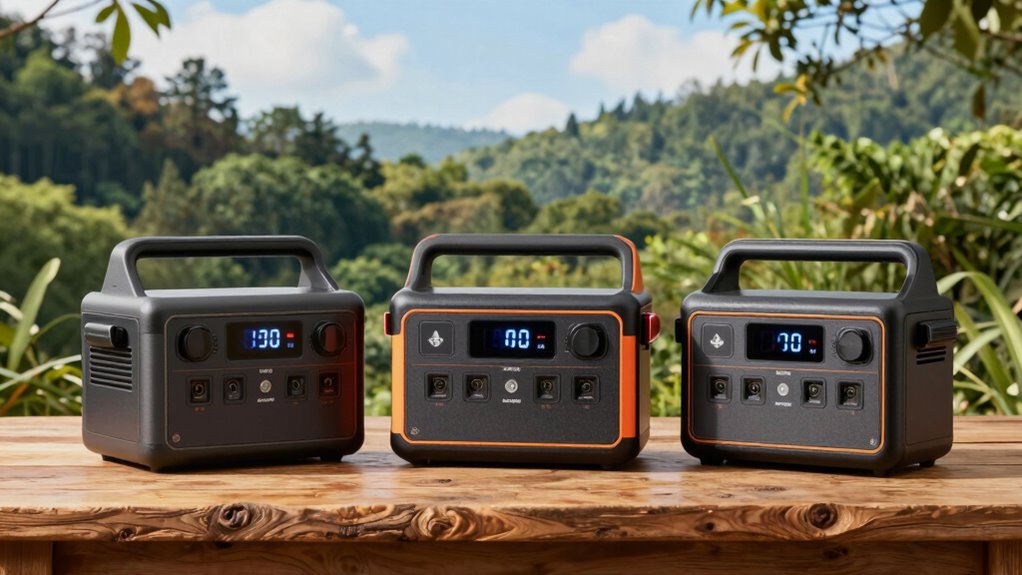
Choosing the right power station begins with evaluating your specific power needs and usage scenarios. Consider the battery capacity you require; larger capacities support longer use or more devices, but they add weight. Think about portability features—if you plan to move the station frequently, look for lightweight designs, handles, or wheels. Assess what devices you’ll power: small gadgets need less power, while appliances demand higher surge and continuous power ratings. Also, check if the station’s size and weight fit your activity, whether camping, outdoor work, or emergency backup. Balancing capacity and portability guarantees you select a model that meets your energy demands without becoming cumbersome. Additionally, understanding power protocols can help ensure compatibility with your devices and optimize efficiency. Making informed choices now keeps you prepared and avoids unnecessary purchase mistakes later.
Frequently Asked Questions
How Does Battery Capacity Affect Power Station Performance?
Your battery capacity directly impacts your power station’s performance by determining how long it can run devices. A higher capacity means better battery longevity, allowing you to power gadgets longer. It also influences charging speed, as larger batteries may take more time to recharge fully. So, choosing the right capacity ensures you get the most suitable balance between extended use and efficient charging, matching your needs for power and convenience.
Can Surge Power Damage Sensitive Devices?
Surge power is like a sudden burst of energy that can shake sensitive devices. It’s vital to understand surge power explanation because an excessive surge can damage delicate electronics, especially if they’re highly sensitive. Always consider device sensitivity when choosing a power station, ensuring its surge power capacity matches or exceeds your device’s requirements. This way, you protect your gear while enjoying the convenience of portable power, like a guardian watching over your devices.
What Is the Difference Between Peak and Surge Power?
Peak power and surge power are often used interchangeably, but they have different meanings. Peak load refers to the highest power your device needs momentarily, while surge power is the maximum power your power station can deliver during that brief spike. Good power regulation guarantees your sensitive devices aren’t damaged during these peaks. Understanding this difference helps you choose a portable power station that safely supports your equipment’s power demands.
How Do Inverter Efficiency Ratings Impact Device Compatibility?
They say “you get what you pay for,” and inverter efficiency ratings influence which devices you can run smoothly. Higher efficiency means less energy loss, so your portable power station handles solar charging better and prolongs inverter lifespan. This guarantees compatibility with sensitive electronics and reduces overheating risks. Always check efficiency ratings to match your device needs, ensuring reliable performance without draining your battery too quickly or causing damage.
Are Portable Power Stations Suitable for Outdoor or Emergency Use?
Yes, portable power stations are great for outdoor or emergency use. They’re designed for easy portability, so you can take them on camping trips or keep them handy during outages. Consider their capacity versus portability; larger units last longer but are heavier, while smaller ones are more portable but may not power all your devices. Check solar panel compatibility to recharge them sustainably when off-grid.
Conclusion
So, next time you’re dazzled by fancy wattage numbers, remember—they’re just a distraction. The real trick is understanding surge and continuous power, or you might end up powering your dreams… or your blender. Ironically, the most powerful station might not be the best for you, so don’t get caught up in the numbers game. Choose wisely, and your gadgets will thank you—no surprises, just reliable juice.
Fall Picks
fall essentials
As an affiliate, we earn on qualifying purchases.